9 Vegetables That Benefit From Growing Near Cilantro
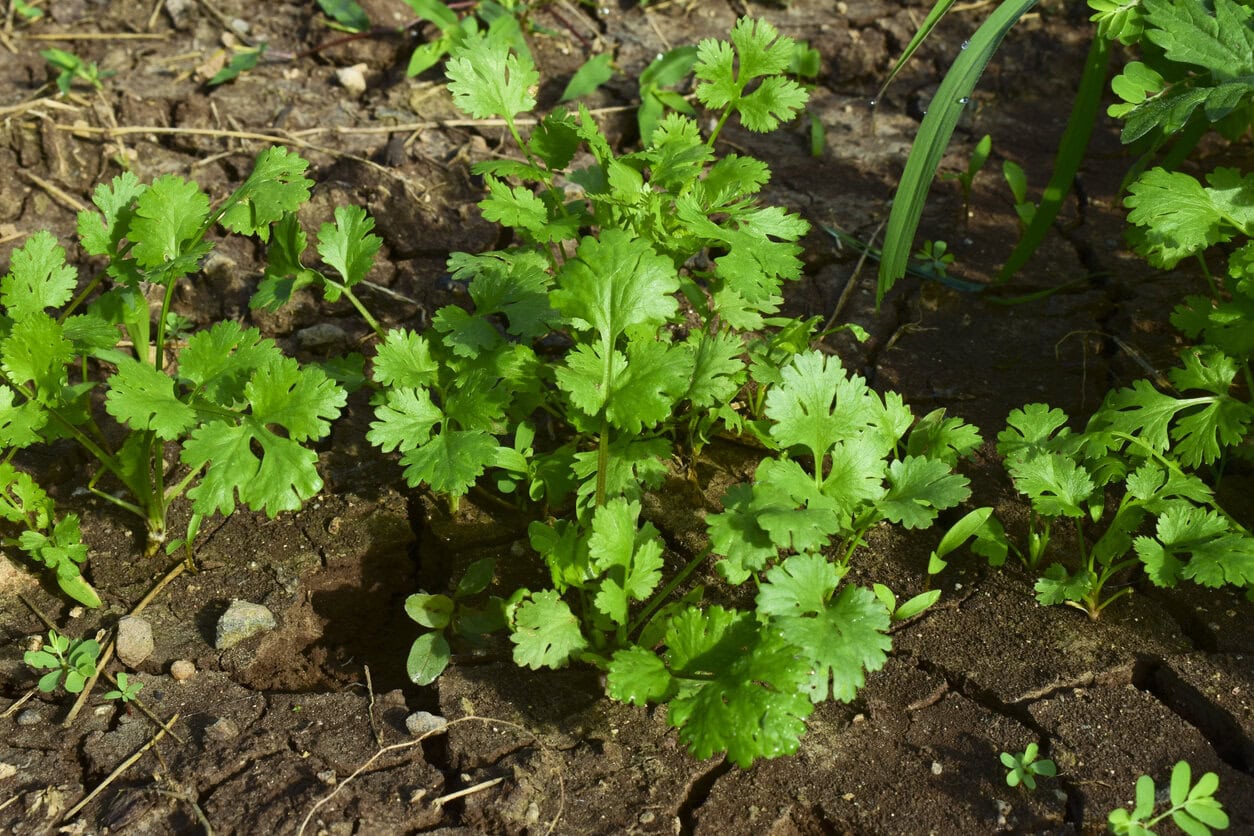
Cilantro remains the most polarizing figure in your fridge, second only to an expired yogurt everyone keeps pretending not to see. Some people love it, others swear it tastes like soap (and those people are wrong, but I digress).
But in the garden, even its biggest critics tend to change their tune. I’ve noticed that cilantro does more than just flavor meals! It quietly pulls its weight as a helpful companion plant, supporting nearby vegetables in ways that actually make a difference.
9 Vegetables That Grow Better With Cilantro Nearby
Most vegetables spend their lives terrified of a stray aphid, but I’ve noticed that these nine are relishing every leafy moment under cilantro’s protection.
1: Tomatoes (USDA Zones 3-11)
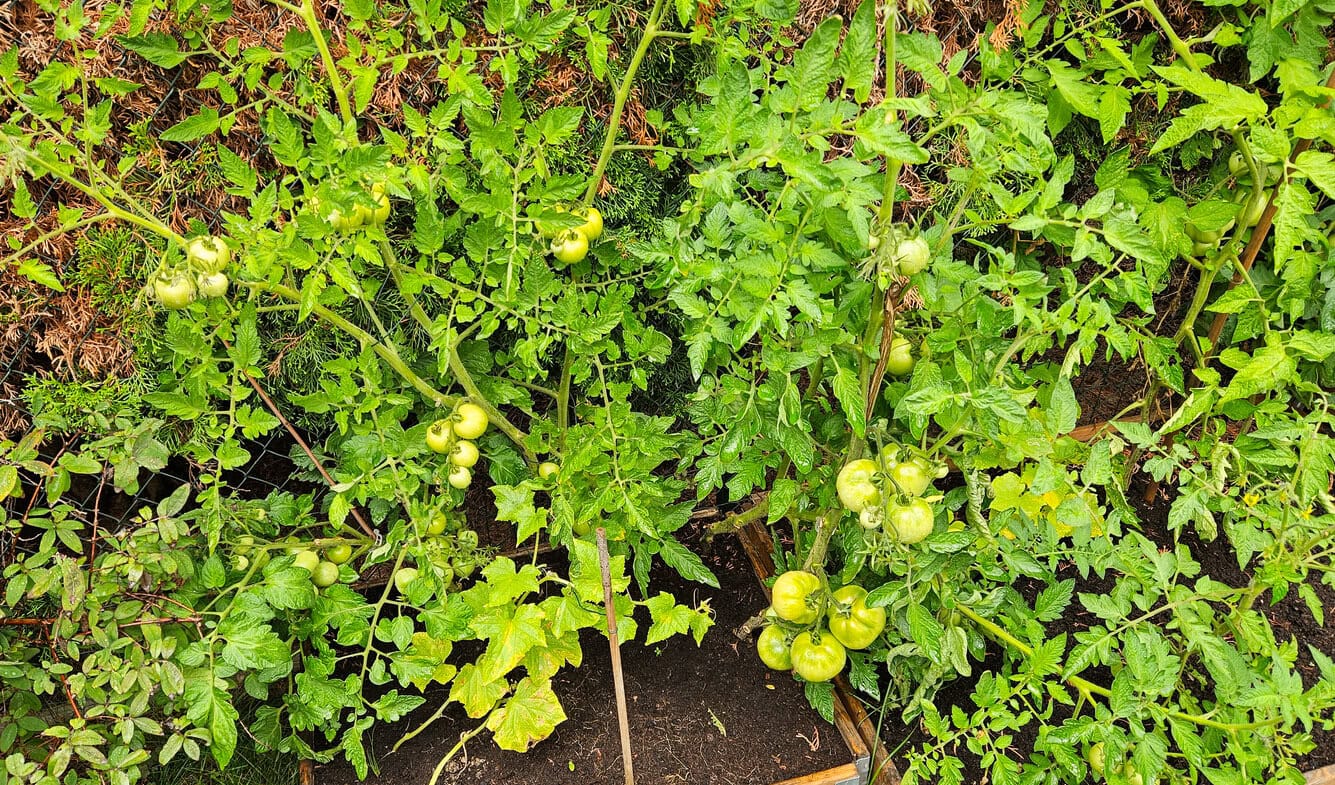
Tomatoes and cilantro make a surprisingly good pair. Planting cilantro near tomato plants can help confuse pests like aphids, thanks to its strong scent. It won’t stop every bug, but it makes a huge difference!
As tomatoes grow tall, their vines offer a cool shade for the herb, which helps keep cilantro from bolting too fast in mid-summer. Just make sure you prune the lower tomato leaves so air can circulate freely. A humid environment will only turn your garden into a real sauce of frustration.
Quick tip: I like to plant cilantro along the outer edge of my tomato bed and let a few plants flower. It gives me fresh leaves early on and brings in beneficial insects later in the season.
If you’re already thinking about what else tomatoes like growing next to, we explain that in detail in our article about companion plants for tomatoes.
2: Spinach (USDA Zones 2-10)

Jst like cilantro, spinach requires consistent moisture, so they make easy, low-maintenance roommates. Cilantro serves has a shield and helps reduce leaf miners, which is a common problem with leafy greens.
The herb’s pungent scent seems to confuse pests enough to keep spinach leaves in better shape. Harvest the outer leaves first to keep the plant productive throughout the spring.
Quick tip: I like to tuck cilantro between spinach rows early in the season, then harvest it before the spinach starts to crowd.
We actually wrote a full breakdown on what to plant with spinach and what to keep far away, if you want to avoid common mistakes.
3: Jalapeños (USDA Zones 4-11)
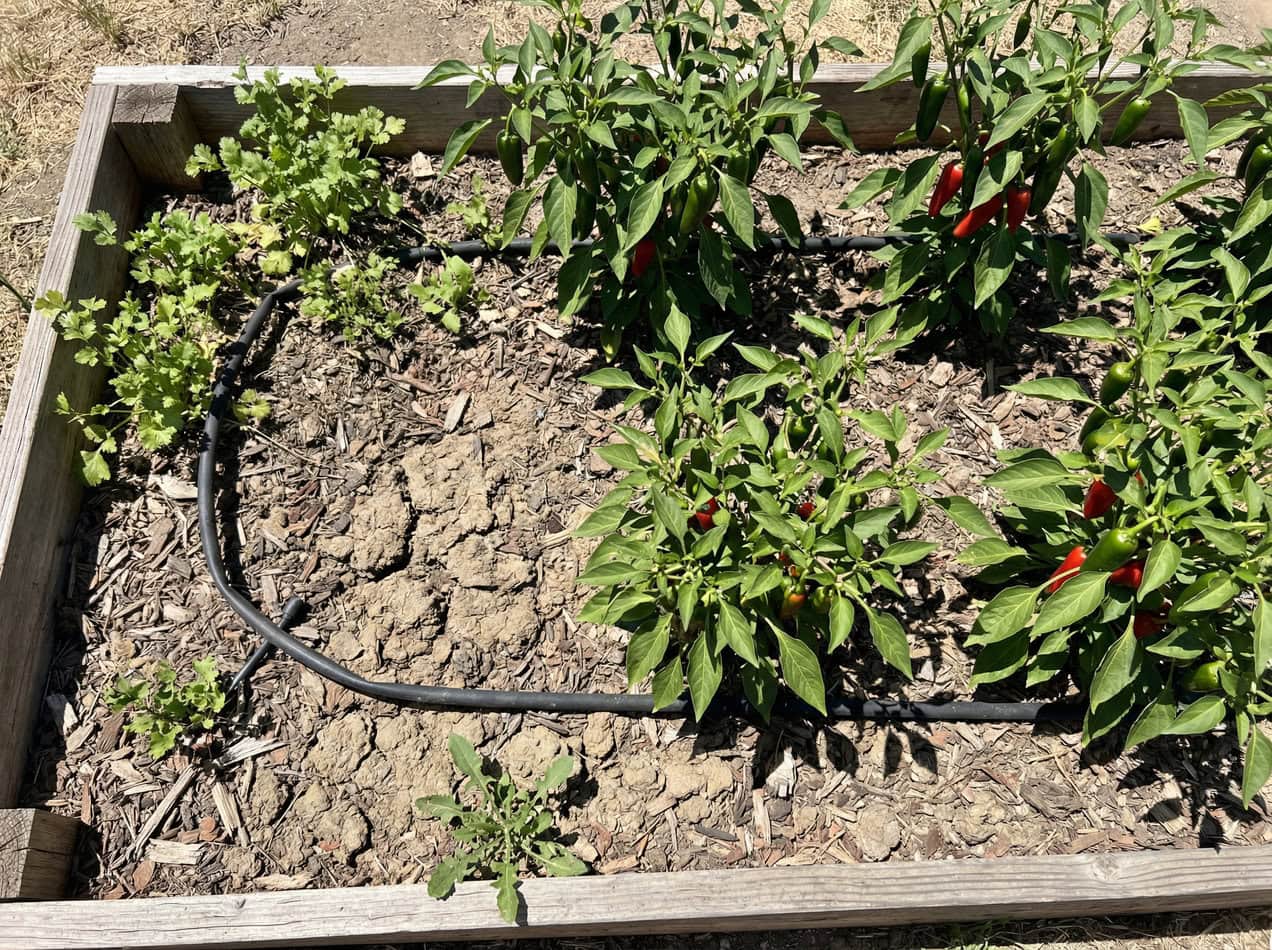
Jalapeños and cilantro should live together for reasons that go way beyond your Friday taco night. Cilantro stays low and creates a thick carpet of green that shades the soil, which keeps moisture in and reduces how often you need to water.
Sturdy pepper stalks are a light natural windbreak, yet you should leave enough breathing room between them. Otherwise, you may end up dealing with gray mold during humid weather.
Quick tip: I plant cilantro on the south side of my pepper plants so it gets some shade without blocking airflow.
4: Beans (USDA Zones 3-10)

Beans help enrich the soil with nitrogen, fueling the lush and green growth cilantro needs to produce a huge harvest. Cilantro strong scent also helps discourage some bean pests, making it a useful companion in mixed plantings.
Plant them both in a roomy sunny spot and give the beans sturdy support to climb. Or resign to a has-bean garden.
Quick tip: I like planting bush beans with cilantro since they’re easier to manage and don’t overwhelm the herb.
If you want to take this further, we wrote an article about companion plants for beans that help increase yields and keep plants healthier throughout the season.
5: Onions (USDA Zones 3-9)
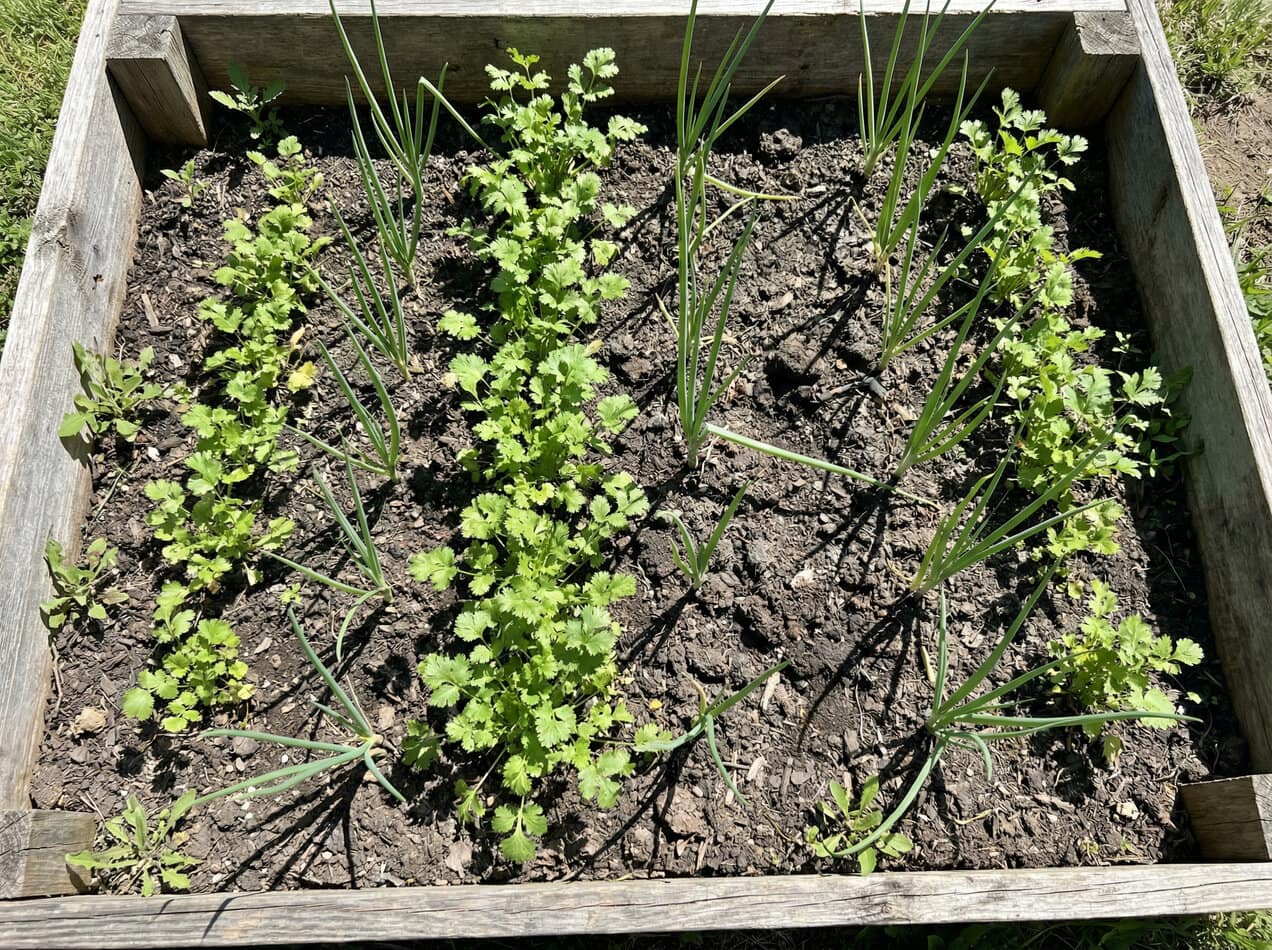
Onions and cilantro build a scent-based wall that basically tells every pest in the area to get lost. Their roots grow at different depths, so they don’t compete much for space or nutrients.
Plant them in alternating rows to create a confusing maze, making it harder for pests like carrot flies to zero in on a single crop. Just keep them close enough to overlap their aromas. If you plant them too far apart, you’re just setting up a fast food chive-thru for local bugs.
Quick tip: I’ve had the best results keeping onions and cilantro about 6-8 inches apart so their scent actually mixes.
If you’re planning a mixed bed, we explain which plants actually grow well with onions and which ones tend to cause problems in another article.
6: Peas (USDA Zones 2-9)
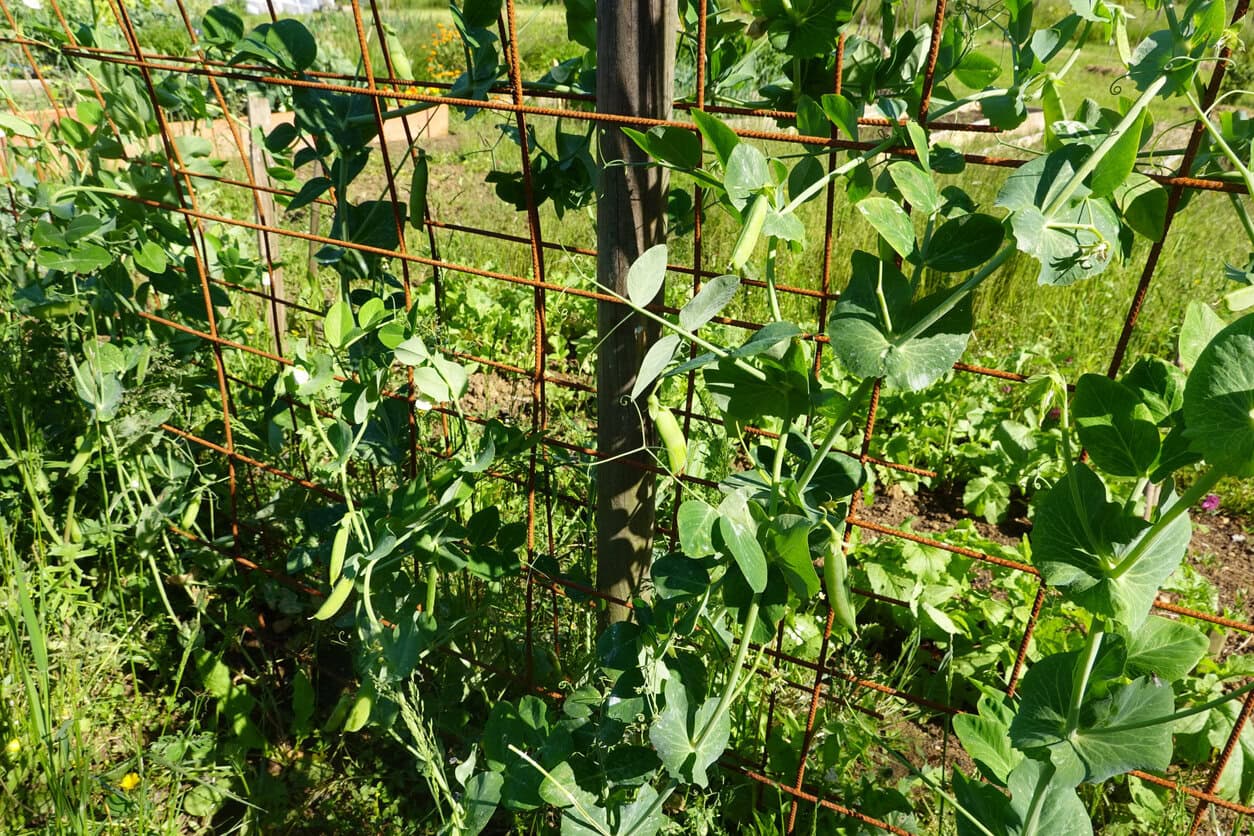
Peas and cilantro both share a love for the chilly spring breeze, making them an easy pairing early in the season. Peas help enrich the soil with nitrogen, supporting cilantro’s massive and steady leaf production.
As a favor, cilantro shades the soil, helping keep pea roots cool. Water at the base of the plants rather than over the leaves to reduce the risk of powdery mildew. No need to be slo-pea about it.
Quick tip: I like to sow cilantro just after peas sprout so it fills in without competing too early.
We also wrote a full article about companion plants for peas, especially if you’re growing them early in the season alongside other cool-weather crops.
7: Eggplant (USDA Zones 5-11)
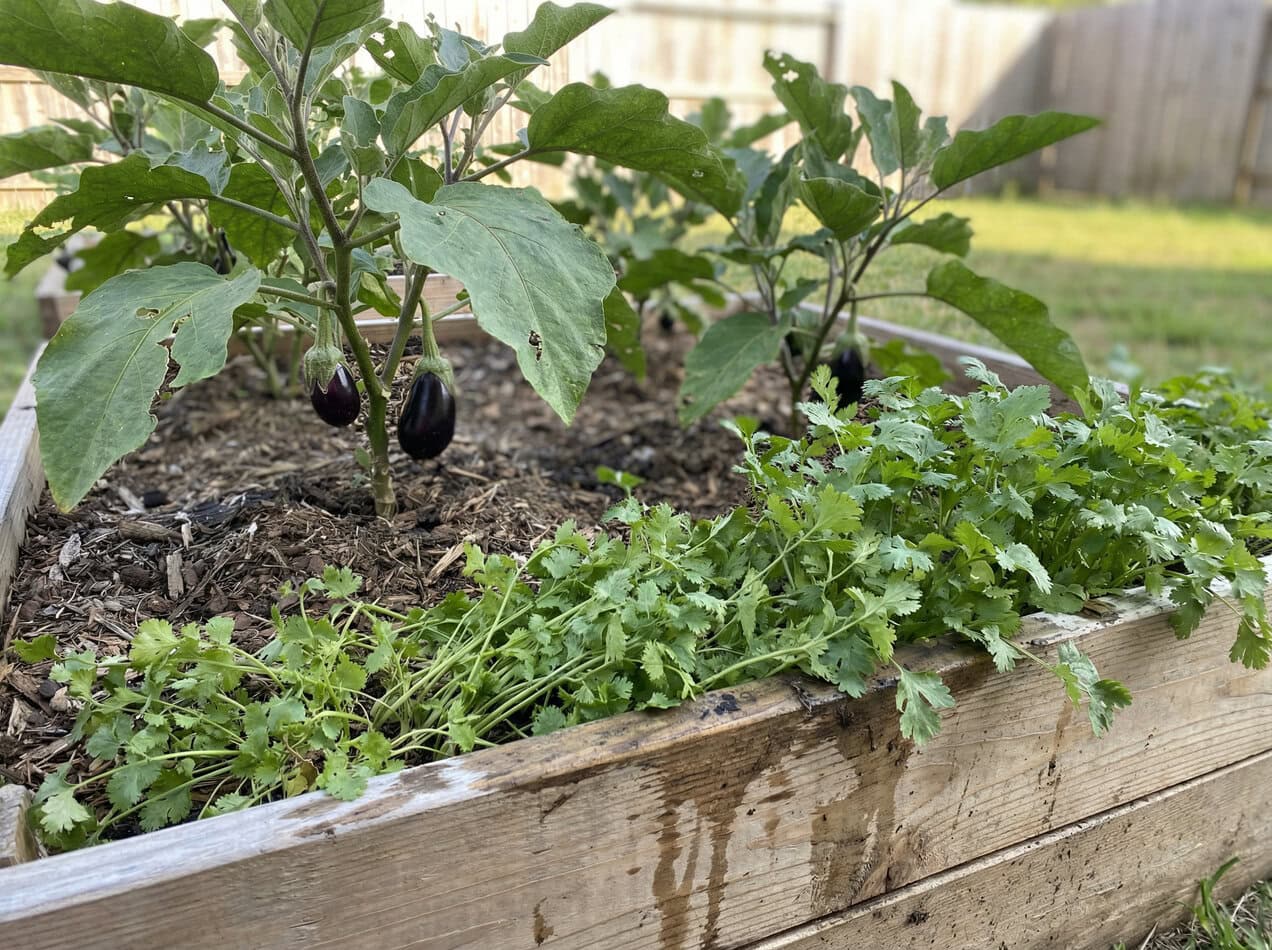
Flea beetles find eggplant irresistible but hate the smell of cilantro. While it’s not foolproof, I’ve noticed fewer beetle issues when the two are planted together.
Always get your cilantro established first so the “stink” is already working before the eggplants start inviting every beetle in the county.
Quick tip: I plant cilantro a week or two before setting out eggplant seedlings to give it a head start.
8: Asparagus (USDA Zones 3-9)
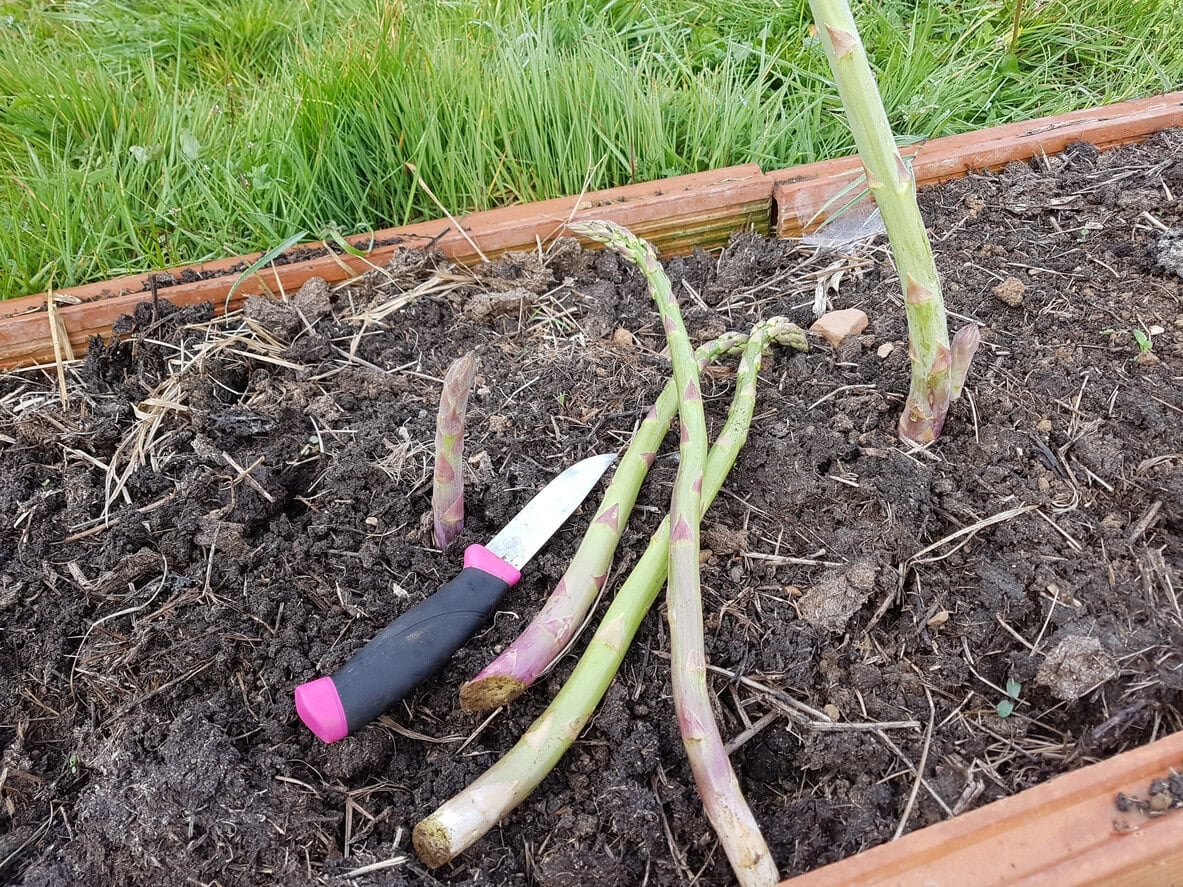
When cilantro is allowed to flower, it attracts beneficial insects like ladybugs that feed on asparagus beetle larvae. I’ve found this especially helpful once asparagus spears start emerging in spring.
Since asparagus is a long-term crop, planting cilantro nearby each year adds a reliable layer of defense against invasive crawlers, without disturbing established roots.
Quick tip: I let a few cilantro plants fully flower near my asparagus patch instead of harvesting them all.
9: Potatoes (USDA Zones 3-10)
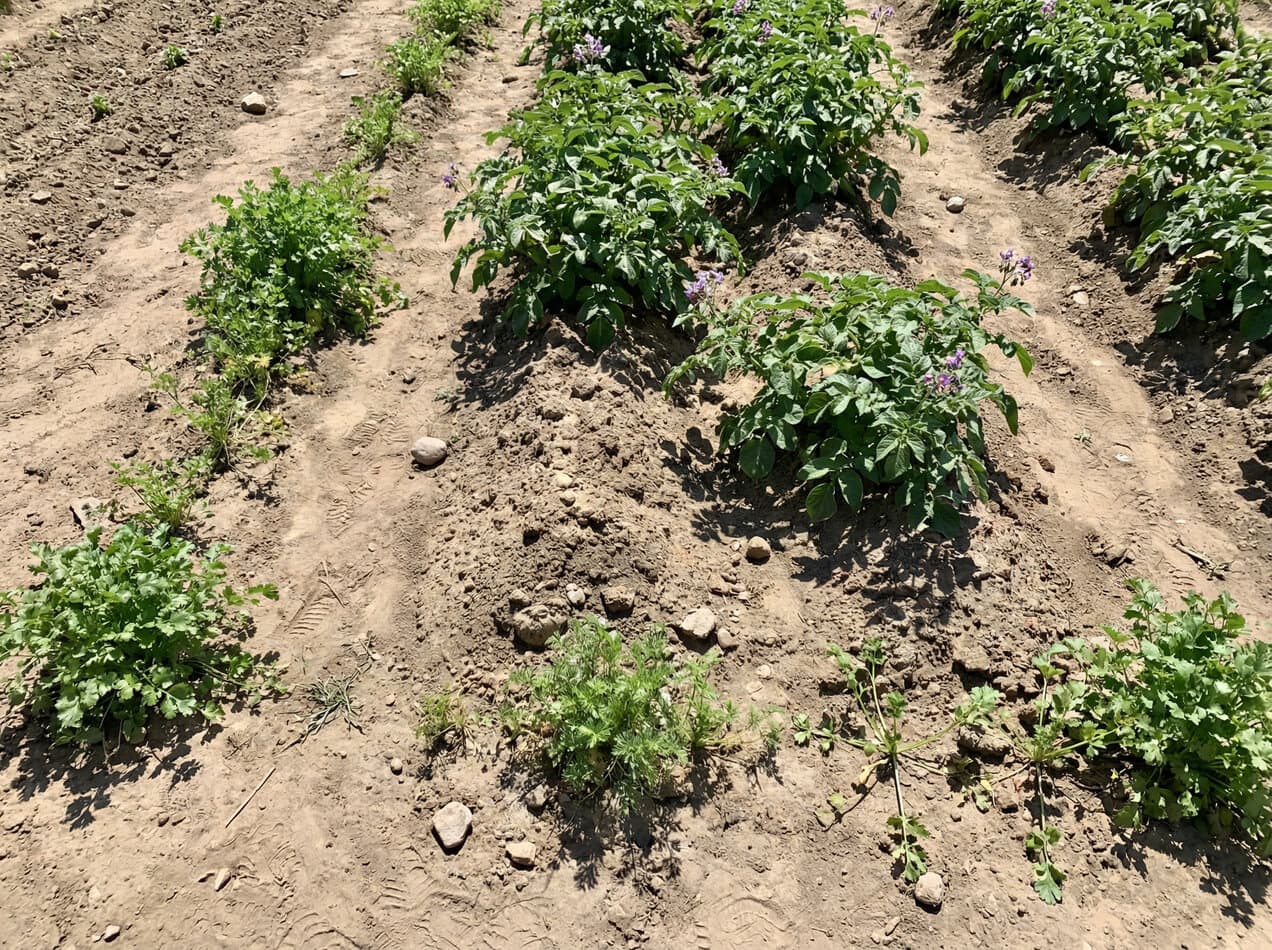
Potatoes claim the underground while cilantro keeps its shallow roots out of the way, making this a good space-saving pairing. Cilantro’s strong scent can help discourage Colorado potato beetles before they ruin your future baked delight.
Once the harvest hits the kitchen, skip the boring butter for a cilantro-curry yogurt dip to keep things a-peel-ing.
Quick tip: I plant cilantro along the edges of potato rows so it doesn’t get shaded out as the plants grow.
Don’t Let It Bolt Under Pressure
Cilantro is rushing to produce seeds, AKA bolt, as soon as temperatures climb. To keep your harvest going, sow new seeds every two weeks. You’ll get a steady supply of fresh leaves while the older plants flower and transition into coriander seeds.
And even then, you can wait for the pods to turn from vivid green to a dull brown on the stalk, snip the entire head, and hang it upside down to dry. Brown seeds are fully mature and are ready to hit the soil or the spice grinder.
This is also where a lot of beginner companion planting mistakes happen, so we put together a guide explaining which companion plants to avoid planting together before it causes problems later in the season.
Short Back and Sides
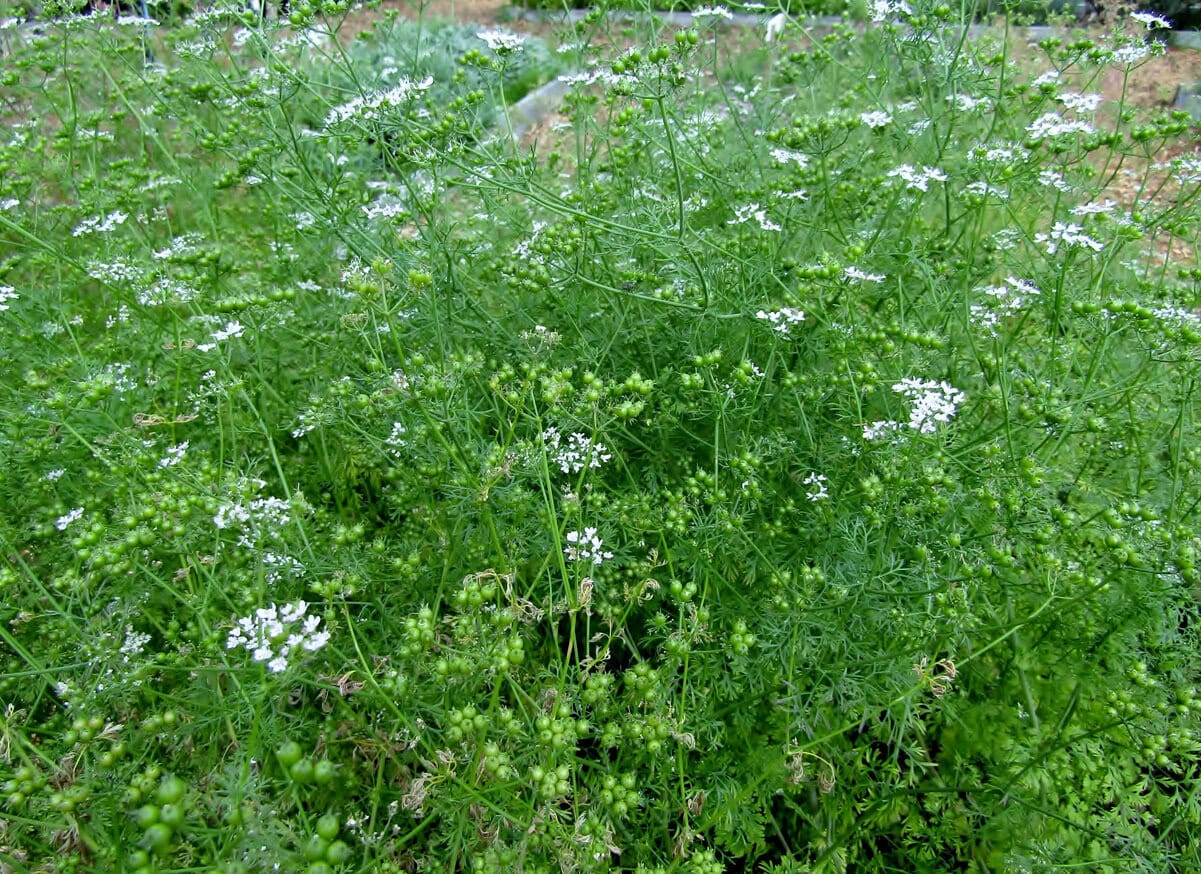
Proper harvest methods will decide if your herb thrives or gives up early. Avoid cutting the entire clump at once. Rather, snip the outer leaves and leave the center heart intact so new growth can continue.
If you notice a fine, fern-like leaves appearing on the new stems, the plant is getting ready to flower. At that point, harvest it all immediately or let it go to seed to attract those beneficial insects (like ladybugs) I mentioned earlier.
Scent-encing Pests to Exile
Cilantro might divide the dinner table, but it unites the garden under a shield of aromatic protection. Whether you love the taste or think it belongs in a soap dish doesn’t really matter. It’s your veggies’ and bad beetles’ opinions that count.

Hey there! I’m Dragana, an ecologist with a serious soft spot for soil and the magic that sprouts from it. My Adriatic garden is a bit of a wild bunch: aromatic herbs and roses doing their fragrant thing, juicy fruits and stubborn olive trees with a Mediterranean attitude. I’m here to unearth gardening wonders; are you ready to dig in with me?