9 Flowers You Can Sow In Winter For A Head Start In Spring
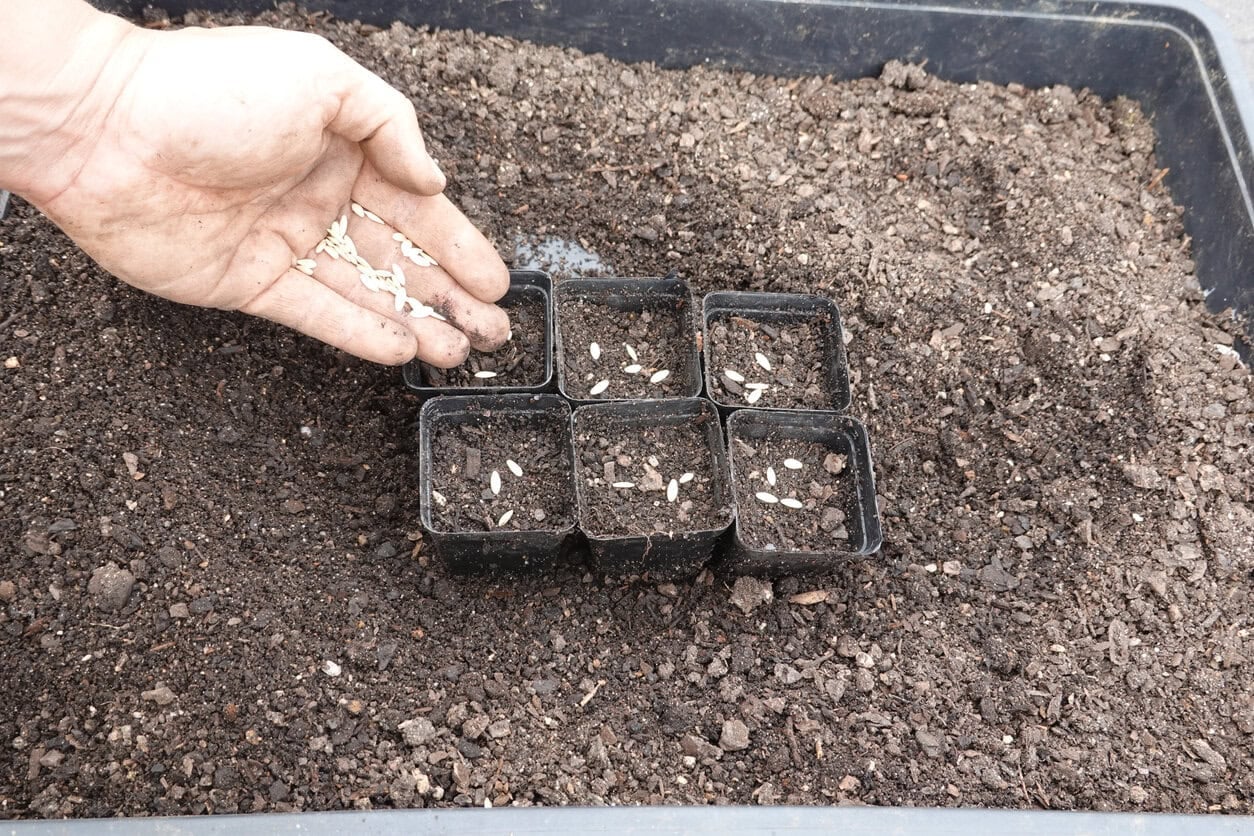
Do your flowers always seem to bloom later than you’d like each spring? Only if you could get a slight head start… oh wait: you can!
In today’s article, I’ll be taking you through a comprehensive list of flowers you can sow in winter to achieve an incredibly beneficial head start in spring. Let’s get straight to business, shall we?
When Should You Start Winter Sowing?
Although specific planting times can vary depending on factors like the plant variety and the harshness of winter, in general, mid-winter works best for achieving a meaningful head start.
Between January and February is when most freeze-and-thaw cycles occur, so consider these two months to be your best bets. If you want a quick rule of thumb for timing by zone, here’s what usually works:
- Zone 6: late December to January;
- Zone 7: mid to late December through early January;
- Zone 8: early to mid December;
- Zones 9-10: November to December (because seeds can germinate too early in warm spells).
In my own garden, I’ve found that timing matters more than anything. The years I started too early, everything sprouted during a random warm spell and then froze. Following your zone really does make a huge difference!
And if you’re still tucking bulbs into the ground while you plan your winter-sowing lineup, here’s a quick guide on what you can still plant in late November and early December.
1: Coneflower (Zone 3-9)

Because coneflower seeds require some cold exposure to germinate properly, starting them between mid to late winter is a good idea.
A lot of my friends who winter-sow (especially in colder zones) start their coneflowers in milk jugs or trays, and they always end up with great spring transplants.
Quick tip: I always winter-sow a big batch of coneflowers because they’re some of the first seedlings to wake up for me in early spring
2: Black-Eyed Susan (Zones 3-9)
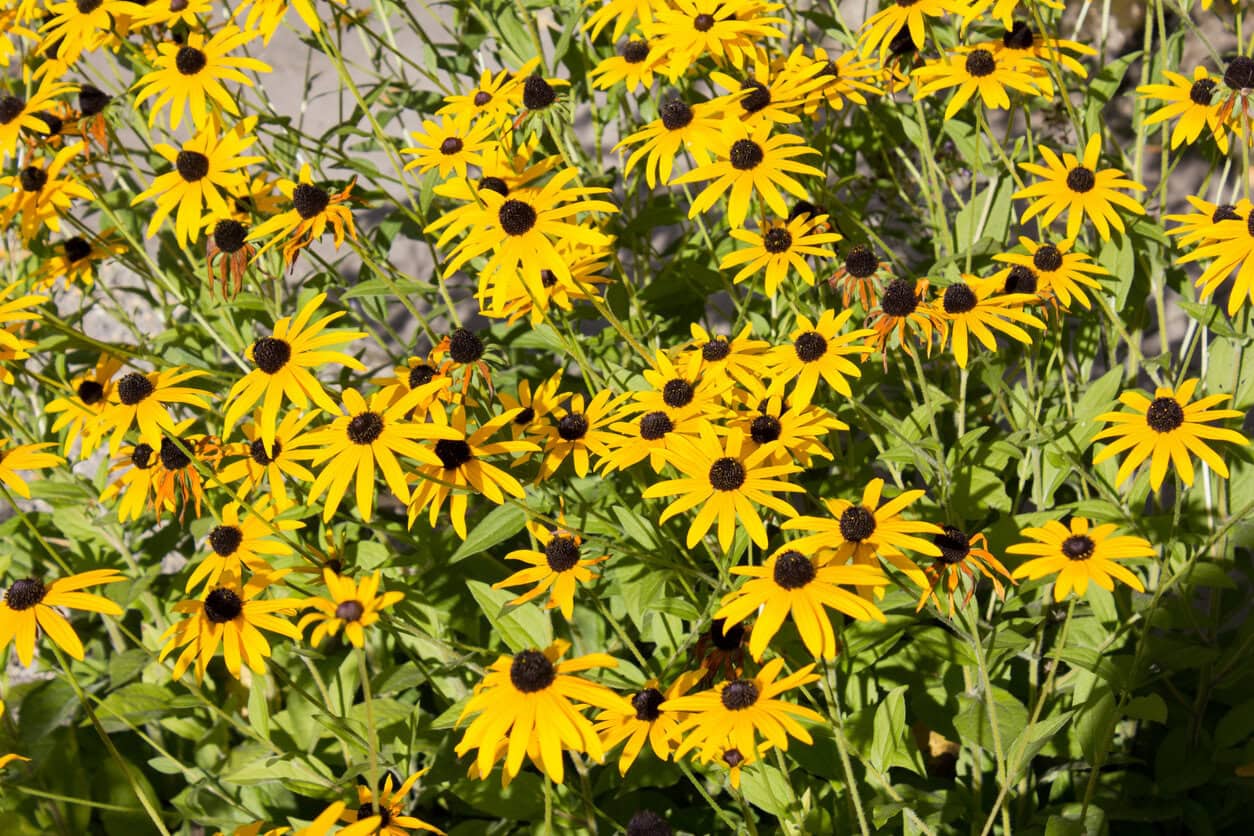
Black-eyed Susans (or rudbeckias) thrive when sown in late winter. They’re pretty low-maintenance after the initial sow and can self-seed pretty easily after the first year.
3: Sweet Peas (Zones 2-9)
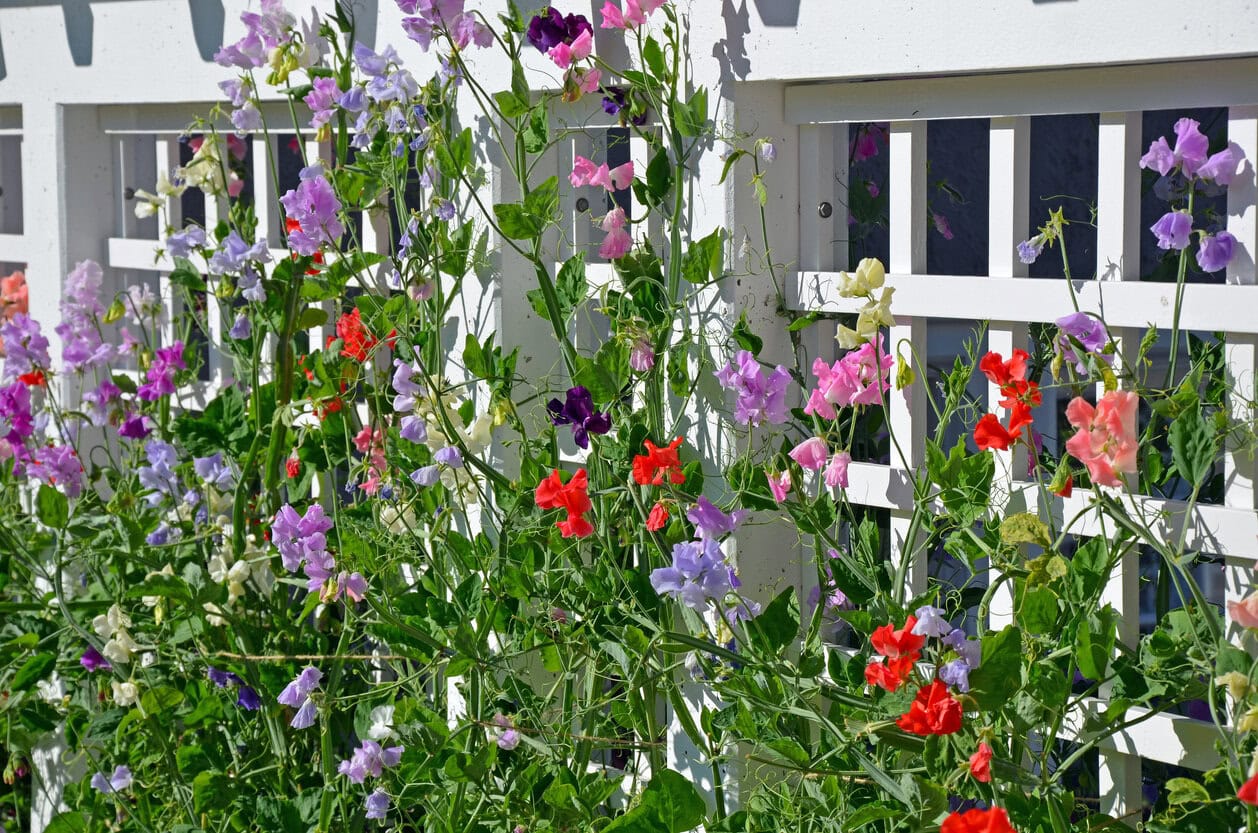
Sweet peas winter-sow beautifully in colder climates, but in mild-winter zones they can sprout a little too early. If you’re gardening in zones 7-9, it’s safer to sow them a bit later in the season.
Quick tip: I like to soak my sweet pea seeds for a few hours before winter sowing, it helps them plump up and germinate faster once spring hits.
4: Poppies (Zones 3-8)

Poppies require ample light to germinate effectively. In late winter, you can scatter the seeds across the frozen soil and you’re good to go!
5: Columbines (Zones 3-9)

Columbine seeds love a good winter chill. I’ve always had the best luck sowing them outside in containers or raised beds and just letting the weather do the work. Once spring arrives, they wake up right on cue.
6: Bachelor’s Buttons (Zones 2-11)

Bachelor’s buttons are ridiculously easy to winter-sow. They don’t mind cold soil at all, and you can toss them into containers any time during winter and they’ll be ready to burst into color the moment spring warms up!
Quick tip: I always sow bachelor’s buttons a little thicker than I think I need. They’re easy to thin in spring, and the fuller patches look amazing.
7: Larkspur (Zones 3-8)

Larkspur practically insists on cold weather before it germinates, so winter sowing is perfect for it. I just sprinkle the seeds onto cold soil and forget about them, they always wake up beautifully in spring
Quick tip: I pop my larkspur seeds into the fridge for a week before winter sowing, that little extra chill always seems to kickstart better germination.
8: Snapdragons (Zones 3-9)

Snapdragon seeds are tougher than they look. They handle frost really well, so sowing them outside in winter is a great way to get earlier blooms once the weather warms.
If you enjoy plants that shrug off cold weather just as easily as winter-sown seedlings, you might also like this list of cold and frost-tolerant annuals that thrive in chilly spring beds.
9: Alyssum (Zones 4-9)

Alyssum is one of those dependable little annuals that really shines with winter sowing. It handles the cold nicely and pops into bloom early in spring, filling in all those gaps around your garden beds.
Quick tip: In zone 4, I’d recommend to sow in containers or given light protection, since extreme cold can occasionally knock the seeds out!
What USDA Zones Are Best For Winter Sowing?
While there aren’t any specific or “ideal” USDA zones for winter sowing, I’d say the happy medium lies somewhere between zones 3-8, in my experience. Temperature conditions in these zones allow for proper cold stratification and ensure smooth and healthy germination.
While there’s nothing wrong with planting in warmer zones (9-11), sometimes if the winters are a bit too mild, it can cause the seeds to germinate early, which, of course, isn’t ideal.
Can You Really Leave Seeds Outside In Freezing Weather?

Absolutely!
As I mentioned many times throughout this article, most of the seeds from these plants are naturally cold-tolerant, and their seeds can survive mid to late winter temperatures pretty well.
As a matter of fact, cold-season classics like poppies, larkspur, and coneflowers actually benefit from winter’s freeze-and-thaw cycles to break dormancy and germinate properly.
I’d recommend sowing in containers as they can act as mini-greenhouses and keep the seeds safe and protected until spring arrives.
If you love having something to look at while your winter-sown containers rest outside, these shrubs that bloom in the dead of winter add a surprising bit of life to the coldest months.
Let’s Conclude

I’ve been winter-sowing for years now, and honestly, the surprise of seeing those first tiny seedlings in early spring never gets old.
If you’ve decided to reject conventional gardening ideas, fundamentals, and planting timelines, it only makes sense for you to bend the rules according to what you consider best for your garden. If this means sowing certain plants earlier than usual in the winter for a head start, so be it.
The fact of the matter is that there are no fixed rules in gardening, and you can strategically experiment with factors like planting time to achieve a desired look or result. Now, pick your favorites from the list above and get to sowing right away!

I’m Rita, passionate about flowers, plants and growing my own vegetables at home. I live in an apartment, but I still have my garden, I intend to use all my knowledge to help you also have a lively, happy and productive garden (even in an apartment).