14 Best Edible Hedge Ideas for a Beautiful and Productive Garden
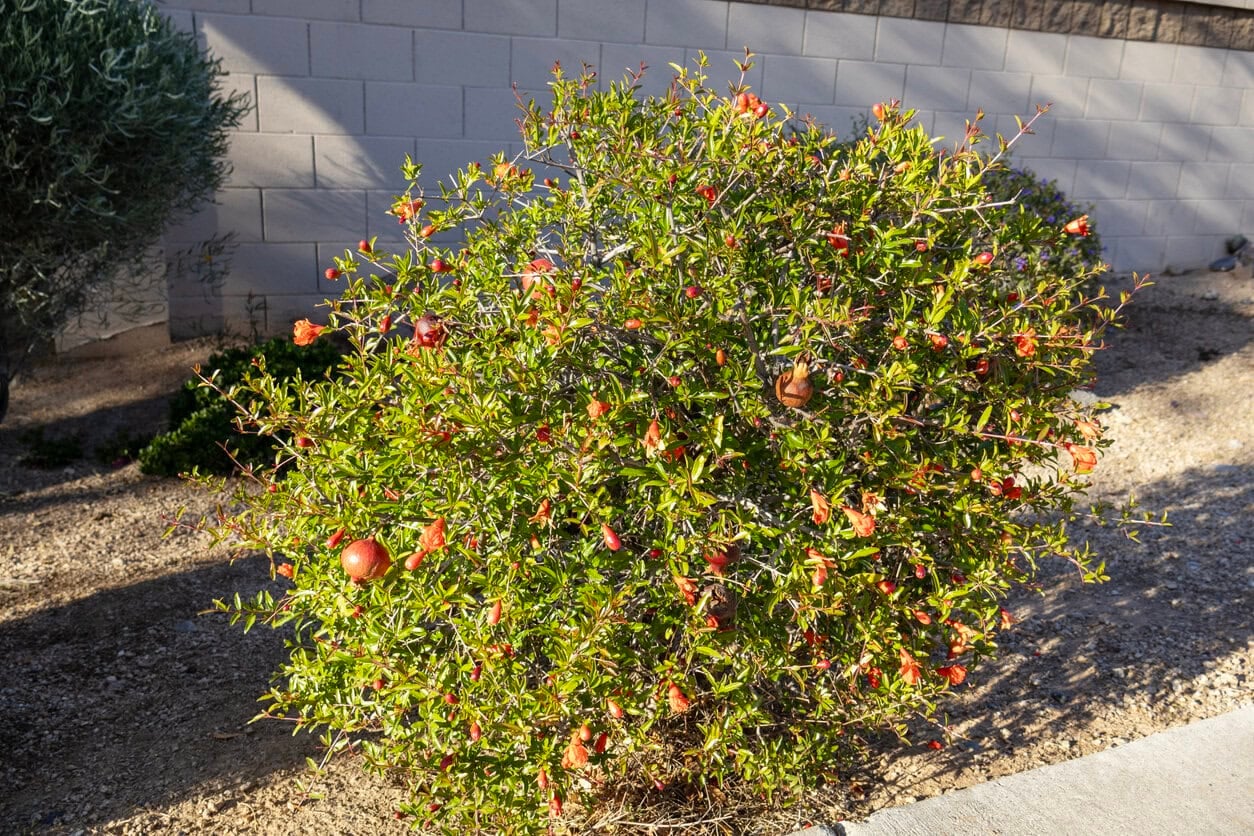
Living the dream involves eating your way through the yard. Flowers are lovely, sure, but fruit is better.

instead of planting another plain green barrier, why not grow something that feeds you back? Brace yourself, an upgrade is coming. Your garden will never look (or taste) the same.

14 Hedges That Pays You Back

Ready to grow toward a fruitful future? These plants offer privacy, beauty, and a steady supply of fresh food.

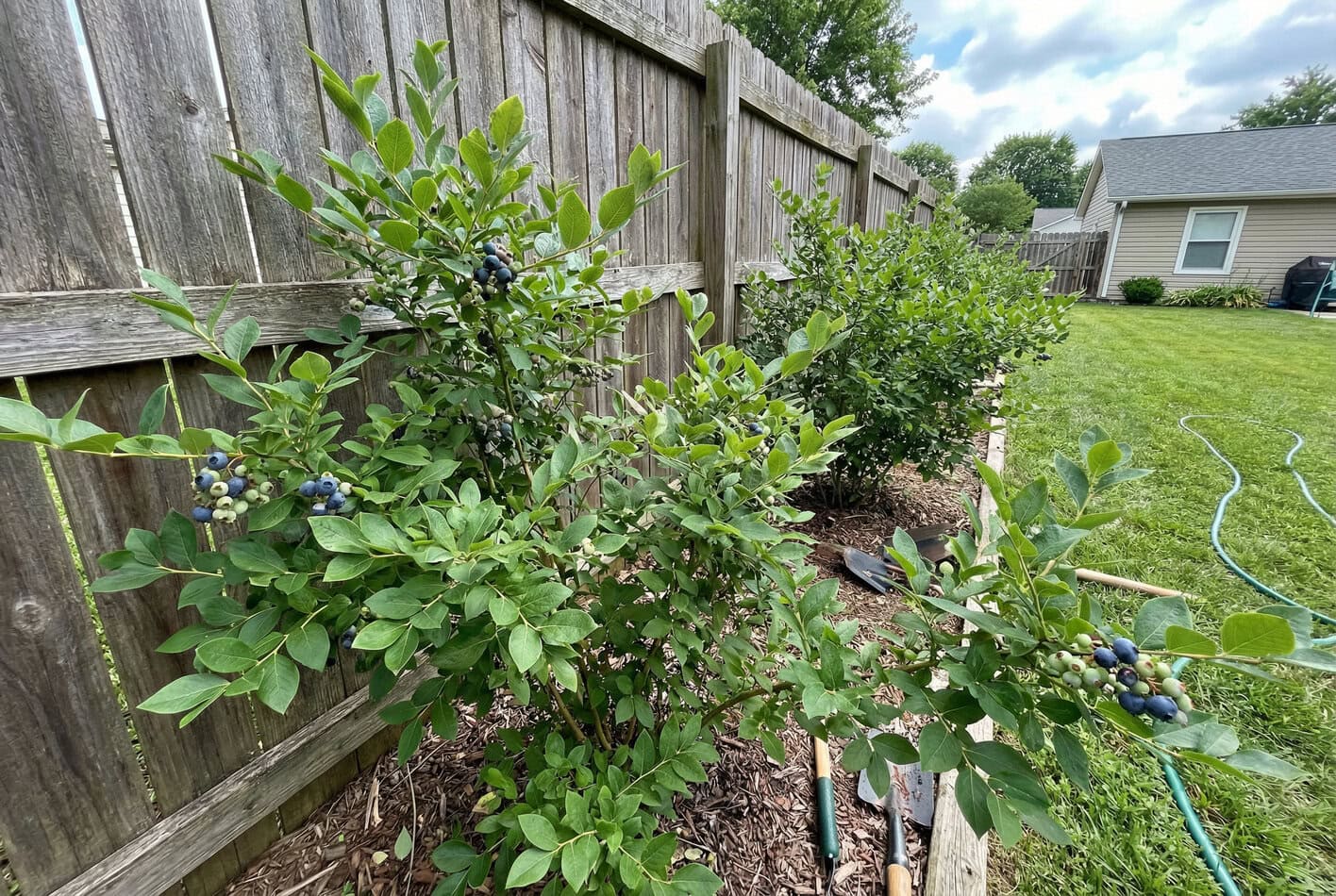
1: Highbush Blueberry (USDA Zones 4-8)
Highbush BlueberriesHighbush Blueberries
Highbush Blueberries

Crimson fall leaves transform a standard boundary into a spectacular seasonal display.

Beyond the visual appeal, spring delivers bell-shaped blossoms, followed by summer harvests of sweet antioxidant-rich berries. Acidic soil remains a non-negotiable if you’re craving a truly heavy crop.

Quick tip: Plant in full sun and acidic soil (pH 4.5-5.5), and grow at least two varieties nearby for heavier harvests.

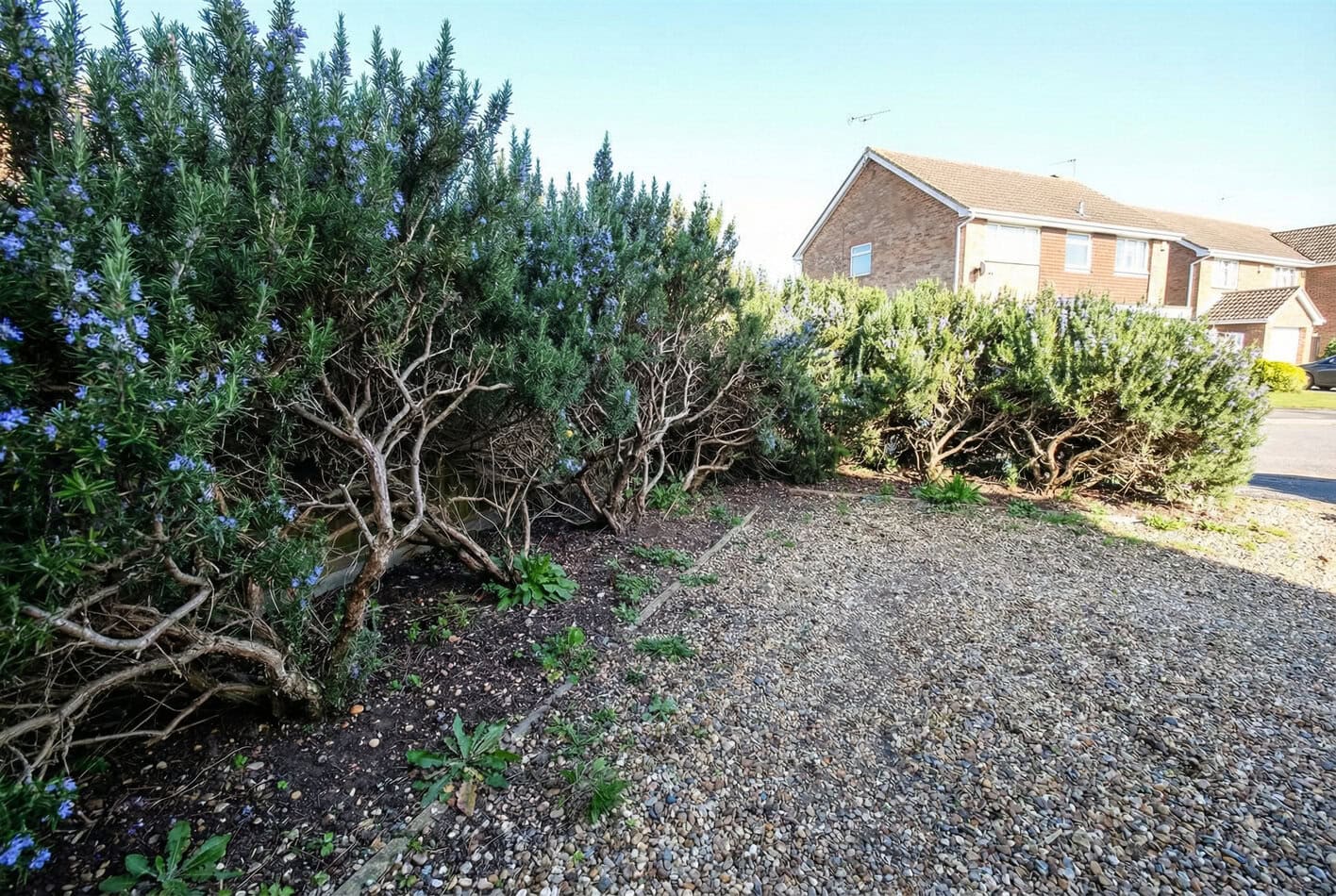
2: Rosemary (USDA Zones 7-10)
RosemaryRosemary
Rosemary

Aromatic needles form an evergreen screen that laughs at blistering summer heat. Purple blooms attract wandering bees, while the pungent sprigs elevate every roasted potato dish in existence. 

Naturally drought-tolerant once established, a quick pruning session releases a divine scent that feels like a high-end spa day.

Quick tip: Give it full sun and excellent drainage, and in colder zones grow it near a south-facing wall or in a container to protect it from winter damage.

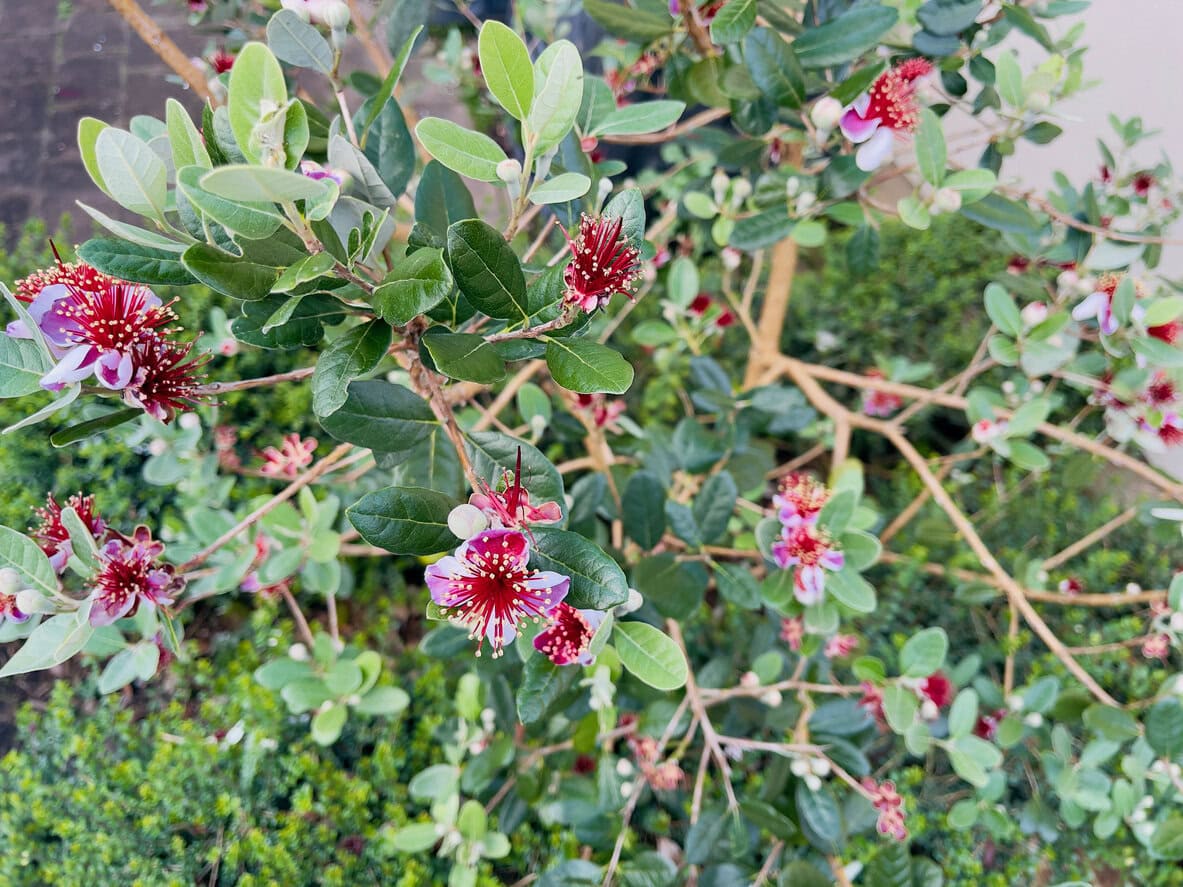
3: Pineapple Guava (USDA Zones 7-10)
Pineapple GuavaPineapple Guava
Pineapple Guava

Transform your perimeter with shimmering leaves that look like they belong on a Greek hillside. The fleshy petals taste faintly sweet (almost like marshmallows), which sounds fake but thankfully isn’t.

Most people plant these for its striking foliage, but the real reward is the zesty fruit that ripens in fall after a warm summer. Tough enough to handle coastal winds and salty air, this shrub makes a surprisingly resilient edible hedge.

4: Natal Plum (USDA Zones 9-11)
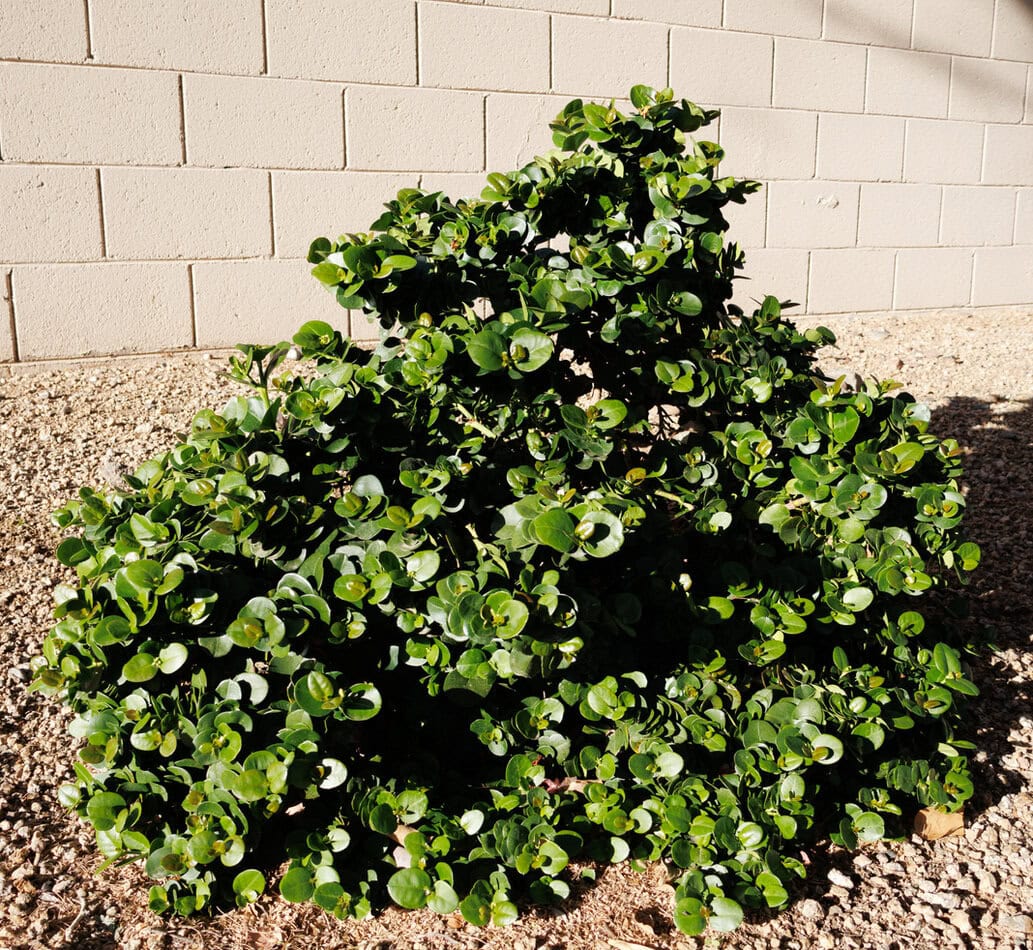
Natal Plum Natal Plum
Natal Plum

Had you planted these years ago, those sharp spines would already be bruising the egos of neighborhood trespassers.

Scorching weather stands no chance against that glossy evergreen foliage. Tough enough for coastal gardens and blazing sun, natal plum rewards patience with bright red, tart fruit once established.

Quick Reminder: Skip this one if you have curious pets. Unripe fruit and plant sap are toxic, and the sharp thorns can cause injury.

5: Pomegranate (USDA Zones 8-10)

Dawrf PomegranateDawrf Pomegranate
Dawrf Pomegranate

Branches eventually tangle into a fortress so tight a cat would struggle to find a gap. Once established, you’ll be cracking open ruby arils each fall, chasing that addictive crunch. 

Ancient builders used these as hedges for a reason. Your modern backyard will look much more sophisticated for following their lead.

Quick Tip: Plant in full sun and be patient. Most pomegranates take 2-3 years to produce a reliable harvest.

6: Elderberry (USDA Zones 3-9)
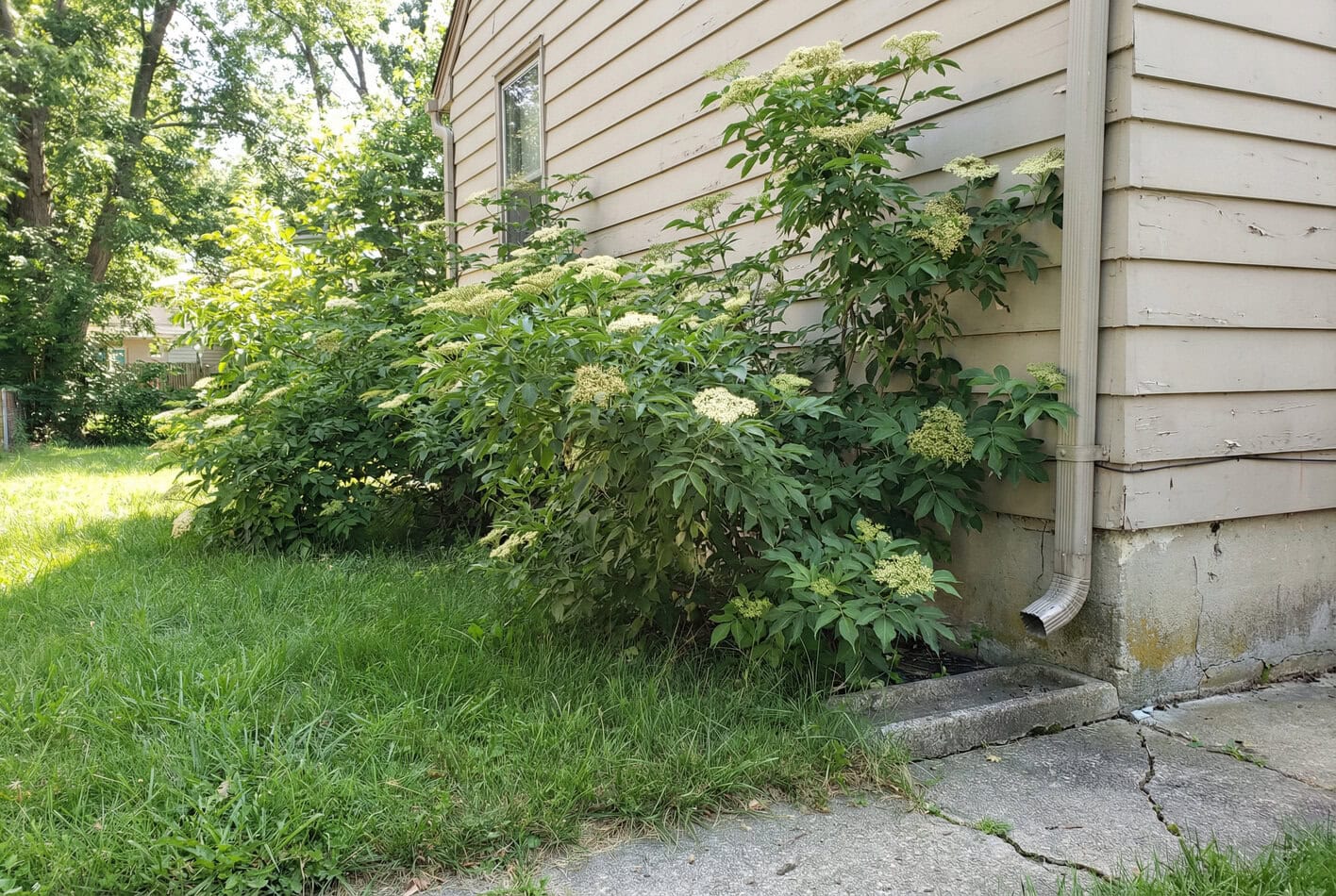
ElderberriesElderberries
Elderberries

Summer brings massive floral discs that slowly transition into heavy clusters of dark berries long valued for syrups and jams.

This shrub grows with such reckless speed that your privacy is guaranteed within a single season. Prune annually to keep the hedge dense and productive.

Just keep the pot boiling. The berries must be cooked before eating, since raw berries are strictly off-limits for your digestive system!

Quick reminder: Avoid planting if pets nibble garden plants. Raw berries, leaves, and stems are toxic unless cooked.

7: Chilean Guava (USDA Zones 8-10)
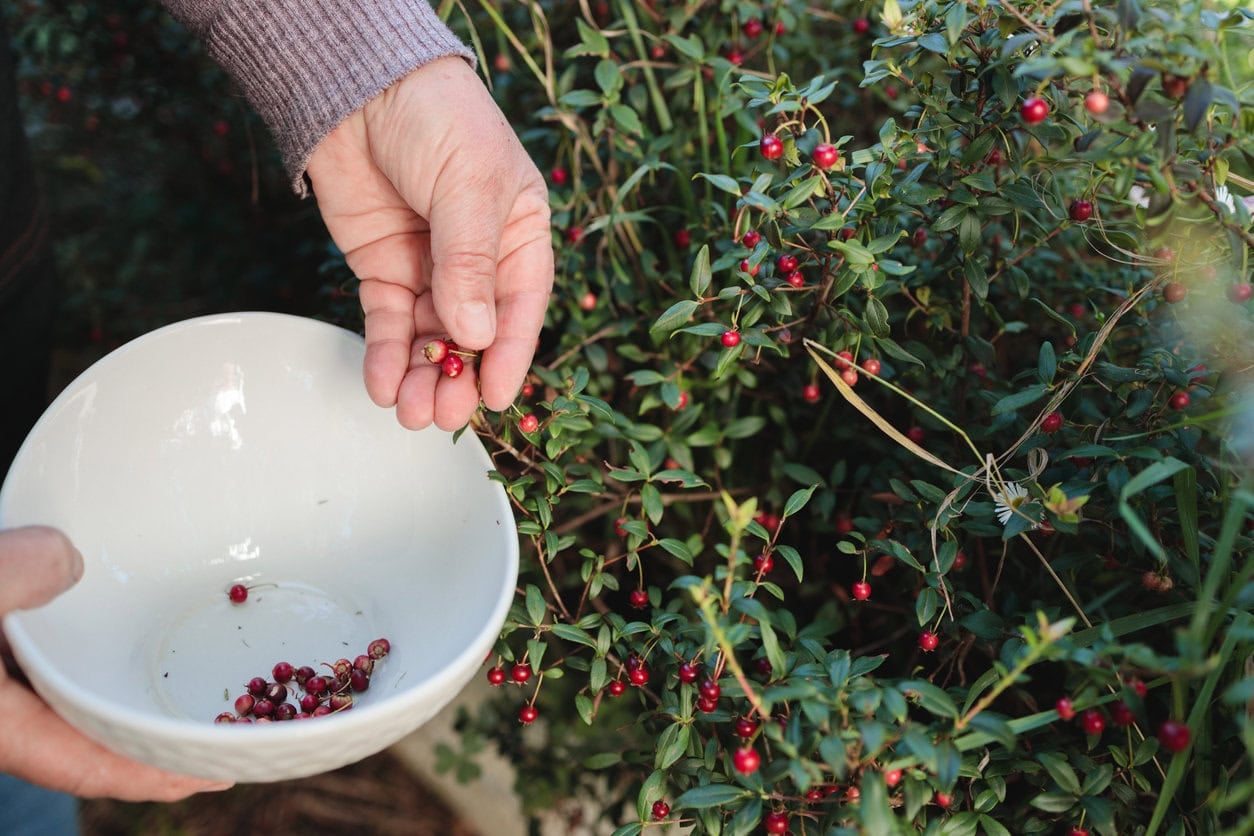
Chilean GuavaChilean Guava
Chilean Guava

Rumors of Queen Victoria’s berry obsession might be true, considering the fruit tastes like a royal snack. A scent of strawberry bubblegum usually signals that harvest time arrived.

Naturally compact and slower growing than most hedge plants, Chilean guava needs only light shaping to stay tidy. So, you can tuck away your shears all year long.

8: Italian Bay Laurel (USDA Zones 8-10)
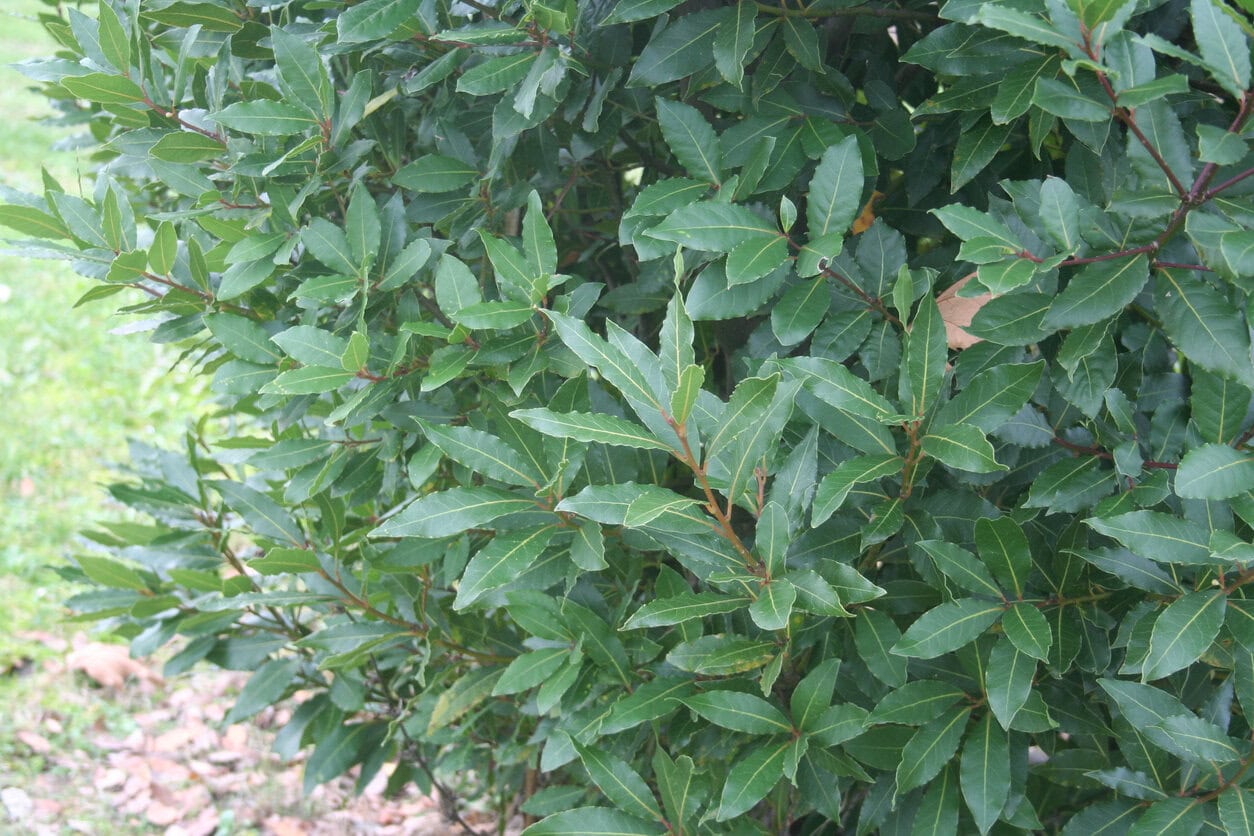
Italian Bay Laurel (Laurus nobilis)Italian Bay Laurel (Laurus nobilis)
Italian Bay Laurel

Stews lacked a certain depth before these aromatic leaves entered the kitchen. If you feel ambitious, bay laurel responds beautifully to pruning (even into a perfect sphere).

One sturdy evergreen plant will also satisfy your every culinary whim for the next decade. Or longer.

Quick Reminder: Culinary bay can cause mild stomach upset in pets if chewed, keep trimmed and out of reach.

9: Nanking Cherry (USDA Zones 2-7)
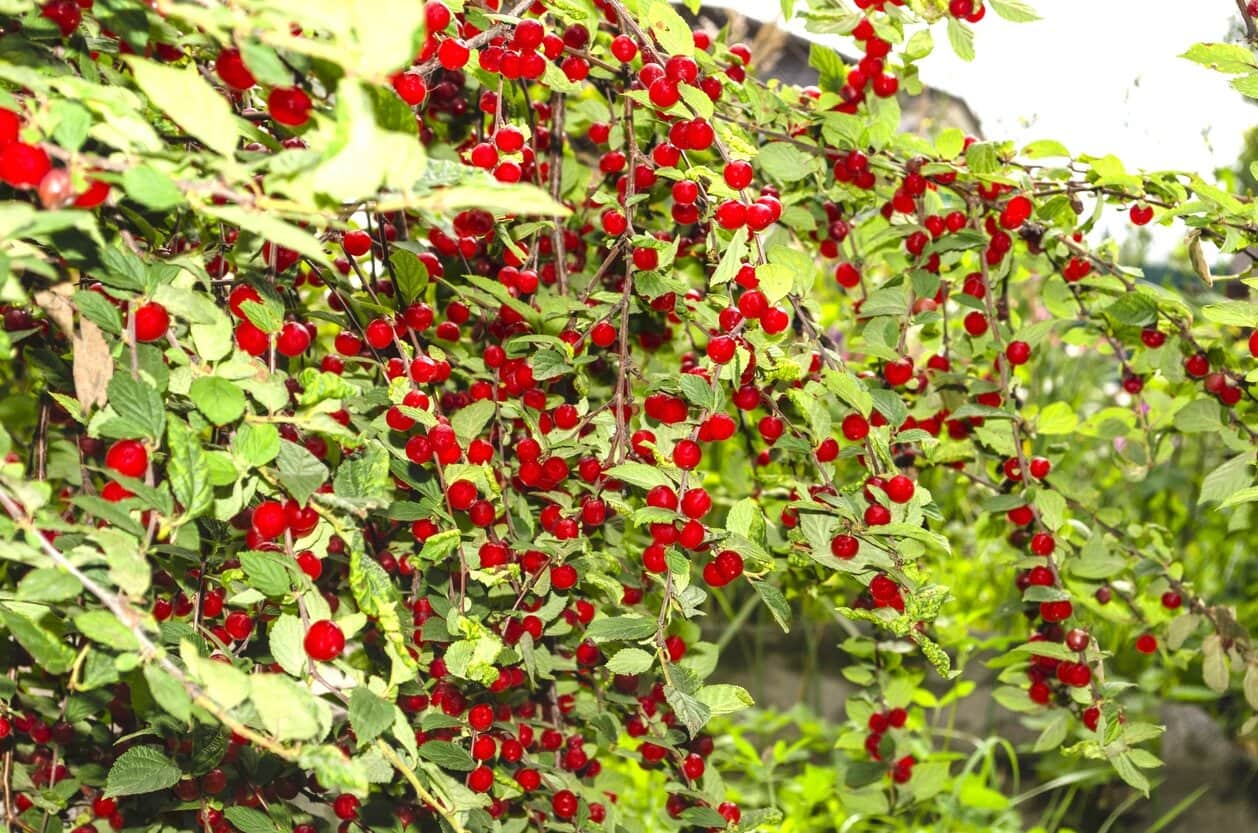
Nanking Cherry (Prunus tomentosa)Nanking Cherry (Prunus tomentosa)
Nanking Cherry

Early spring arrives with a frantic explosion of pale pink blossoms that nearly hide the branches.

Once summer comes, you will find yourself grazing clusters of small, tart cherries appear in surprising abundance, especially if you plant more than one shrub for better pollination.

Even a soul-crushing winter fails to bother this hardy soul. Such a massive harvest doesn’t seem possible for a plant with such a compact footprint. And yet, it is.

Quick reminder: Fruit is safe, but like most cherries, pits and leaves contain compounds that can be harmful if pets chew them.

10: Sea Buckthorn (USDA Zones 3-8)
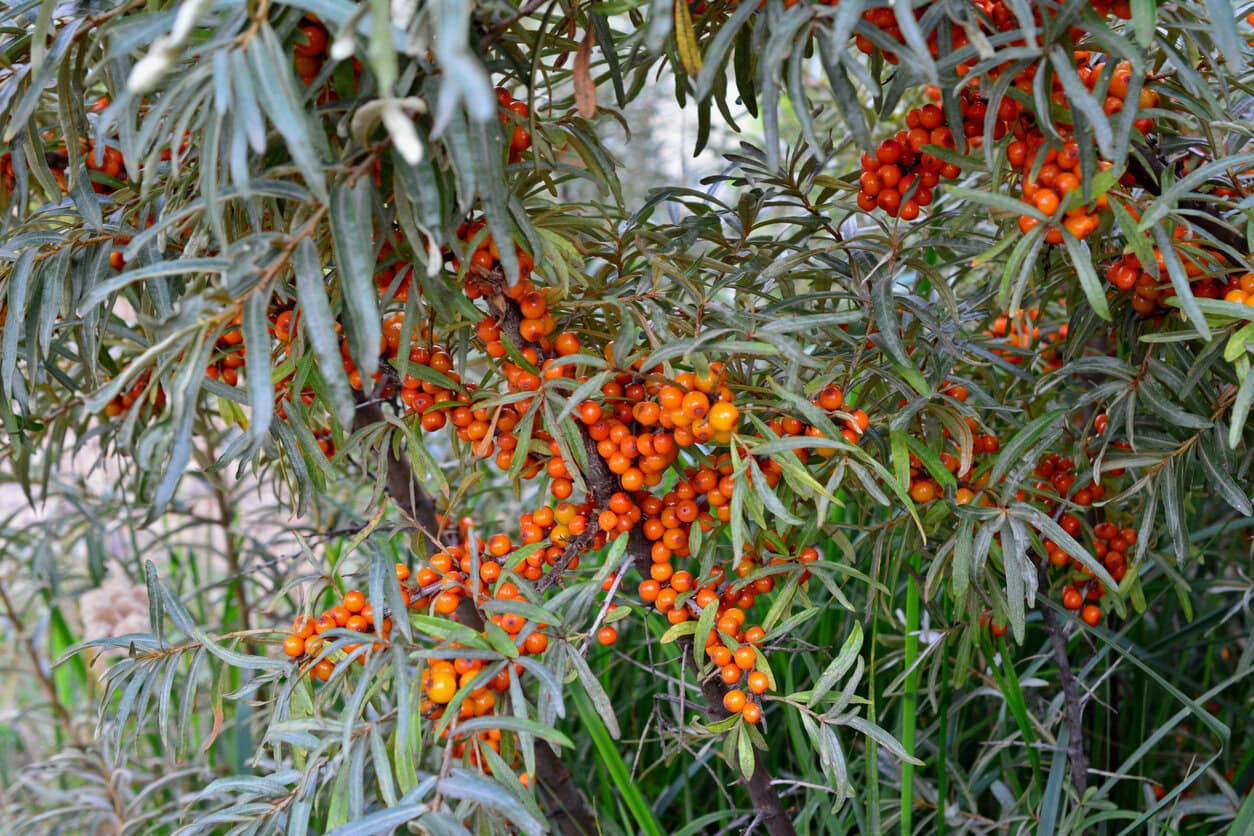
Sea BuckthornSea Buckthorn
Sea Buckthorn

Ounce for ounce, these orange berries can outshine oranges in a Vitamin C contest. Silvery foliage provides a cool visual contrast against typical green landscapes. 

Poor soil doesn’t intimidate this rugged shrub. Can it get better? Its nitrogen-fixing roots gradually improve the surrounding ground

Quick reminder: Sea buckthorn plants are male or female, so you’ll need at least one male plant for every 6-8 females to ensure fruit production.

11: Honeyberry (USDA Zones 2-8)
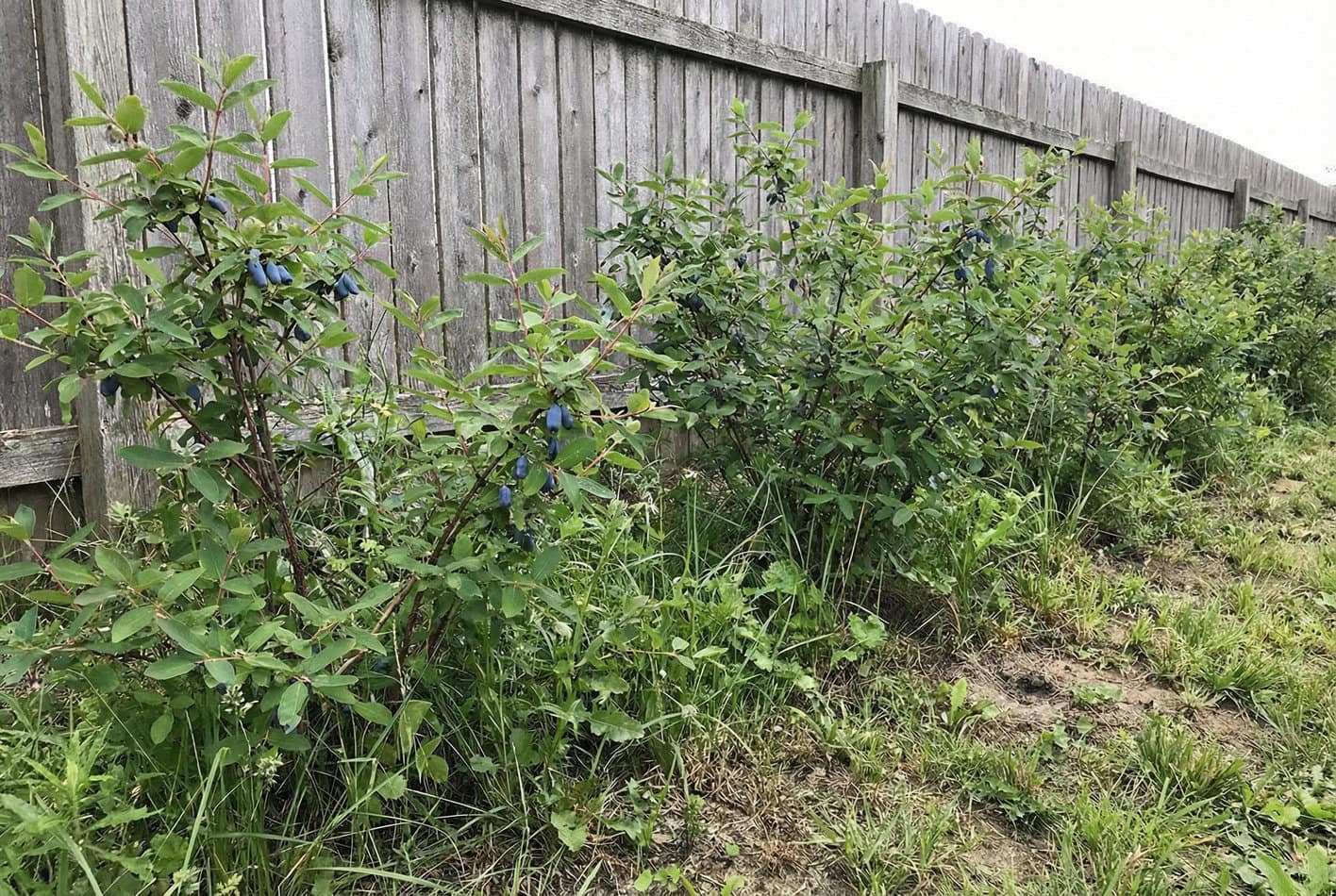
HoneyberriesHoneyberries
Honeyberries

Elongated blue fruits taste like the best wild berries you ever nibbled on. Northern winters won’t slow this plant down. While most of your garden is still dormant, honeyberries are already busy ripening its first crop.

Just remember that a lonely honeyberry produces nothing; yields are much heavier when you plant two compatible varieties. Plant in full sun and buy a friend and those branches will reward you early each spring.

12: American Hazelnut (USDA Zones 4-9)
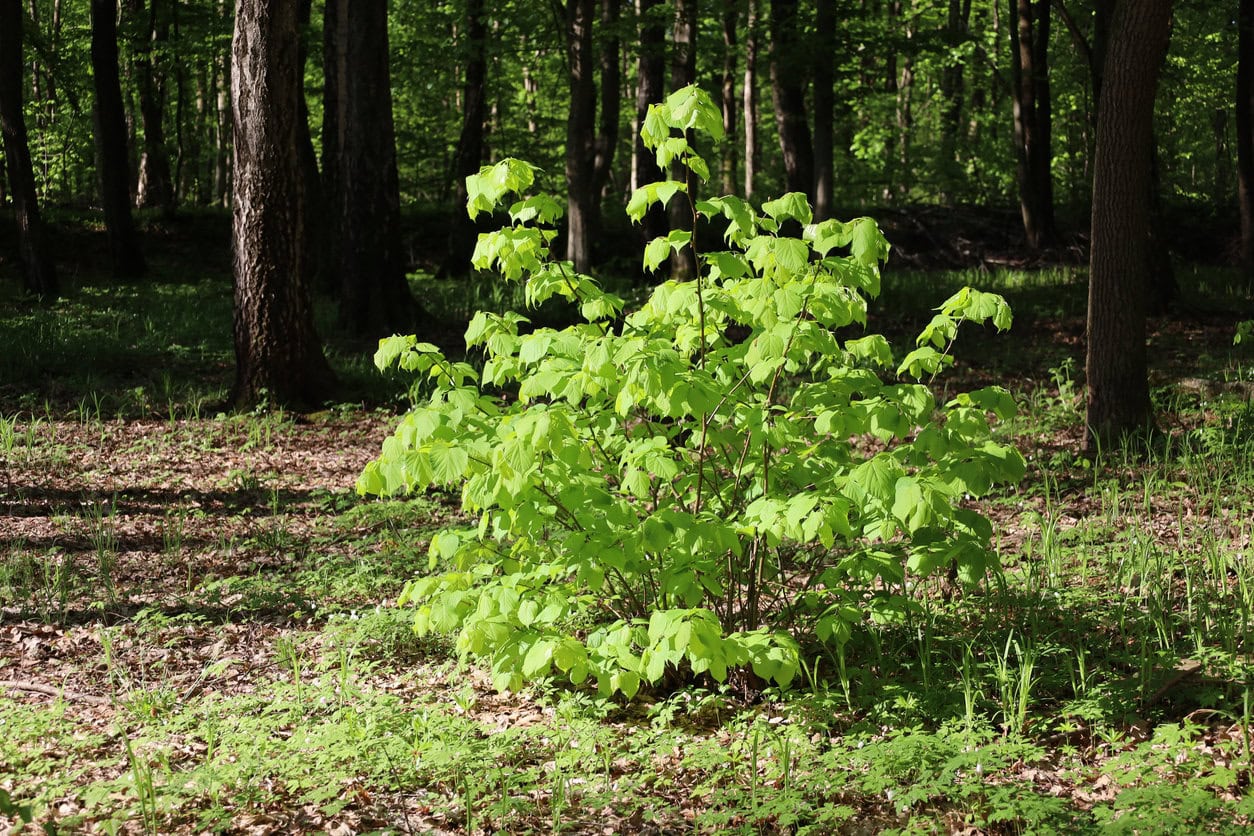
American hazelnut (Corylus americana)American hazelnut (Corylus americana)
American hazelnut

Its dense thickets provide a sanctuary for local birds. You may barely notice the maturing nuts since those ruffled husks provide such clever camouflage.  When autumn arrives, the foliage shifts into warm amber tones that light up the landscape.

With a spreading root system that helps stabilize soil, American hazelnut is a smart choice for slopes or erosion-prone areas, especially if you plant more than one for better nut production.

Quick tip: Protect ripening nuts from squirrels if you want a harvest.

13: Aronia (USDA Zones 3-8)
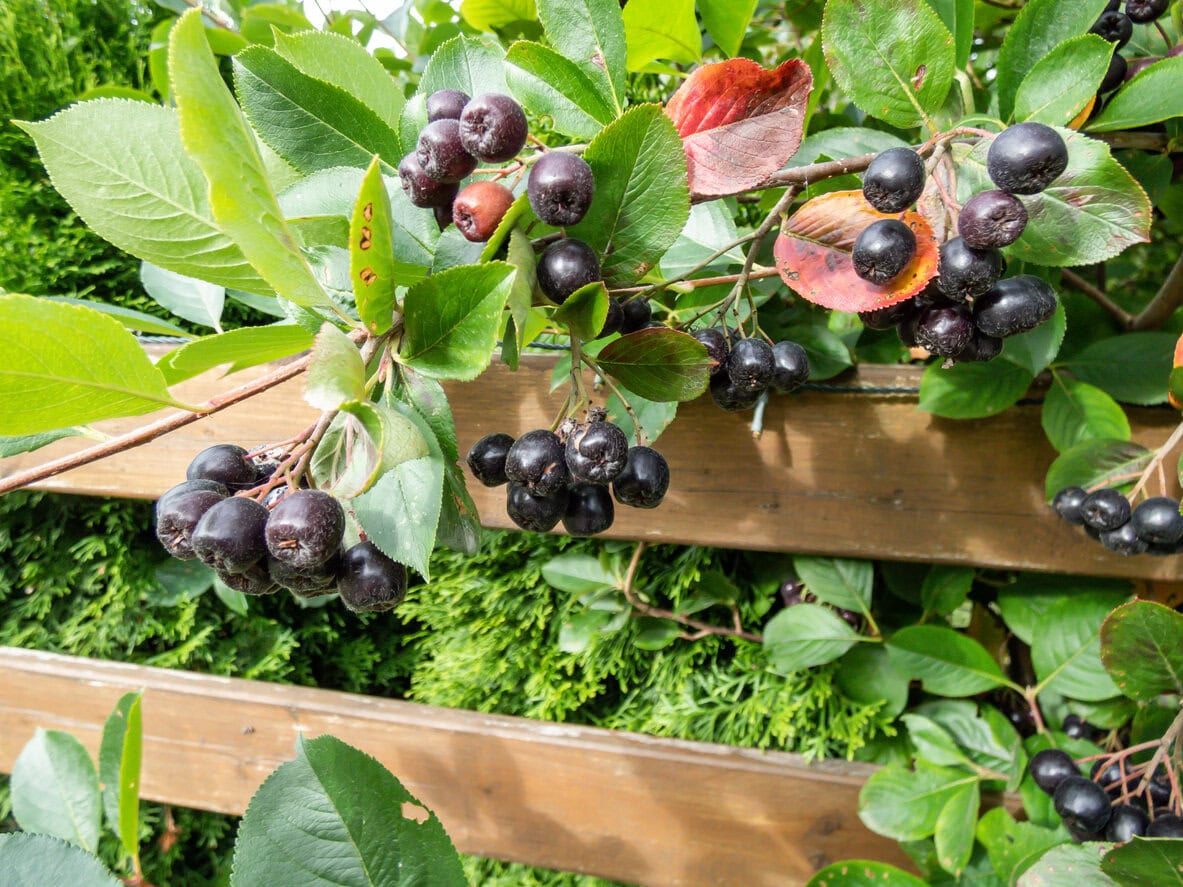
AroniaAronia
Aronia

People ignored these dark berries until gardeners rediscovered them for their impressive antioxidant content. Clusters of white blossoms brighten spring, followed by a vibrant red foliage once the fall chill sets in.

Dry wine lover? You’ll find a soulmate in these complex tannins. Aronia’s bold, tannic bite makes it a natural fit for juices, syrups, and complex homemade blends.

Quick tip: Tolerates wet soil better than many fruiting shrubs, making it a good choice for low or damp areas.

14: Goumi (USDA Zones 4-8)
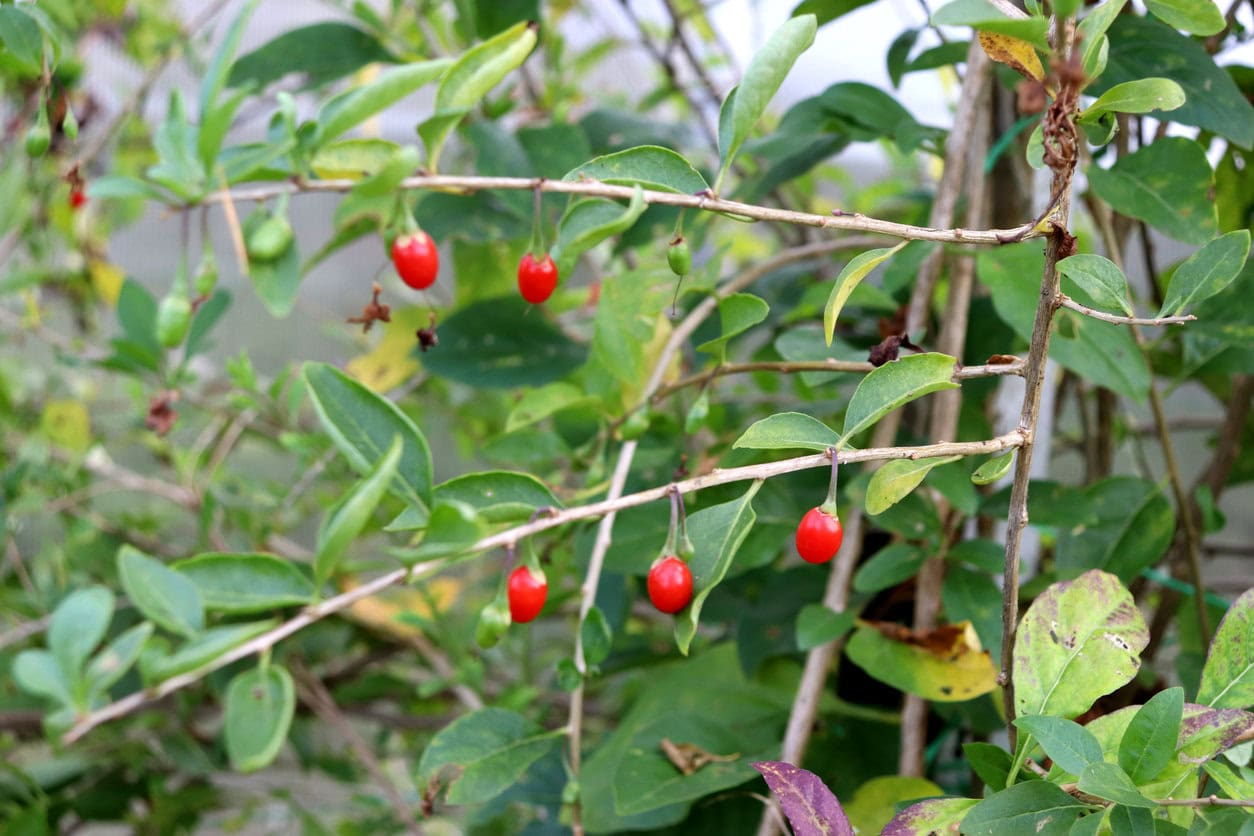
Goumi berriesGoumi berries
Goumi berries

Speckled red fruit lines the stems as summer approaches. Give them a gentle squeeze to test for ripeness, then harvest quickly before the birds beat you to it. 

Like its Elaeagnus relatives, goumi fixes nitrogen in the soil, gradually improving fertility over time.

Tough and adaptable, it forms a dense hedge even in less-than-ideal conditions.

Quick tip: Tough and adaptable, it forms a dense hedge even in less-than-ideal conditions. Check local guidelines before planting, as related Elaeagnus species can be invasive in some regions.

Hedge Your Bets on Flavor

Your lawn deserves better than a plastic fence, and you deserve more kitchen experiments. Swap the hardware store for the nursery and build a living wall that pays you back in jam, wine, fresh herbs and tart cherries.

Dragana by TinyGardenHabitDragana by TinyGardenHabit

Dragana Cergna

Hey there! I’m Dragana, an ecologist with a serious soft spot for soil and the magic that sprouts from it. My Adriatic garden is a bit of a wild bunch: aromatic herbs and roses doing their fragrant thing, juicy fruits and stubborn olive trees with a Mediterranean attitude. I’m here to unearth gardening wonders; are you ready to dig in with me?

Leave a Reply

Your email address will not be published. Required fields are marked *

14 Best Edible Hedge Ideas for a Beautiful and Productive Garden

Living the dream involves eating your way through the yard. Flowers are lovely, sure, but fruit is better.

instead of planting another plain green barrier, why not grow something that feeds you back? Brace yourself, an upgrade is coming. Your garden will never look (or taste) the same.

14 Hedges That Pays You Back

Ready to grow toward a fruitful future? These plants offer privacy, beauty, and a steady supply of fresh food.

1: Highbush Blueberry (USDA Zones 4-8)

Highbush BlueberriesHighbush Blueberries
Highbush Blueberries

Crimson fall leaves transform a standard boundary into a spectacular seasonal display.

Beyond the visual appeal, spring delivers bell-shaped blossoms, followed by summer harvests of sweet antioxidant-rich berries. Acidic soil remains a non-negotiable if you’re craving a truly heavy crop.

Quick tip: Plant in full sun and acidic soil (pH 4.5-5.5), and grow at least two varieties nearby for heavier harvests.

2: Rosemary (USDA Zones 7-10)

RosemaryRosemary
Rosemary

Aromatic needles form an evergreen screen that laughs at blistering summer heat. Purple blooms attract wandering bees, while the pungent sprigs elevate every roasted potato dish in existence. 

Naturally drought-tolerant once established, a quick pruning session releases a divine scent that feels like a high-end spa day.

Quick tip: Give it full sun and excellent drainage, and in colder zones grow it near a south-facing wall or in a container to protect it from winter damage.

3: Pineapple Guava (USDA Zones 7-10)

Pineapple GuavaPineapple Guava
Pineapple Guava

Transform your perimeter with shimmering leaves that look like they belong on a Greek hillside. The fleshy petals taste faintly sweet (almost like marshmallows), which sounds fake but thankfully isn’t.

Most people plant these for its striking foliage, but the real reward is the zesty fruit that ripens in fall after a warm summer. Tough enough to handle coastal winds and salty air, this shrub makes a surprisingly resilient edible hedge.

4: Natal Plum (USDA Zones 9-11)

Natal Plum Natal Plum
Natal Plum

Had you planted these years ago, those sharp spines would already be bruising the egos of neighborhood trespassers.

Scorching weather stands no chance against that glossy evergreen foliage. Tough enough for coastal gardens and blazing sun, natal plum rewards patience with bright red, tart fruit once established.

Quick Reminder: Skip this one if you have curious pets. Unripe fruit and plant sap are toxic, and the sharp thorns can cause injury.

5: Pomegranate (USDA Zones 8-10)

Dawrf PomegranateDawrf Pomegranate
Dawrf Pomegranate

Branches eventually tangle into a fortress so tight a cat would struggle to find a gap. Once established, you’ll be cracking open ruby arils each fall, chasing that addictive crunch. 

Ancient builders used these as hedges for a reason. Your modern backyard will look much more sophisticated for following their lead.

Quick Tip: Plant in full sun and be patient. Most pomegranates take 2-3 years to produce a reliable harvest.

6: Elderberry (USDA Zones 3-9)

ElderberriesElderberries
Elderberries

Summer brings massive floral discs that slowly transition into heavy clusters of dark berries long valued for syrups and jams.

This shrub grows with such reckless speed that your privacy is guaranteed within a single season. Prune annually to keep the hedge dense and productive.

Just keep the pot boiling. The berries must be cooked before eating, since raw berries are strictly off-limits for your digestive system!

Quick reminder: Avoid planting if pets nibble garden plants. Raw berries, leaves, and stems are toxic unless cooked.

7: Chilean Guava (USDA Zones 8-10)

Chilean GuavaChilean Guava
Chilean Guava

Rumors of Queen Victoria’s berry obsession might be true, considering the fruit tastes like a royal snack. A scent of strawberry bubblegum usually signals that harvest time arrived.

Naturally compact and slower growing than most hedge plants, Chilean guava needs only light shaping to stay tidy. So, you can tuck away your shears all year long.

8: Italian Bay Laurel (USDA Zones 8-10)

Italian Bay Laurel (Laurus nobilis)Italian Bay Laurel (Laurus nobilis)
Italian Bay Laurel

Stews lacked a certain depth before these aromatic leaves entered the kitchen. If you feel ambitious, bay laurel responds beautifully to pruning (even into a perfect sphere).

One sturdy evergreen plant will also satisfy your every culinary whim for the next decade. Or longer.

Quick Reminder: Culinary bay can cause mild stomach upset in pets if chewed, keep trimmed and out of reach.

9: Nanking Cherry (USDA Zones 2-7)

Nanking Cherry (Prunus tomentosa)Nanking Cherry (Prunus tomentosa)
Nanking Cherry

Early spring arrives with a frantic explosion of pale pink blossoms that nearly hide the branches.

Once summer comes, you will find yourself grazing clusters of small, tart cherries appear in surprising abundance, especially if you plant more than one shrub for better pollination.

Even a soul-crushing winter fails to bother this hardy soul. Such a massive harvest doesn’t seem possible for a plant with such a compact footprint. And yet, it is.

Quick reminder: Fruit is safe, but like most cherries, pits and leaves contain compounds that can be harmful if pets chew them.

10: Sea Buckthorn (USDA Zones 3-8)

Sea BuckthornSea Buckthorn
Sea Buckthorn

Ounce for ounce, these orange berries can outshine oranges in a Vitamin C contest. Silvery foliage provides a cool visual contrast against typical green landscapes. 

Poor soil doesn’t intimidate this rugged shrub. Can it get better? Its nitrogen-fixing roots gradually improve the surrounding ground

Quick reminder: Sea buckthorn plants are male or female, so you’ll need at least one male plant for every 6-8 females to ensure fruit production.

11: Honeyberry (USDA Zones 2-8)

HoneyberriesHoneyberries
Honeyberries

Elongated blue fruits taste like the best wild berries you ever nibbled on. Northern winters won’t slow this plant down. While most of your garden is still dormant, honeyberries are already busy ripening its first crop.

Just remember that a lonely honeyberry produces nothing; yields are much heavier when you plant two compatible varieties. Plant in full sun and buy a friend and those branches will reward you early each spring.

12: American Hazelnut (USDA Zones 4-9)

American hazelnut (Corylus americana)American hazelnut (Corylus americana)
American hazelnut

Its dense thickets provide a sanctuary for local birds. You may barely notice the maturing nuts since those ruffled husks provide such clever camouflage.  When autumn arrives, the foliage shifts into warm amber tones that light up the landscape.

With a spreading root system that helps stabilize soil, American hazelnut is a smart choice for slopes or erosion-prone areas, especially if you plant more than one for better nut production.

Quick tip: Protect ripening nuts from squirrels if you want a harvest.

13: Aronia (USDA Zones 3-8)

AroniaAronia
Aronia

People ignored these dark berries until gardeners rediscovered them for their impressive antioxidant content. Clusters of white blossoms brighten spring, followed by a vibrant red foliage once the fall chill sets in.

Dry wine lover? You’ll find a soulmate in these complex tannins. Aronia’s bold, tannic bite makes it a natural fit for juices, syrups, and complex homemade blends.

Quick tip: Tolerates wet soil better than many fruiting shrubs, making it a good choice for low or damp areas.

14: Goumi (USDA Zones 4-8)

Goumi berriesGoumi berries
Goumi berries

Speckled red fruit lines the stems as summer approaches. Give them a gentle squeeze to test for ripeness, then harvest quickly before the birds beat you to it. 

Like its Elaeagnus relatives, goumi fixes nitrogen in the soil, gradually improving fertility over time.

Tough and adaptable, it forms a dense hedge even in less-than-ideal conditions.

Quick tip: Tough and adaptable, it forms a dense hedge even in less-than-ideal conditions. Check local guidelines before planting, as related Elaeagnus species can be invasive in some regions.

Hedge Your Bets on Flavor

Your lawn deserves better than a plastic fence, and you deserve more kitchen experiments. Swap the hardware store for the nursery and build a living wall that pays you back in jam, wine, fresh herbs and tart cherries.

Dragana by TinyGardenHabitDragana by TinyGardenHabit

Dragana Cergna

Hey there! I’m Dragana, an ecologist with a serious soft spot for soil and the magic that sprouts from it. My Adriatic garden is a bit of a wild bunch: aromatic herbs and roses doing their fragrant thing, juicy fruits and stubborn olive trees with a Mediterranean attitude. I’m here to unearth gardening wonders; are you ready to dig in with me?

Leave a Reply

Your email address will not be published. Required fields are marked *

Back to top button

Adblock Detected

Please consider supporting us by disabling your ad blocker