12 Perennials You Should Fertilize in February (And Why It Matters)

Your calendar may disagree, but in the garden world, February feels like the Monday of months. And while most plants nap, your perennials demand their first breakfast the moment winter loosens its grip, before you even find your gloves.
Feed them. If you wait until spring, you’re handing them a cold cup of decaf when they obviously need a double espresso.
Dormancy Is For Slackers
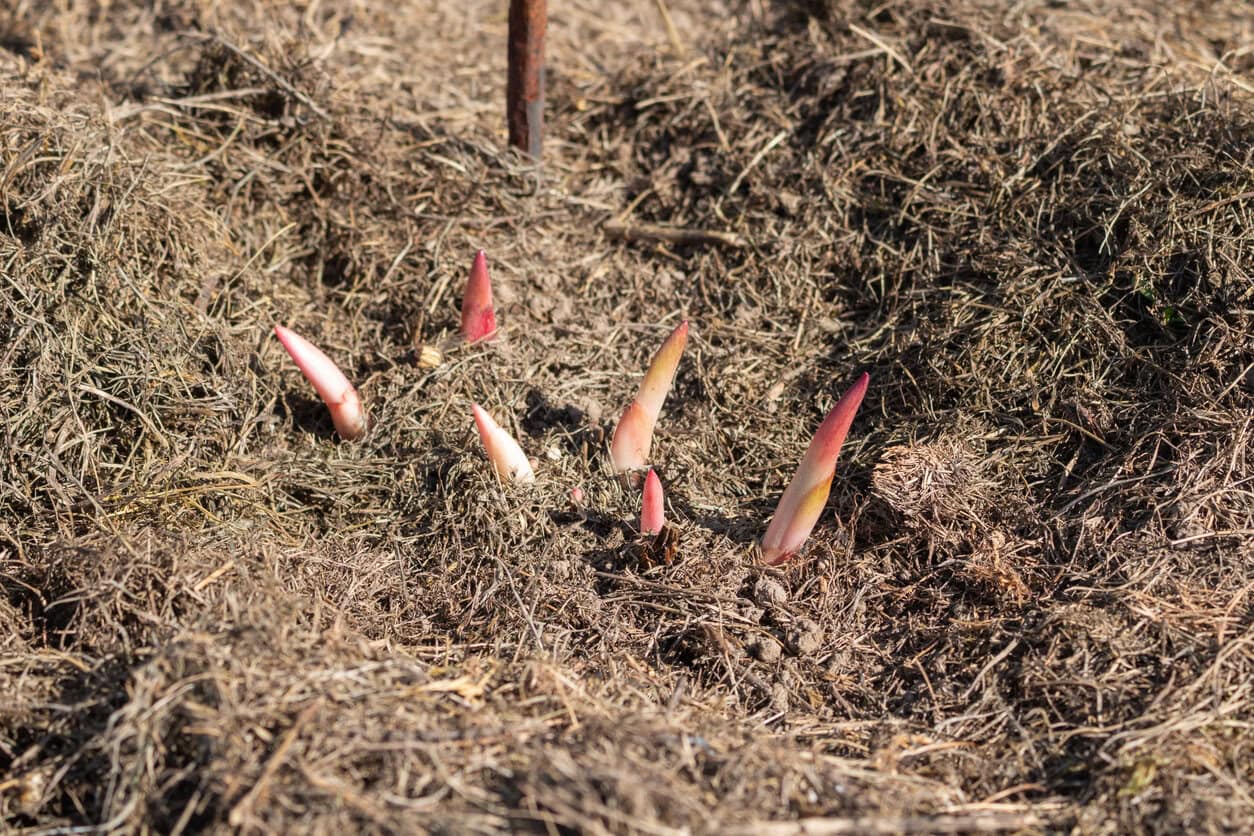
Dormancy is just a 5-dollar word for a plant hangover. Your perennials snored all winter, and they begin to wake as late winter softens, hungry.
Yet, not every plant eats at the same time, the same food, or the same quantity! What’s your strategy that accounts for their specific brand of pre-spring desperation? Let’s break it down by the plants that refuse to wait.
Quick note: The zones I’m going to mention below reflect where soil typically begins to thaw in February. If your zone isn’t listed, it doesn’t mean you should fertilize later or earlier, it simply means your soil conditions vary too much to put a date on it. Always follow the thaw, not the calendar!
If hydrangeas are part of your garden, here are the essential hydrangea care tasks to tackle in February so you don’t miss the timing.
The Audacious Early Birds
Survival of the fittest depends entirely on who gets the fertilizer first.
1: Hellebores (Zones 7-9)

Critter-resistant early risers bloom while you’re still defrosting your windshield. Because they produce flowers in the slush, their internal batteries run low by February.
I like to use a balanced 10-10-10 or similar slow-release fertilizer here, applied lightly, so they get steady support without pushing soft new growth.
2: Peonies (Zones 6-9 during thaws)

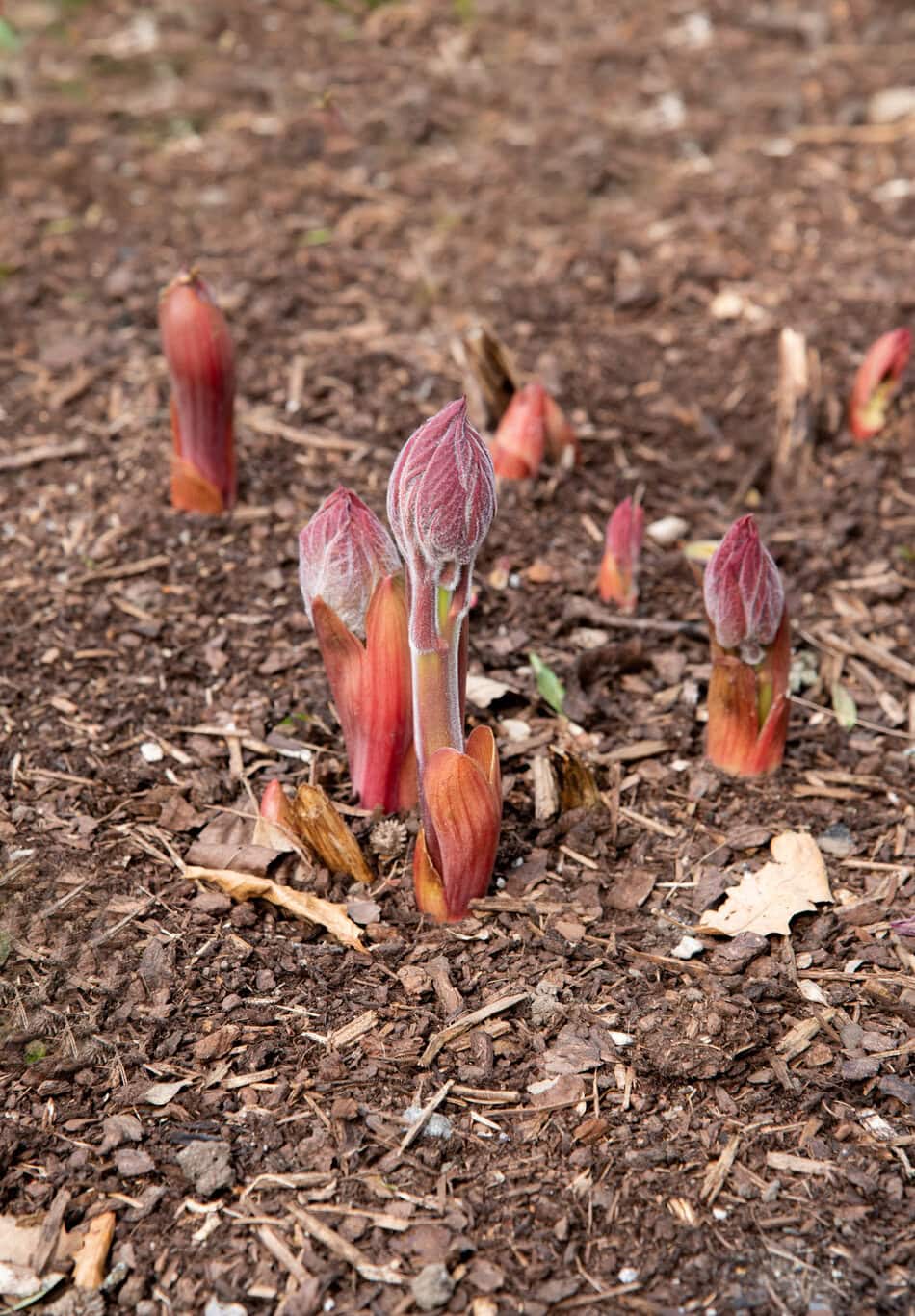
Giant blooms require massive calories. I stick with a low-nitrogen blend like 5-10-10, applied sparingly. Serving a low-nitrogen diet before the red “eyes” break the surface reminds them that their only job is to produce something pretty and fast.
Quick tip: Once the shoots are fully up, I stop fertilizing completely. Any feeding after that just gives me more leaves, not bigger blooms.
3: Bleeding Hearts (Zones 6-9 during thaws)

This species lives for drama and then disappears by July. Fueling their root systems during the thaw with an early but balanced nitrogen fix is the only way they can afford to build tiny and pink hearts before they vanish.
I prefer a gentle, balanced liquid fertilizer at half strength, just enough to wake them up without overwhelming the roots.
Quiet gardens are a myth created by people who don’t listen to dirt.
The High-Maintenance Gluttons
Some plants treat your garden like an all-inclusive with no intention of leaving a tip.
1: Delphiniums (Zones 6-8 during thaws)

Delphiniums grow with such aggressive and unbridled speed they get stretch marks. I like to use a balanced fertilizer such as 10-10-10 or 5-10-5, applied lightly, to help build the structural integrity they need to stand upright without a tiny crutch.
Quick tip: I learned the hard way that pushing delphiniums early just creates taller problems later. When I keep feeding moderate and balanced, the stems stay sturdier and need less staking.
2: Daylilies (Zones 6-9 during thaws)
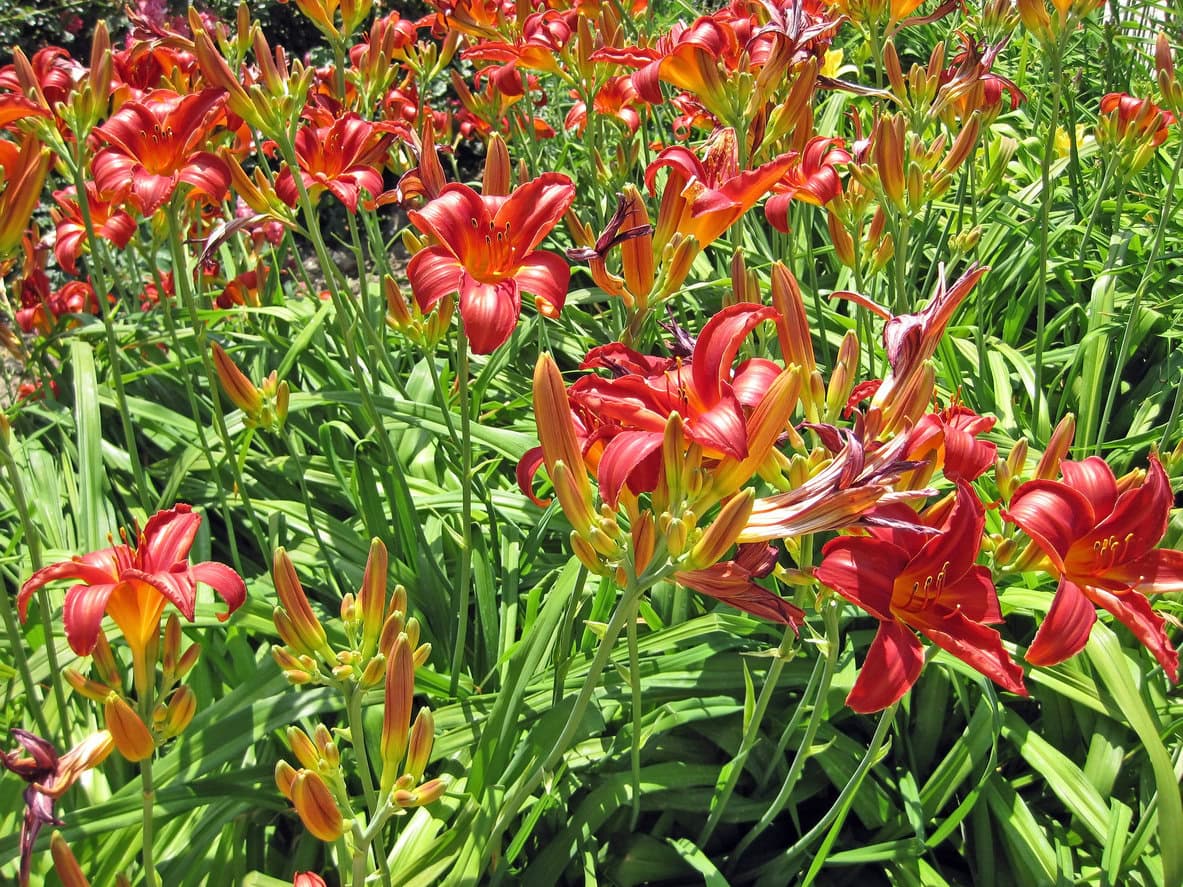
Daylilies would eat almost anything. But if you don’t want them to look like Temu Daylilies, use slow-release pellets.
I usually reach for a balanced slow-release fertilizer like 10-10-10, which feeds steadily the plant over several months so you can return to binge-watching Stranger Things.
3: Clematis (Zones 7-9)

This vine intends to climb your house, so it needs a solid foundation. Feeding the base as the soil begins to thaw and stays damp allows the roots to stockpile energy for the vertical marathon ahead.
I like to use a balanced fertilizer such as 10-10-10 or a slow-release blend, applied around the root zone, not right against the stem.
Quick tip: I always keep fertilizer a few inches away from the main stem. Feeding the roots is the goal, piling it right at the base just risks burning the crown.
Patience is a virtue, but hungry vines usually prefer balanced calories over your good intentions.
The Structural Snobs
This group is less about when or how much and more about what they eat. They are picky.
1: Hostas (Zones 7-9)
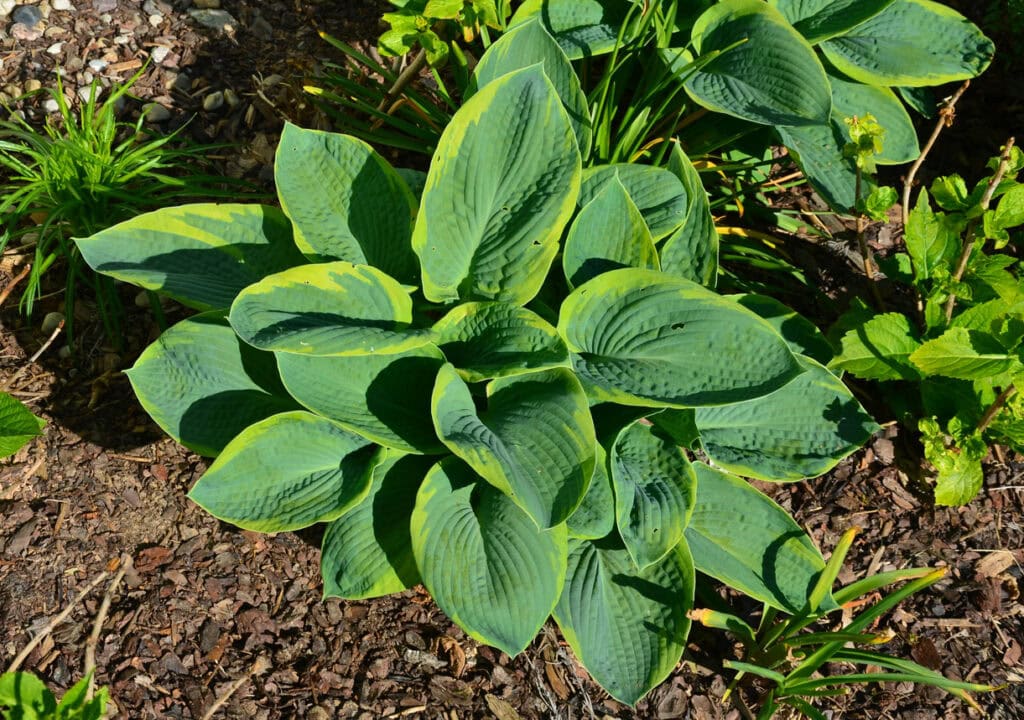
Growing leaves the size of trash can lids takes effort. Nitrogen helps these shade-dwellers look energized instead of resembling wilted lettuce by June.
I like to use a balanced fertilizer such as 10-10-10 or a nitrogen-forward blend applied lightly as growth begins, rather than pushing them too hard early.
Quick tip: I wait until I can actually dig into the soil before fertilizing. If the ground’s still stiff and cold, the nutrients just sit there.
2: Astilbe (Zones 6-9 during thaws)

One moist and nutrient-rich feeding session buys the cooperation of these picky plumes for the rest of the season. A late winter top-dressing of compost or a slow-release fertilizer keeps their feathery spikes fancy as Louis XIV.
3: Bearded Iris (Zones 6-9)

Avoid high nitrogen unless you want a yard full of floppy leaves. I stick to bone meal or a low-nitrogen fertilizer, it’s enough to keep their rhizomes tough and their petals proud.
Quick tip: If iris leaves look lush but flowers are disappointing, I know I’ve pushed nitrogen too hard. Lean feeding keeps them upright and blooming.
Obviously, architecture in the garden requires more than just sunlight and a prayer.
The Afternoon Shift
Some perennials wait until everyone else finishes their job before they even show up. They still expect a paycheck in February.
1: Sedum (Autumn Joy) (Zones 7-9)

They succulently spend the spring acting like boring cabbages. Sedum prefers restraint, so instead of heavy feeding, I stick to a light top-dressing of compost or skip fertilizer entirely.
Quick tip: I’ve seen people recommend high-nitrogen fertilizer for sedum, but every time I’ve tried it, the plants shot up fast and flopped once the flower heads formed. I now stick to compost or nothing at all.
2: Oriental Poppies (Zones 6-8 during thaws)
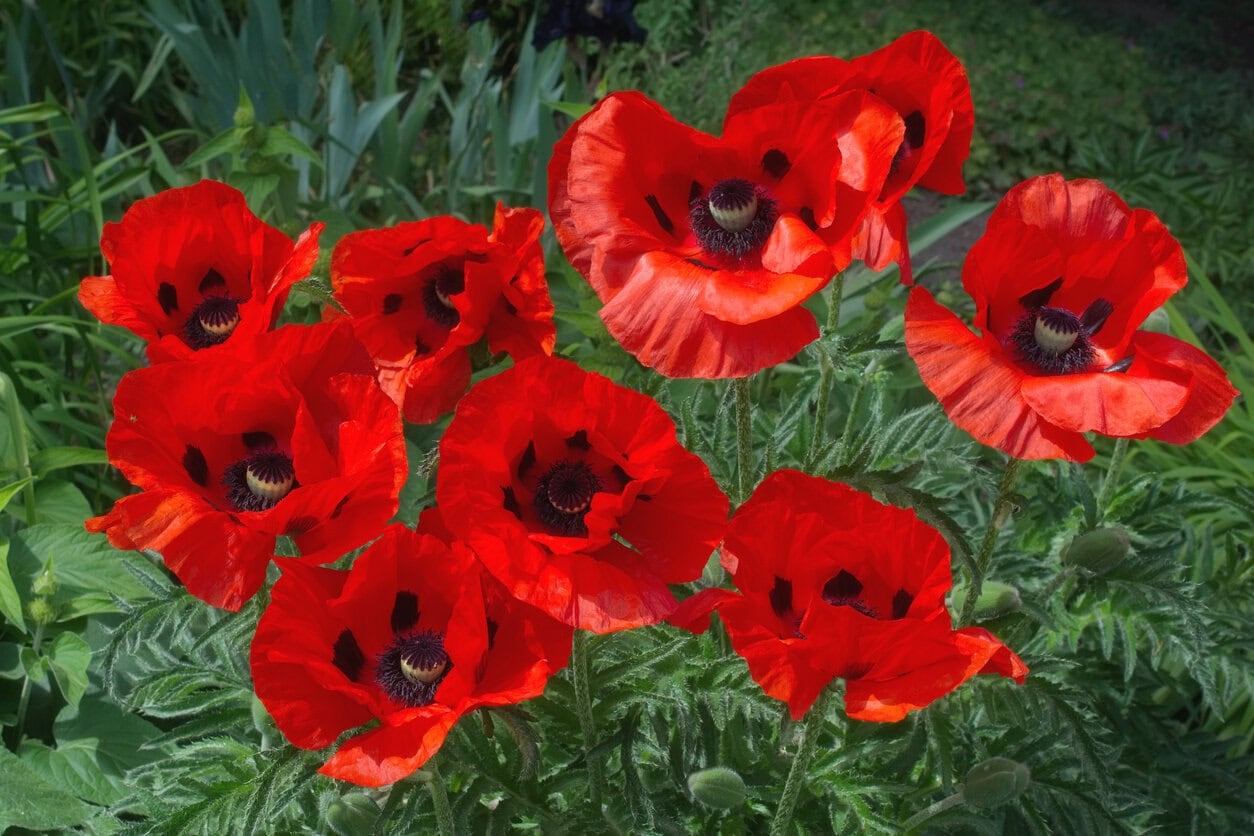
A massive and hairy mess of foliage is their trademark, but oriental poppies don’t need much help. I use a light, low-nitrogen feeding or compost during the thaw, just enough to support bloom production before they disappear entirely by July.
Quick tip: With poppies, less really is more. Heavy feeding gives me leaves fast, but lighter feeding gives better blooms.
3: Lavender (Zones 7-9)

Don’t kill it with heavy manure and too much water. I give up on traditional fertilizer entirely! Instead, I use a light dusting of lime or bone meal to keep the soil alkaline and strengthen the roots.
Showing up late is easy when someone else pays for the snacks.
While you’re out there feeding, here are the plants that should be pruned in February for healthier growth.
The Dirt on Dirt or Why Fertilizing in February Even Matters
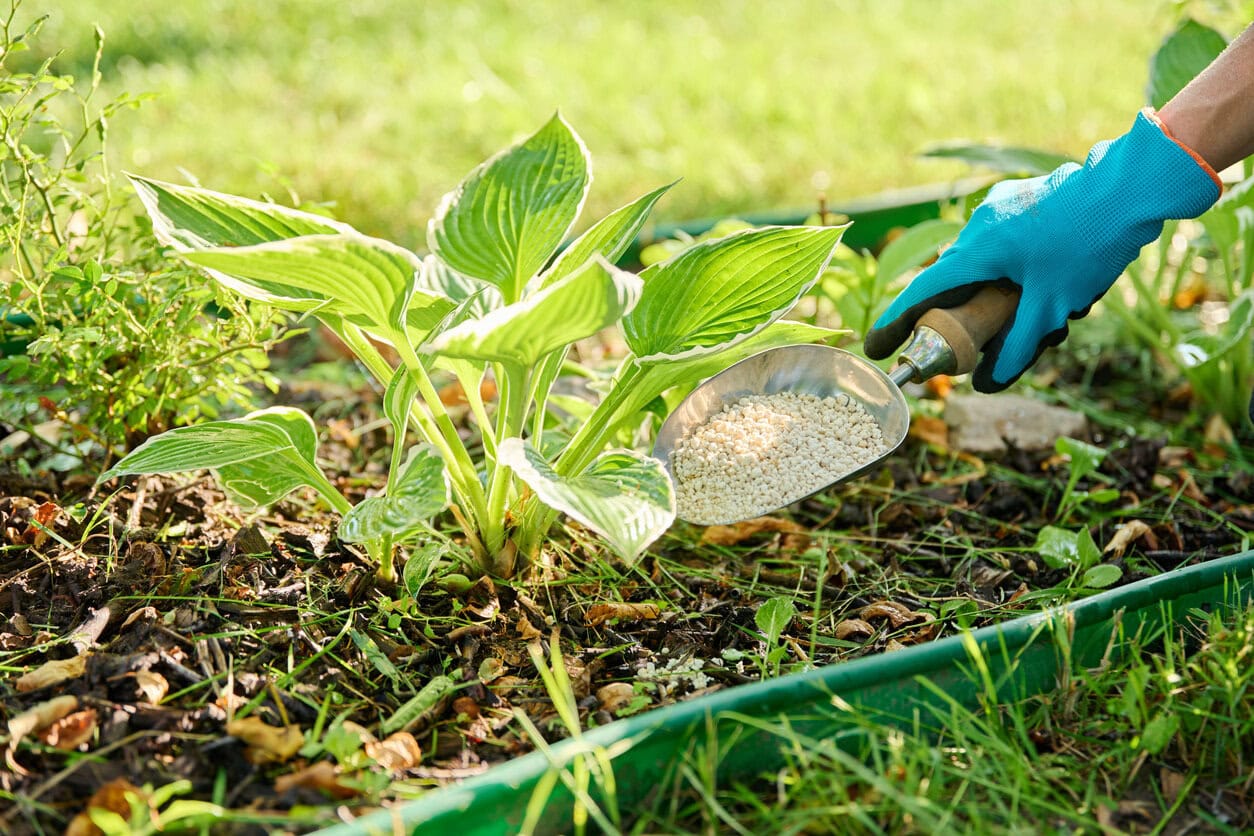
You might think tossing nutrients onto frozen mud is a fool’s errand… and if the ground is solid, you’d be right. But once winter starts to loosen its grip, the science of the thaw tells a different story.
The Natural Delivery Service
February offers a specific kind of meteorological magic that your garden hose cannot replicate. Rain and melting snow act as a free, specialized delivery service for your perennials.
As the soil begins to thaw, natural moisture carries the nutrients deep into the root zone exactly when the plants begin their subterranean hustle. Gravity does all the work while you stay inside with a hot drink.
The Low-Temperature Advantage
Since soil microbes move at a glacial pace during the winter, your organic fertilizer or slow-release granules have months to mellow out.
I usually sprinkle a small amount (roughly a quarter cup for established plants) in a circle like I’m warding off garden demons, then walk away. Your restraint prevents the chemical burn that happens when you dump jet-fuel fertilizer on tender and new growth in the heat of May.
Root Development Over Ego
Plants possess a better work ethic than most humans. Before they bother with flashy leaves or colorful petals, they focus entirely on root expansion.
Feeding them in February, as the soil begins to thaw, will keep the pantry full during this critical construction phase. By the time the neighbors notice your garden, the real work is already done, leaving your perennials to enjoy their inevitable spring glory.
And if you’re already thinking ahead, here are the flowers you can start in February and March for summer blooms.
The Survival of the Greenest
Success in the soil requires more than a Pinterest board and a dream because winter won’t last forever… though February certainly tries.
Provide your perennials with this early feast when winter loosens its grip so they wake up with purpose rather than a grudge. Just do the ten-minute work now while the ground is ugly. Then you can spend May convincing everybody your lush garden results from mystical talent instead of basic chemistry.
But, before you leave, if you want a clearer picture of what February planting looks like where you live, here’s everything you can plant in February by zone.

Hey there! I’m Dragana, an ecologist with a serious soft spot for soil and the magic that sprouts from it. My Adriatic garden is a bit of a wild bunch: aromatic herbs and roses doing their fragrant thing, juicy fruits and stubborn olive trees with a Mediterranean attitude. I’m here to unearth gardening wonders; are you ready to dig in with me?