Why Your Poinsettia Leaves Are Falling Off (And How to Save It)
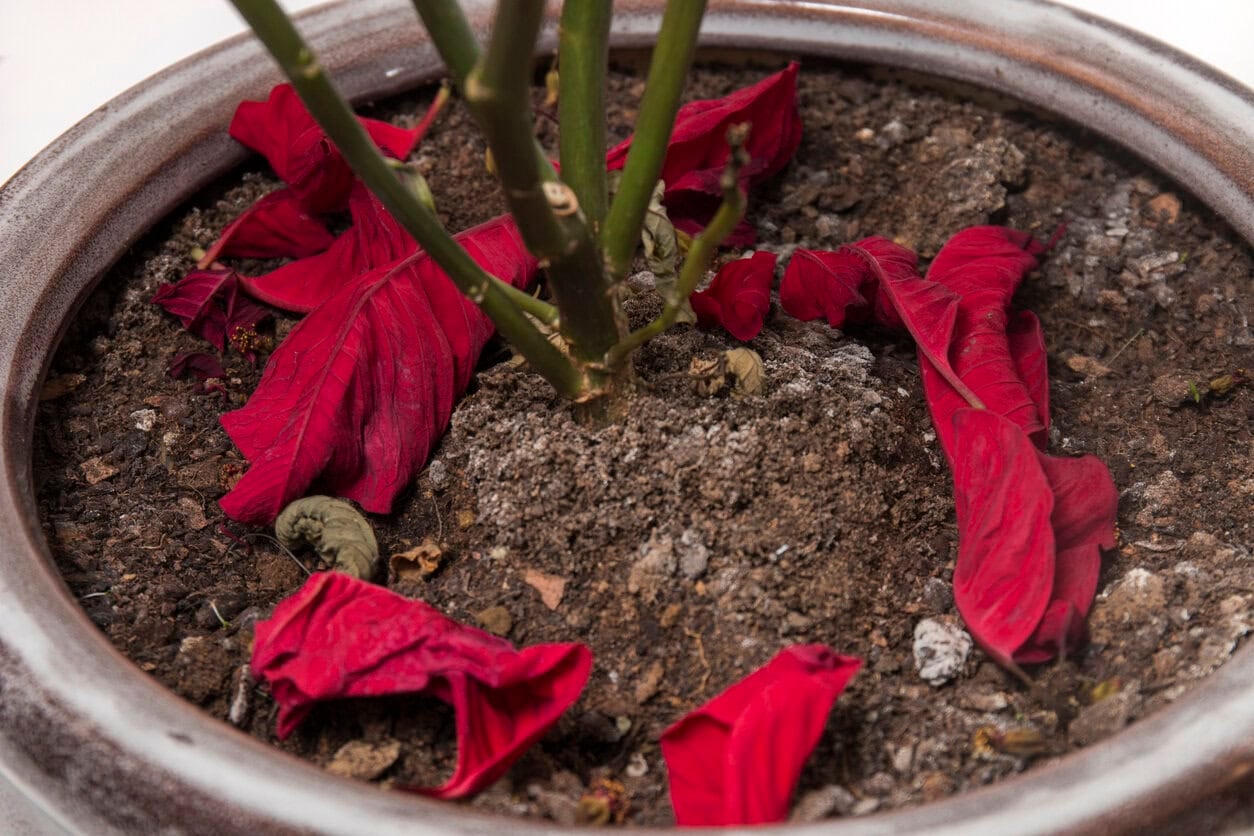
At one moment, your poinsettia was whole and bold, and now it looks like it’s gone through a hole and is bald. What happened? Poinsettias are overly sensitive to their surroundings, like an introvert with social anxiety.
Before you too panic and toss the poor thing into the compost heap, know this. They are not too hard to keep alive. They did not plan the leaf drop just to spite you for the holidays. When someone’s highly sensitive to change, you don’t give up on them but devise a rescue plan.
Culprit #1: The Great Temperature and Draft Caper
Poinsettias, like grandmas, hate sudden temperature changes. They are tropical plants, darlings, and they won’t tolerate being treated like an evergreen.
If you’d like to time holidays blooms perfectly, you’ll love this guide on how to schedule amaryllis planting for holiday flowers, another festive favorite that pairs beautifully with poinsettias.
The Car Ride Home
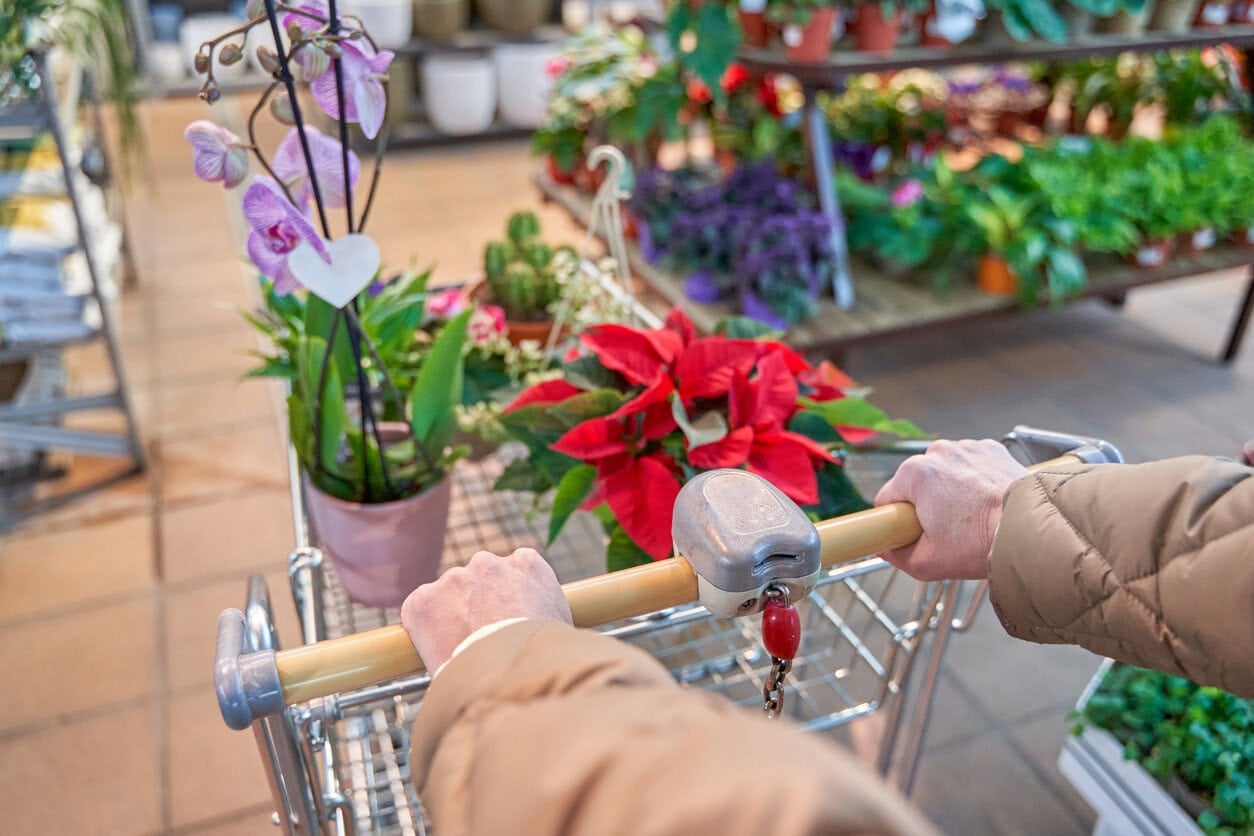
The first, sneakiest crime often happens right out of the gate: the journey home. Exposing the plant to thirty seconds of frigid air on the walk from the cozy garden center to your car is enough to shock it into a leaf-throwing frenzy.
If you didn’t wrap your new purchase securely, you likely committed the first offense.
Drafty Windows and Doors

Then there are the chronic attacks. Is your poinsettia parked right next to a drafty window or a perpetually opening door? Even a slight but cool breeze from an air vent will cause a fast and furious leaf drop. The plant feels the chill and tries to conserve energy by jettisoning its foliage.
The Hot Air Bomb
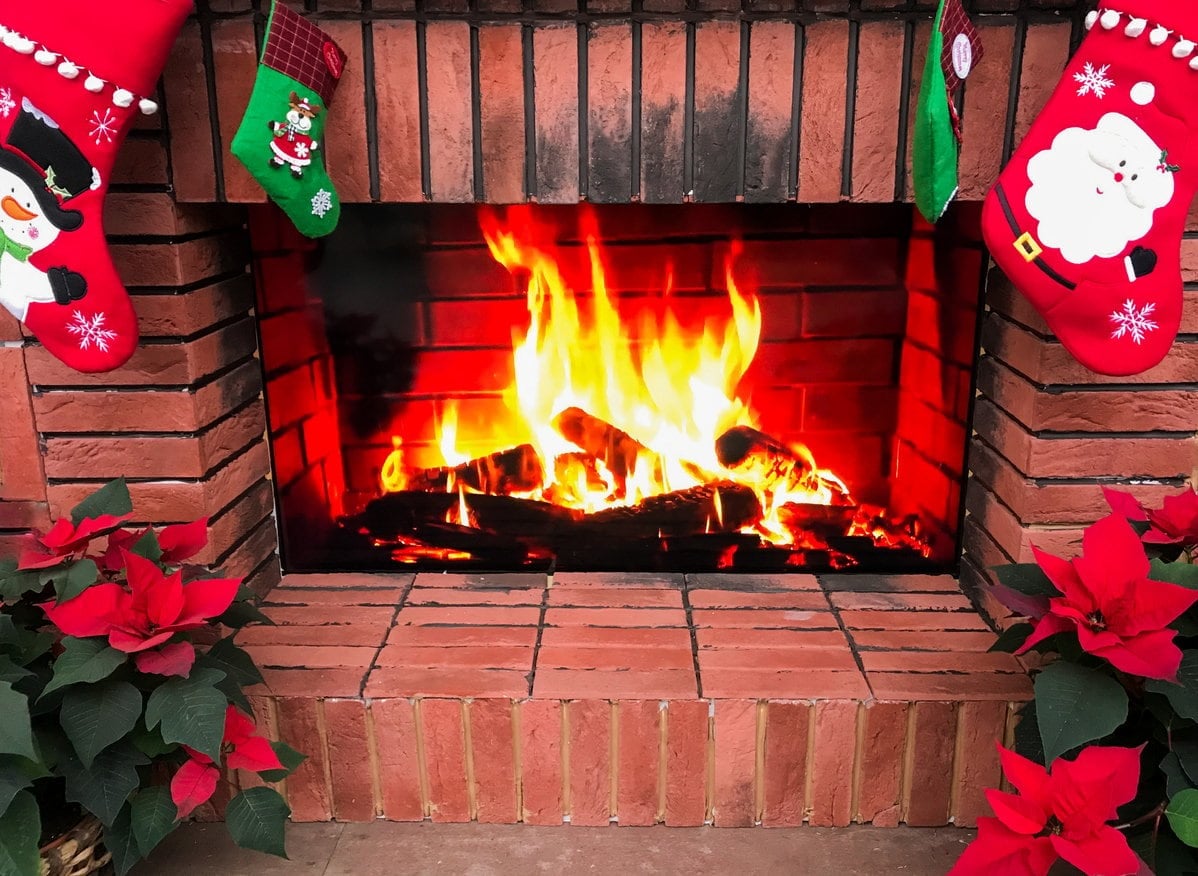
On the flip side, too much heat is just as offensive! Placement too near a roaring fireplace, radiator, or heat register is a classic, but easily avoidable, blunder. A harsh and dry environment causes the foliage to prematurely crisp and fall. It’s like a close encounter with a blow dryer. You don’t like your ears scorched either, do you?
The Solution #1
Superstars demand comfort. Deal with. You’ll need to maintain a steady environment between 65°F and 75°F (≈18°C and 24°C) and keep your Poinsettia away from sudden and rapid temperature changes. In other words, spread a red carpet to avoid red leaves littering the carpet.
Culprit #2: The Wet/Dry Root of All Evil
True, Poinsettias are dramatic, and ok, sensitive, too, but they’re completely unforgiving when it comes to hydration. So why do you treat this sensitive soul like a desert cactus?
And if you’ve got a Christmas cactus sitting next to your poinsettia, check out this Christmas Cactus Care Calendar, it’ll help you stay on top of watering and light needs for both plants all winter.
The Drowning
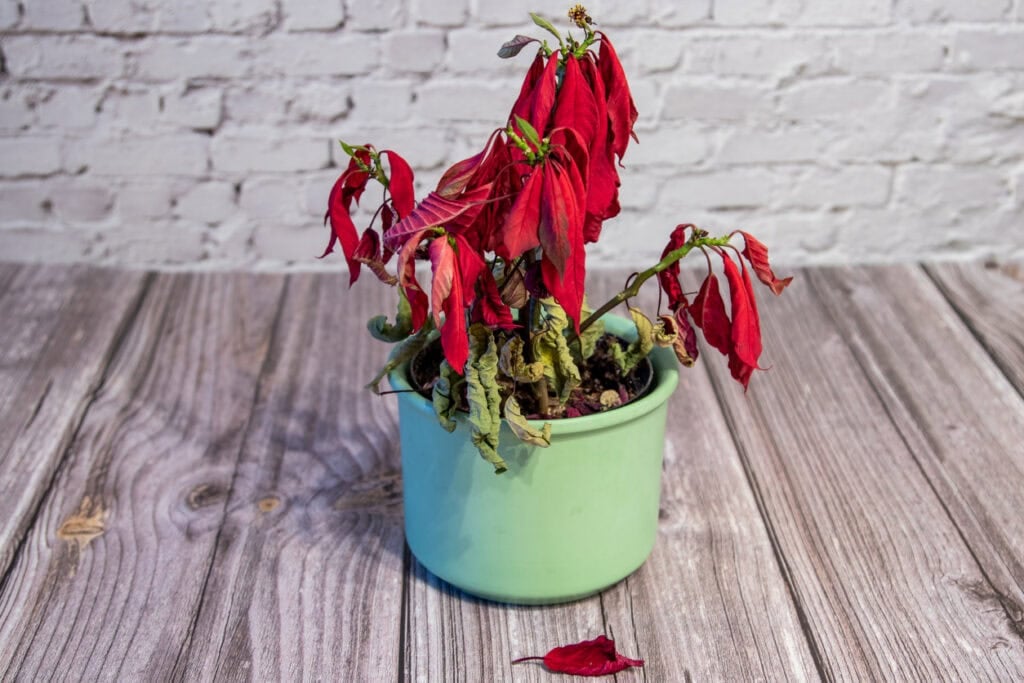
Most people accidentally kill their holiday plant with kindness. Quite tragic over-saturation prevents the roots from getting proper oxygen, which quickly leads to root rot, a silent, but deadly killer. The unfortunate leaves will often turn yellow or pale before they completely give up.
The fix is simple and quite crucial: remove the foil or decorative sleeve! Its pot must have plenty of drainage. Water your plant only and only when the surface layer of soil is truly dry to the touch.
The Desertification
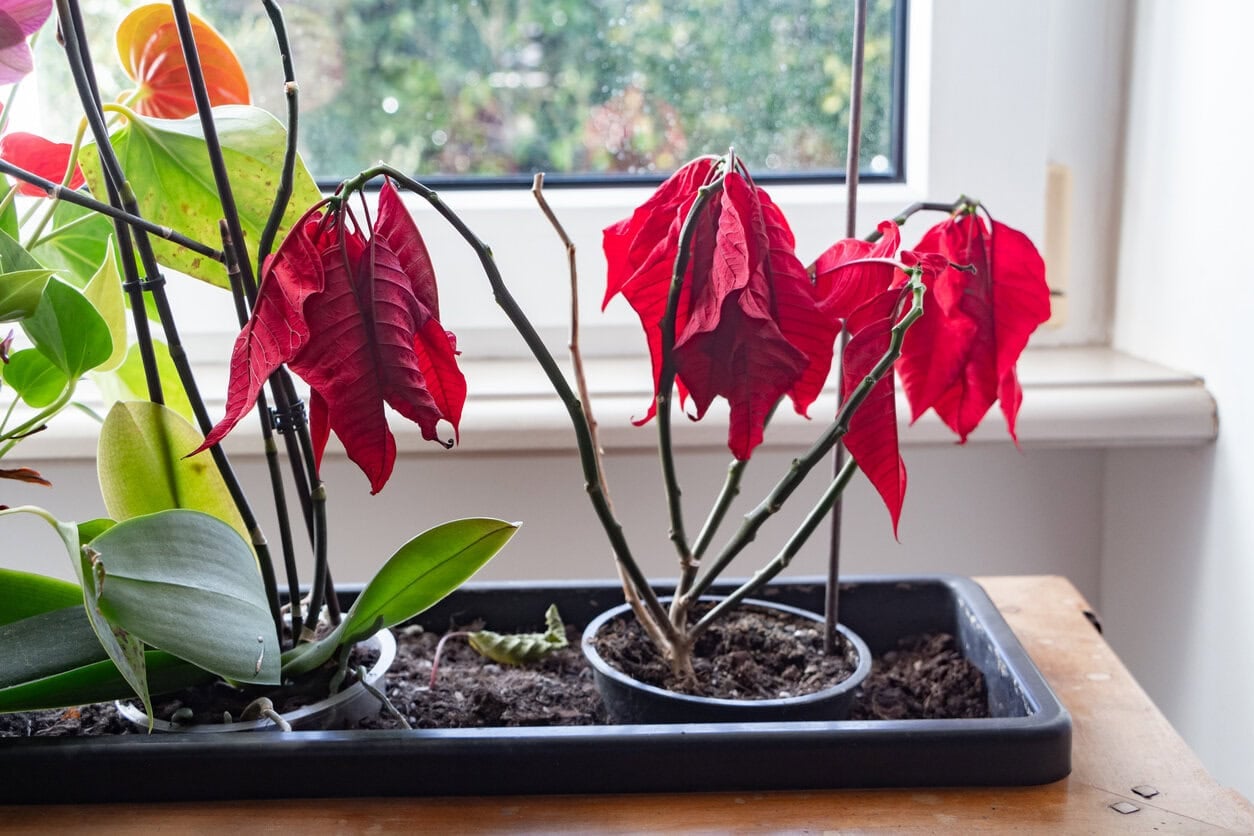
On the other hand, forgetting your poinsettia exists is just as offensive.
If the plant is so dry that the soil has pulled away from the pot’s edge, it is screaming for a drink. Just like a mom of three at noon. Your poinsettia panics, attempts a survival tactic, and drops its leaves to conserve what little moisture it has left.
The solution here is to be generous and prompt. Save it with a deep, thorough, and good watering until the water runs out of the drainage holes.
Wait about fifteen minutes, and then be certain to discard any standing water in the saucer. Do not let the roots sit and stew in the run-off because that defeats the purpose entirely.
The Solution #2
You must be consistent and smart about your watering. If you need a mnemonic, have this: Moist is Magnificent, but Soggy is Suspect, and Desert-Dry is Devastating. Treat your plant like a tired mom, not a fish!
Culprit #3: Light, Camera, Action
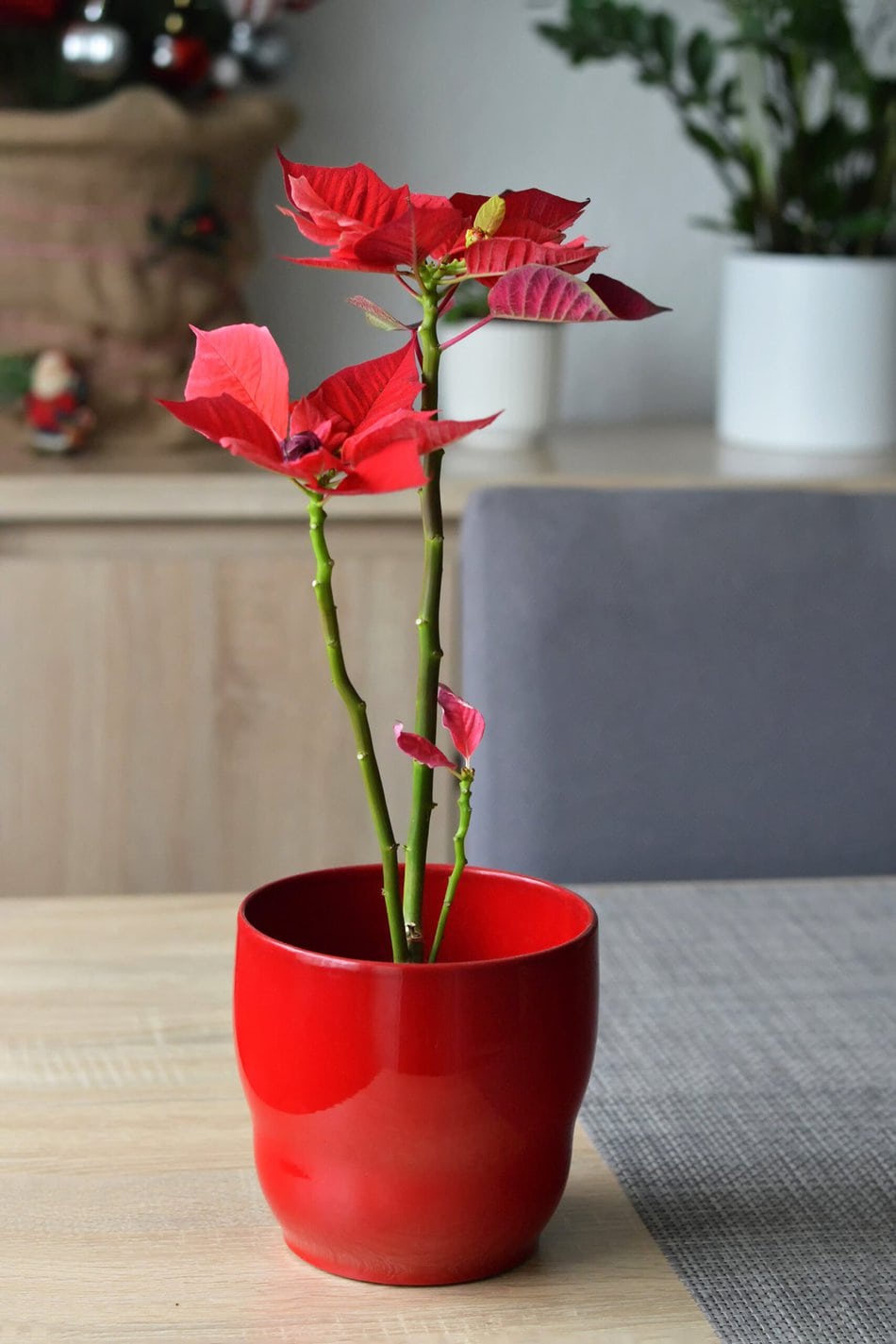
Poinsettias were not born to sit in a dimly lit corner. If your plant is hiding in the shadows, it is working overtime, and that is just not fair.
The Seasonal Depression
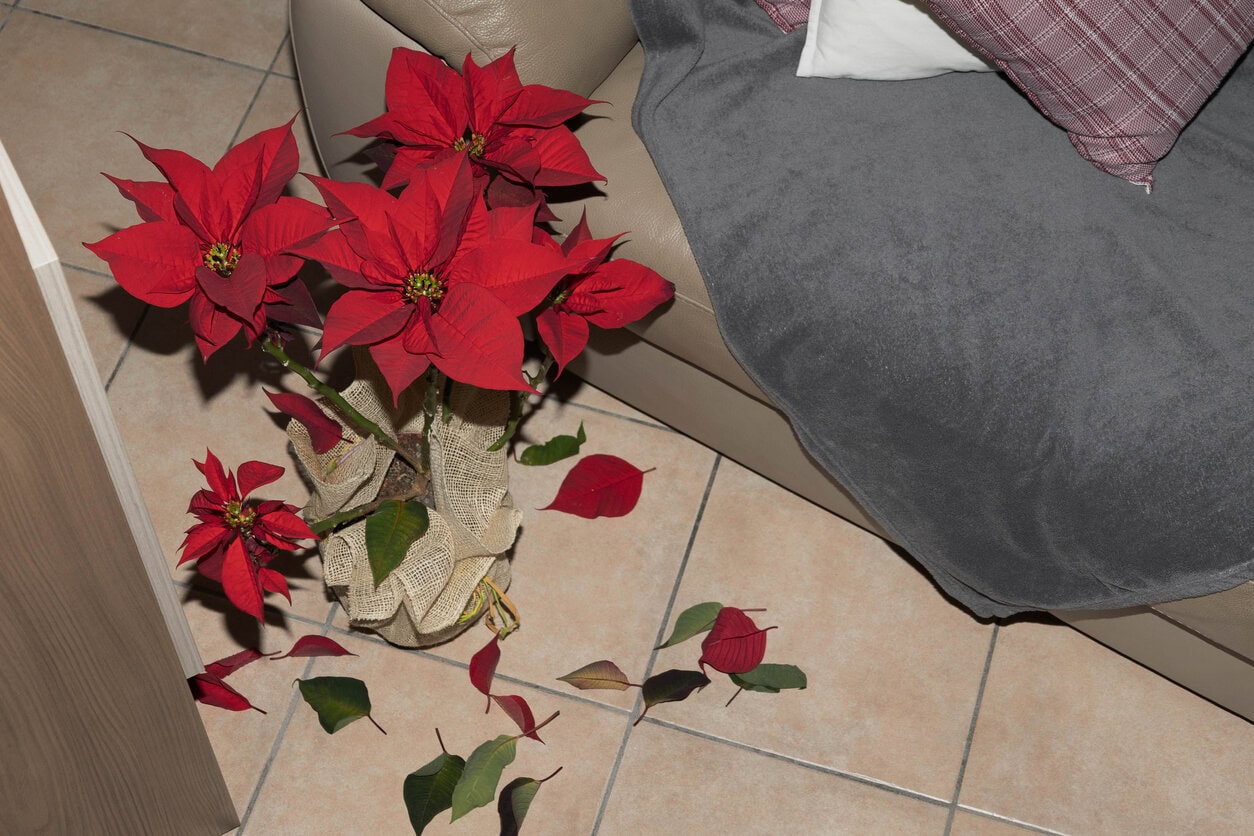
Your poinsettia knows it is winter, but it is not built for the murky daylight hours of December. If you place it away from a window, it’s like sending a model to a Lapland photoshoot. The light is weak and utterly insufficient.
Lacking adequate filtered natural light, the plant basically throws up its hands and decides to hibernate early. It deliberately pulls all resources back, and that means sacrificing the colorful leaves you paid for in a desperate bid to survive the dark.
The Window Wardrobe Malfunction
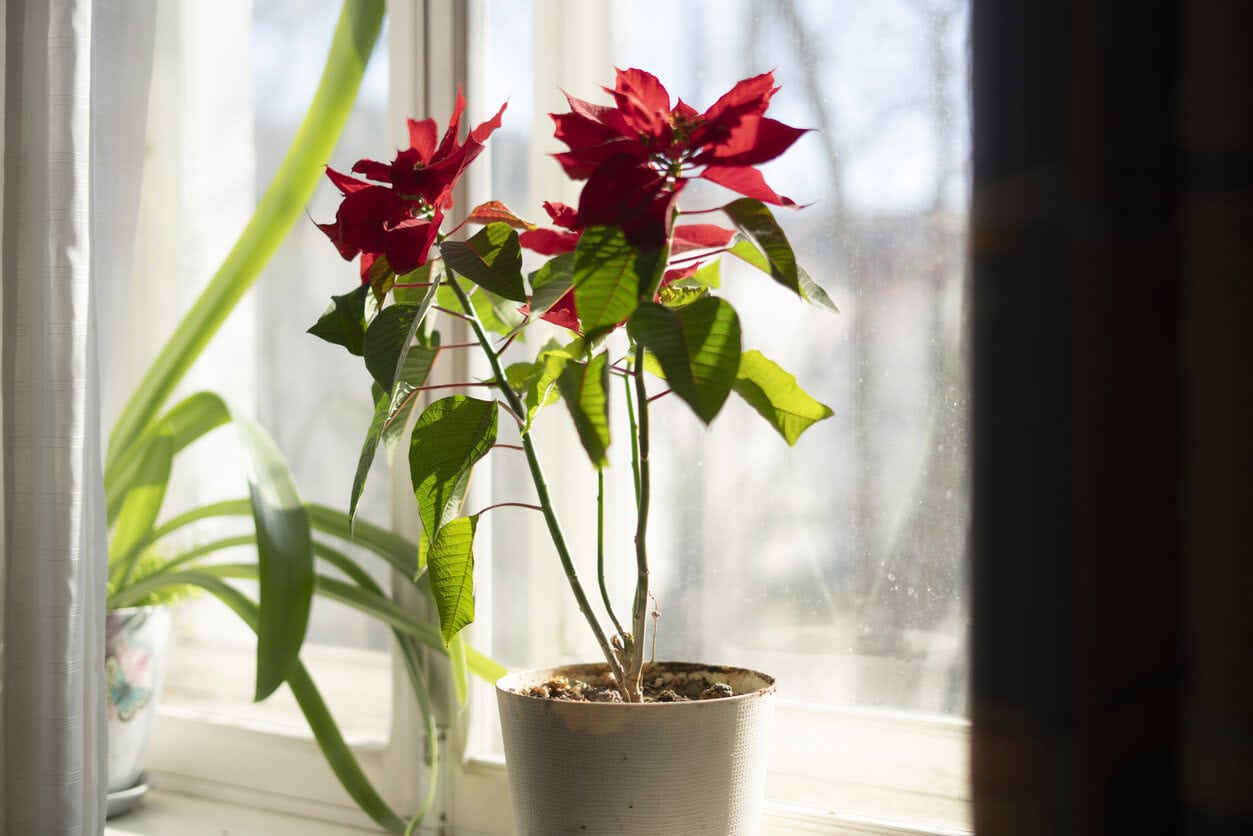
The opposite extreme is just as tragic and twice as silly. You put the plant right against a south-facing window, thinking, More light is better! Nope.
Winter sun streaming through a cold pane creates a magnifying glass effect and an extreme temperature variance. It basically flash-fries the delicate bracts. The resulting brown scorch marks and rapid leaf drop are not a sign of dryness but of a nasty burn.
The Solution #3
Find the Goldilocks zone. Locate the best east or west window you can find, and put a thin curtain or a white paper shade between your treasure and the glass. Give it a minimum of six hours of bright, yet soft, diffused daylight every day.
Once your poinsettia has recovered, you can start preparing it for its next big show. Here’s how to make your poinsettia turn red again for Christmas, it’s easier than most people think.
The Poinsettia Rescue Plan
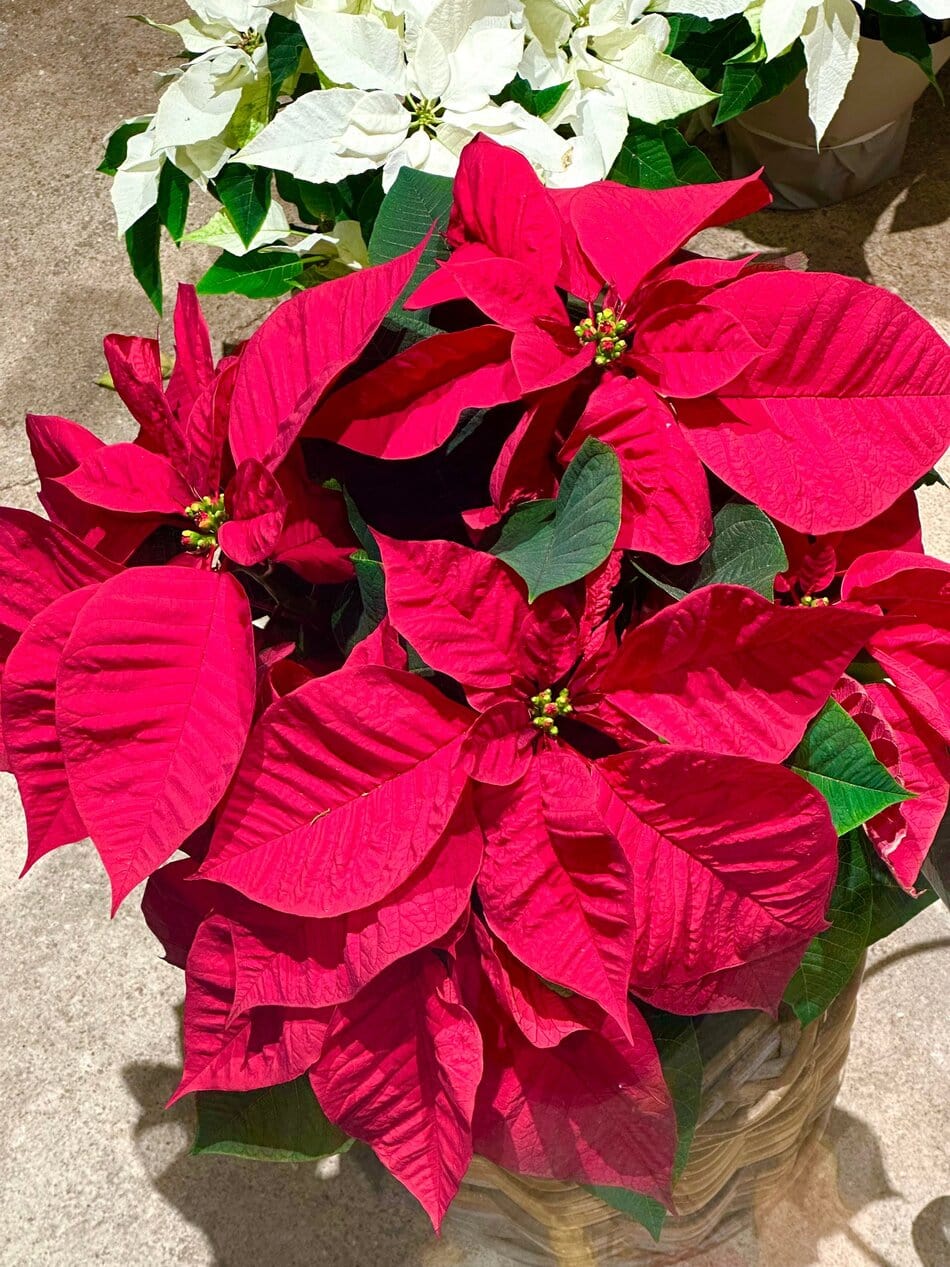
Do not beat yourself up over a few fallen poinsettia leaves because it is almost always a direct reaction to a sudden change in its environment. Was it a cold draft, a heat vent, soggy soil, drying out, direct sun, shady corner? Nurse, give patientsettia these 3 units of Consistencyl to calm down its tropical anxiety.

Hey there! I’m Dragana, an ecologist with a serious soft spot for soil and the magic that sprouts from it. My Adriatic garden is a bit of a wild bunch: aromatic herbs and roses doing their fragrant thing, juicy fruits and stubborn olive trees with a Mediterranean attitude. I’m here to unearth gardening wonders; are you ready to dig in with me?