12 Perennials You Should NOT Cut Back in March
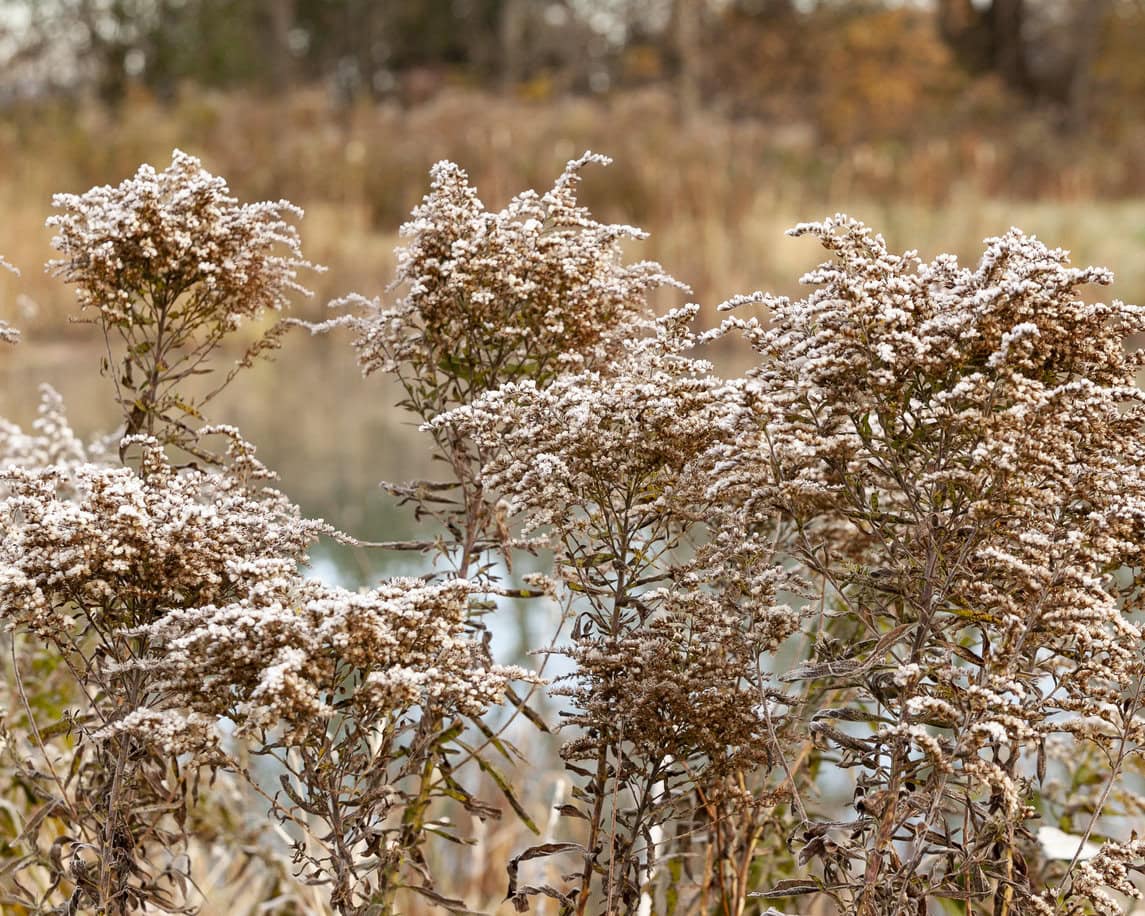
The thermometer hit fifty, and suddenly you want to go full barber on your garden. But cutting everything down now is kind of a rude gesture to every bee currently snoozing in a hollow stem.
If you want flowers in June, it helps to remember that some of your pollinators are literally overwintering in the very “dead” growth you’re about to destroy. March cleanup can wait. Make it make sense, Brenda.
This advice is especially important if you garden in a frost-prone climate (roughly USDA Zones 3-7), where March is still winter in disguise.
March is for Mud, Not Perennials in the Nude
March sun is like a cheap tequila: it makes you do things you’ll regret when the frost returns. Don’t drink and prune these! I’ve learned the hard way that early cleanup usually isn’t “productive”, it’s just premature. These perennials are better left standing until spring actually settles in.
If you’re itching to prune something right now, we actually wrote an article about plants you should cut back before March, so you can stay productive without wrecking your summer blooms.
1. Milkweed

Late to the party, this stubborn perennial keeps its pajamas on until the soil actually warms up. In my garden, milkweed is one of the last plants to show signs of life, sometimes not until May.
Those brittle, upright stalks are more useful than they look. They mark where the crown is hiding so you don’t accidentally step on it while pulling early weeds. I leave them alone until I see new growth at the base.
And those hollow stems? They’re not just dead. Many native bees use them as overwintering shelters. The same bees your garden will rely on later in summer!
2. False Indigo

Dried pods and stems may look useless, but they’re often the only thing standing between early buds and a brutal March wind and sudden cold snaps.
In my experience, the plant does better when I leave its old growth in place a little longer, especially during the chaos of spring temperature swings.
If you scalp it too early, it may not bounce back as quickly, and you can end up with a smaller, slower-to-fill-out plant by early summer.
And if you really need to scratch the pruning itch, we explain exactly which shrubs you can safely prune before spring growth starts, since shrubs and perennials play by very different rules.
3. Joe Pye Weed

Eutrochium’s hollow stems are high-rise apartments for solitary bees tucked away inside. A sudden March thaw makes you want to scrub the garden, but I promise that move evicts the beneficial insect still overwintering there.
Patience pays off here. Leaving the stems standing allows them to catch the falling leaves, which builds a natural insulation layer around the roots during late cold snaps.
Keep your hands in your pockets until the occupants move out!
4. Blue Star
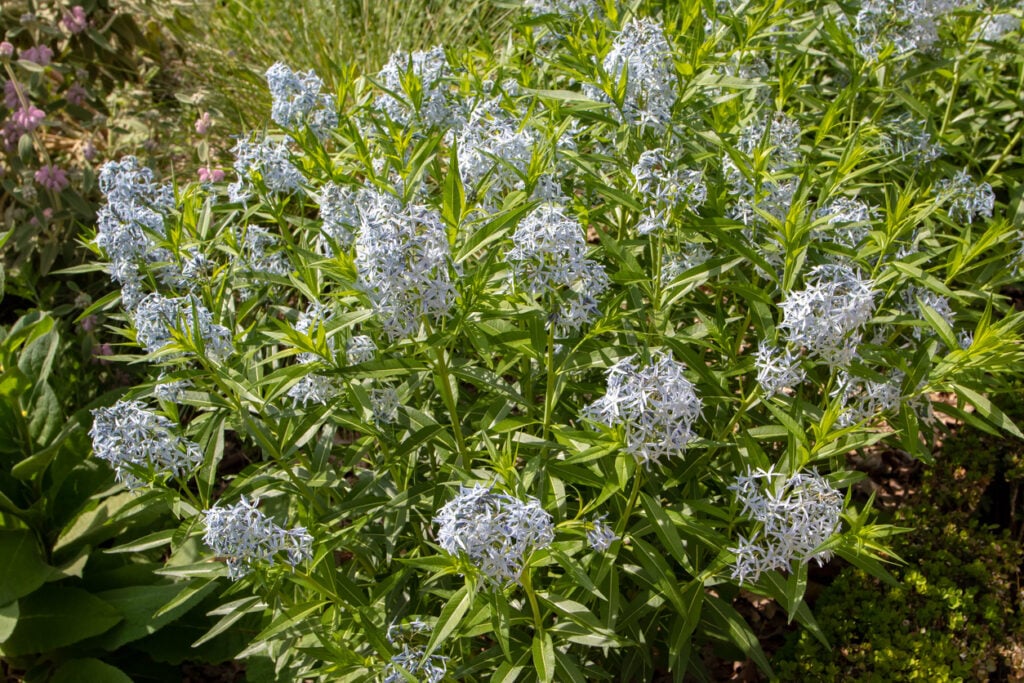
That feathery foliage may turn into golden straw, but it’s still doing a job. In colder climates, leaving it in place can help protect the crown during late-season frost heave.
I’ve noticed that leaving the structure intact a little longer helps the soil temperatures stay more stable, so the crown is less likely to shift as the ground expands and contracts.
Respect the clutter so you don’t end up with a lopsided plant later… and a broken heart.
5. Penstemon

It may look tattered in March, but its foliage is actually protecting the crown while the temperatures fluctuate. In my experience, penstemon handles late winter much better when I leave the old growth in place a little longer.
Warm spells can trick the plant into pushing out tender new growth too early. Let’s say you prune now. The plant starts growing. The temperature inevitably drops. That soft new growth takes the hit, like a frozen pipe bursting at the worst possible moment. Just great.
6. Goldenrod
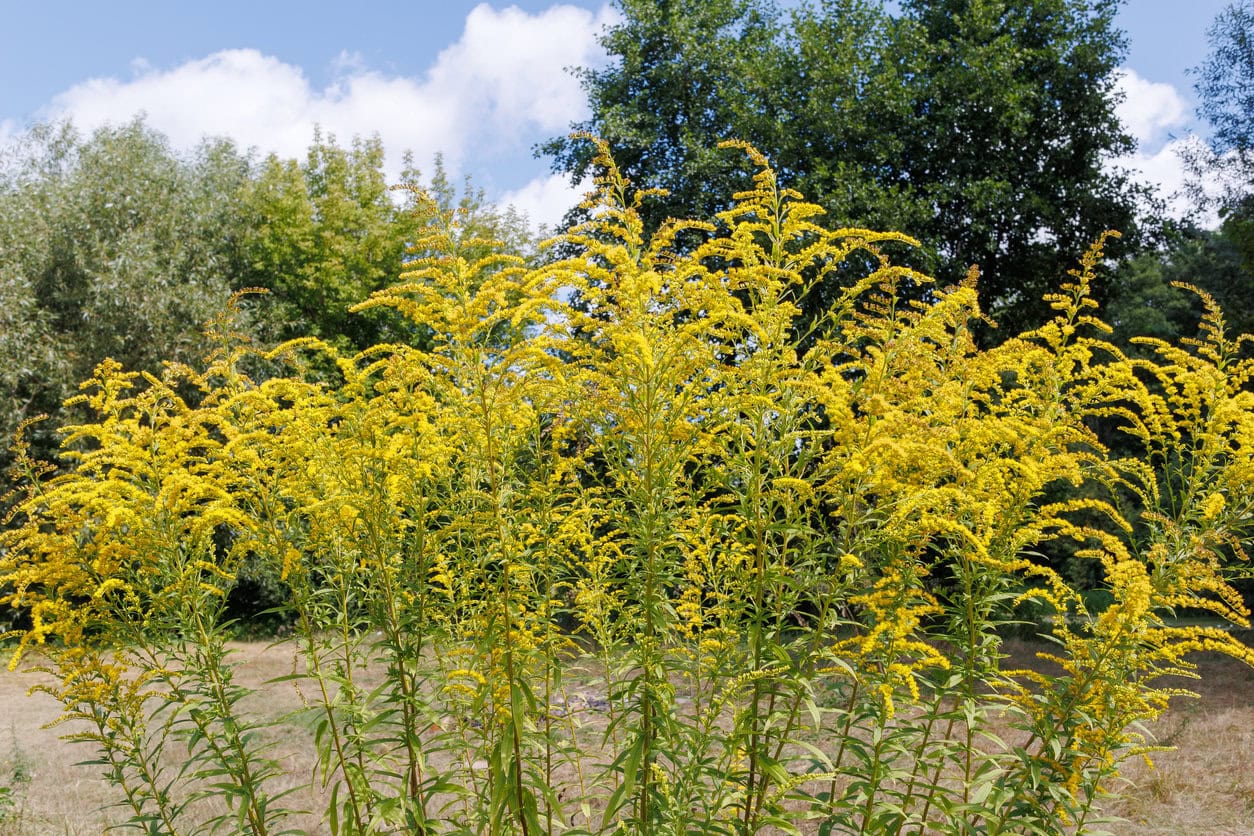
Keep the Goldenrod upright a little longer to support wildlife that return in early spring, when energy reserves are low. I’ve watched birds pick through the spent flower heads for seeds before much else is available.
Beyond feeding birds, the rigid stems also help protect the emerging basal rosettes at the base of the plant. Leaving the old growth in place can buffer the crown from heavy spring rain and temperature swings.
It may look disorganized, but that structure serves a purpose. Nature usually has one: survival.
7. Liatris

Voles view these dormant corms as a tasty underground snack, but standing stalks can act as a clever tactical decoy, making the plant less of an obvious target.
More practically, leaving the brittle wands intact keeps you from losing the plant’s location and accidentally digging or stepping right through the crown. I’ve done it once. That was enough.
The old stems can also catch a bit of blowing snow or leaf litter, offering light natural insulation and helping the soil stay evenly moist during dry, windy weather.
8. Hardy Hibiscus

This tropical-looking giant is a world-class sleeper. In my garden, hardy hibiscus is usually one of the last perennials to wake up, long after the neighbors’ plants are already blooming.
The thick stems aren’t just dead sticks. They can help shield the crown from temperature swings and heavy spring rain while the soil is still cool.
I’ve learned not to panic and dig around looking for signs of life. Hardy hibiscus really does wait for consistent warmth before emerging, so clear the old stems only AFTER you see new growth starting.
If you want the opposite kind of plant, we put together a list of perennials that wake up first in spring, and they’ll give you something to look at while hibiscus takes its sweet time.
9. Turtlehead
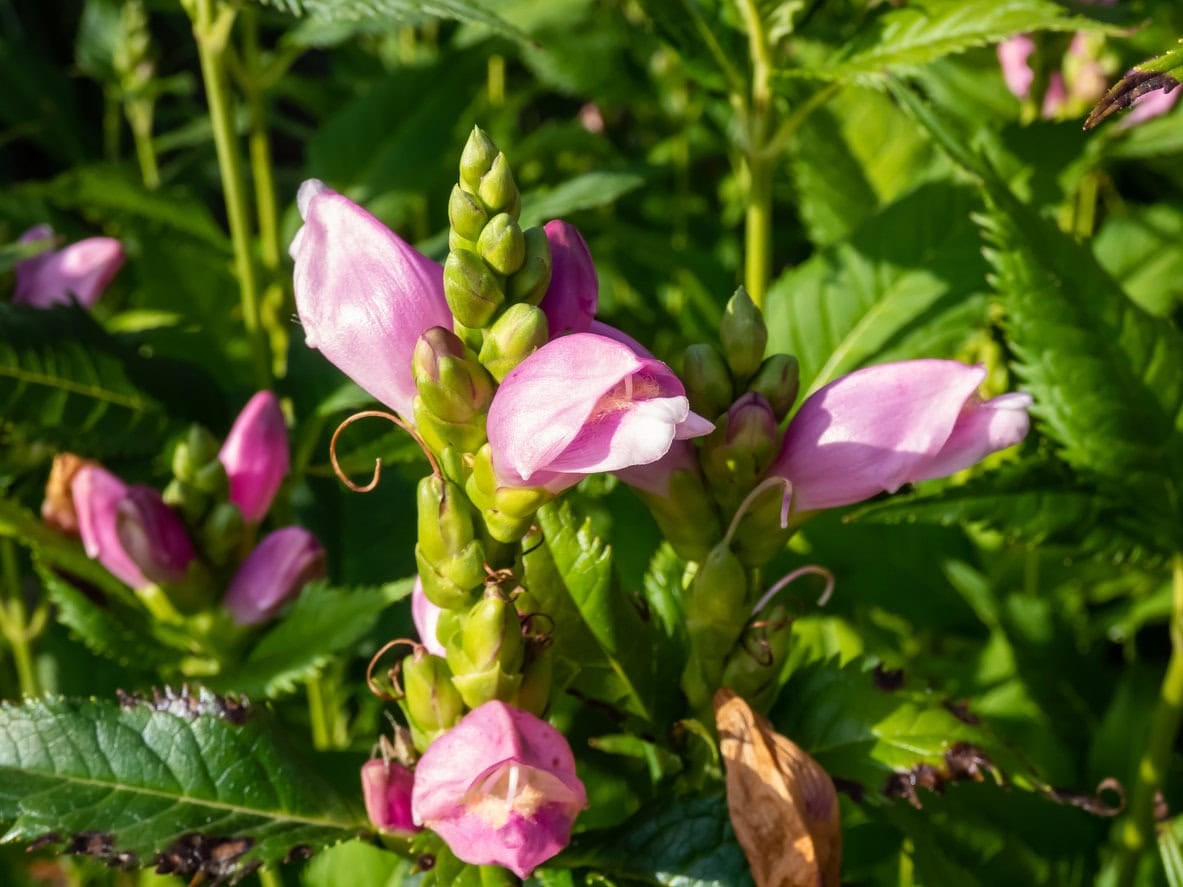
Chelone (turtlehead) is a moisture-loving perennial, and I’ve found it appreciates a little leftover plant material around the base in early spring. That decaying growth helps shade the soil line and hold onto humidity while the weather is still unpredictable.
If you clear everything too early, the sun and wind can dry the surface out fast, especially in exposed beds. A bit of natural debris acts like a light mulch, keeping the roots cooler and the soil from crusting while the spring weather is still bipolar.
Leave the cleanup until you see fresh shoots pushing up confidently.
10. Bergenia
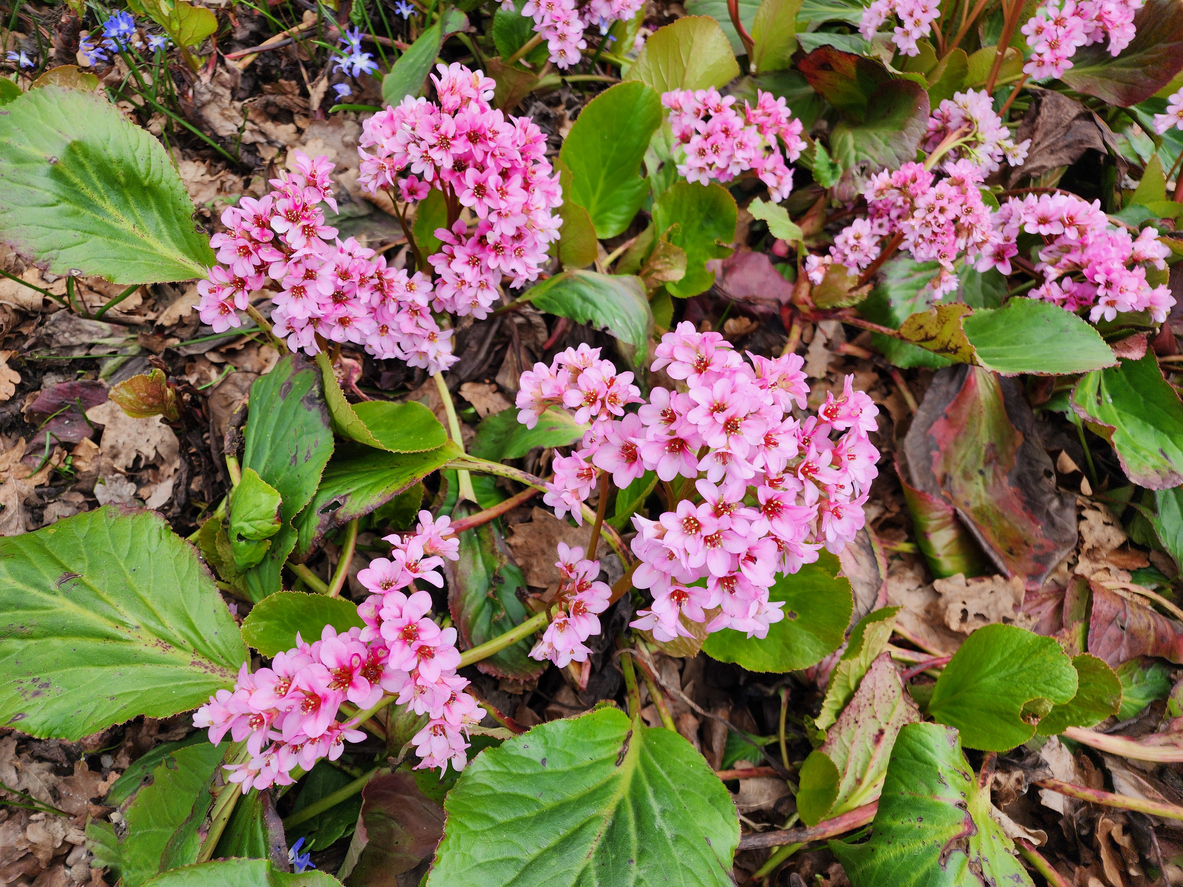
Those leathery leaves turn a deep burgundy in winter, and they’re doing more than just looking dramatic. They help protect the developing flower buds at the base and continue storing energy for spring growth.
I’ve seen gardeners ruin their spring flowers by removing this foliage too early in March. Because once you expose those tender tips to a late frost, they can get damaged pretty quickly.
Leave the leaves in place until you see flower stalks clearly emerging, then tidy up carefully.
11. Epimedium
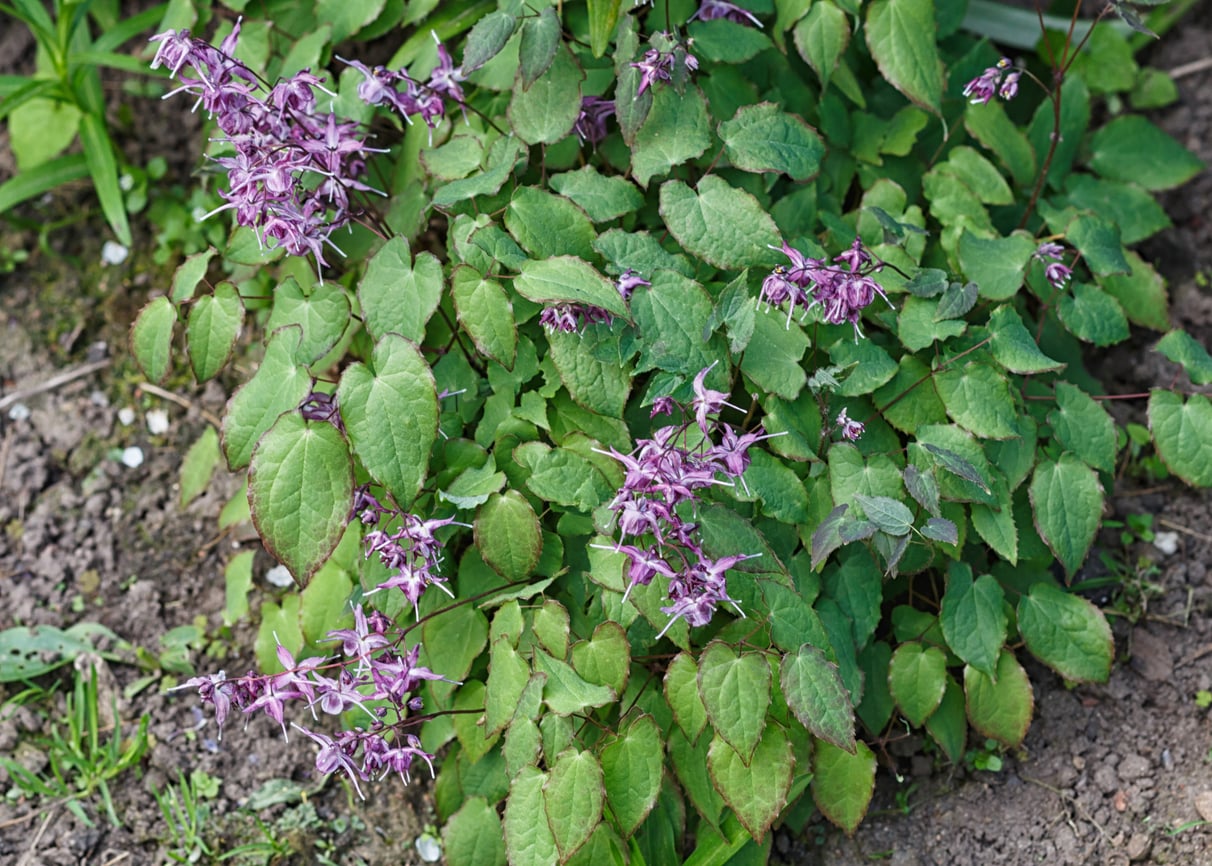
Barrenwort’s wire-thin stems may look fragile, but it does provide some protection for the emerging fairy-wing blossoms underneath.
In my garden, timing is everything with epimedium. If you cut it back too early during a warm spell, you risk exposing tender buds to drying winds and a surprise cold snap. But if you wait too long, you’ll end up snipping off the flowers themselves.
The trick is to trim the old foliage in late winter or very early spring, right before the new blooms fully rise above the leaves. Think careful haircut, not full shave.
12. Sedum

Ground-dwelling beetles often use the base of Sedum’s stems for early-season shelter. Those old stalks also act as small windbreaks for the succulent rosettes forming at the base.
I don’t rush to remove this structural debris in March. Exposing those water-filled leaves too early can make them more vulnerable to freeze-thaw cycles, which can leave the plant looking mushy and damaged.
Once you see steady new growth and the weather settles, that’s your cue to tidy up.
So… When Should You Cut Them Back?
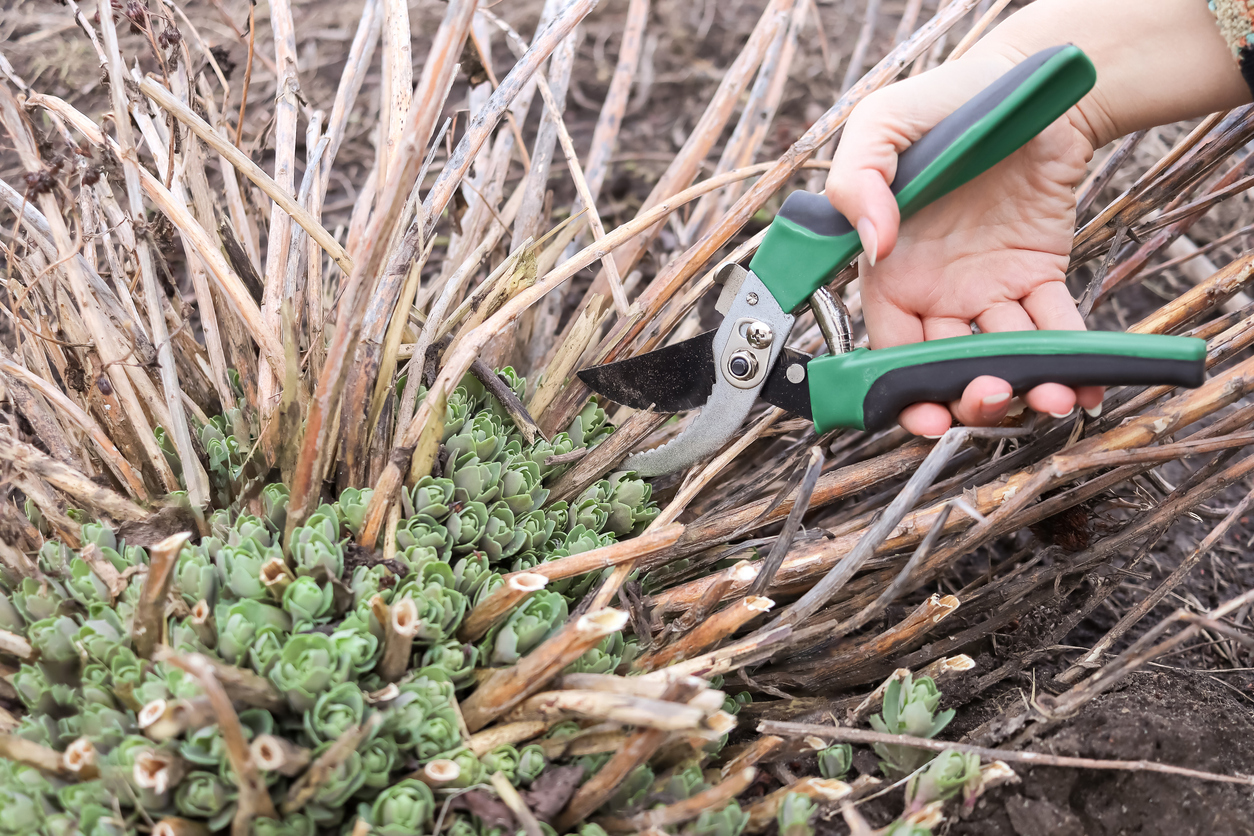
Before you grab the pruners, wait for steady warmth. In my garden, I don’t cut most perennials back until daytime temperatures are consistently above 50-55°F and I can see new growth pushing up at the base. By then, most overwintering insects have moved on, and the plants are ready to grow.
Early spring isn’t a race. A little patience now usually means stronger plants, more pollinators, and fewer regrets in June!
We also wrote an article about plants you shouldn’t cut back in fall, because birds and other wildlife depend on that leftover structure all winter long!
Rabbit Season
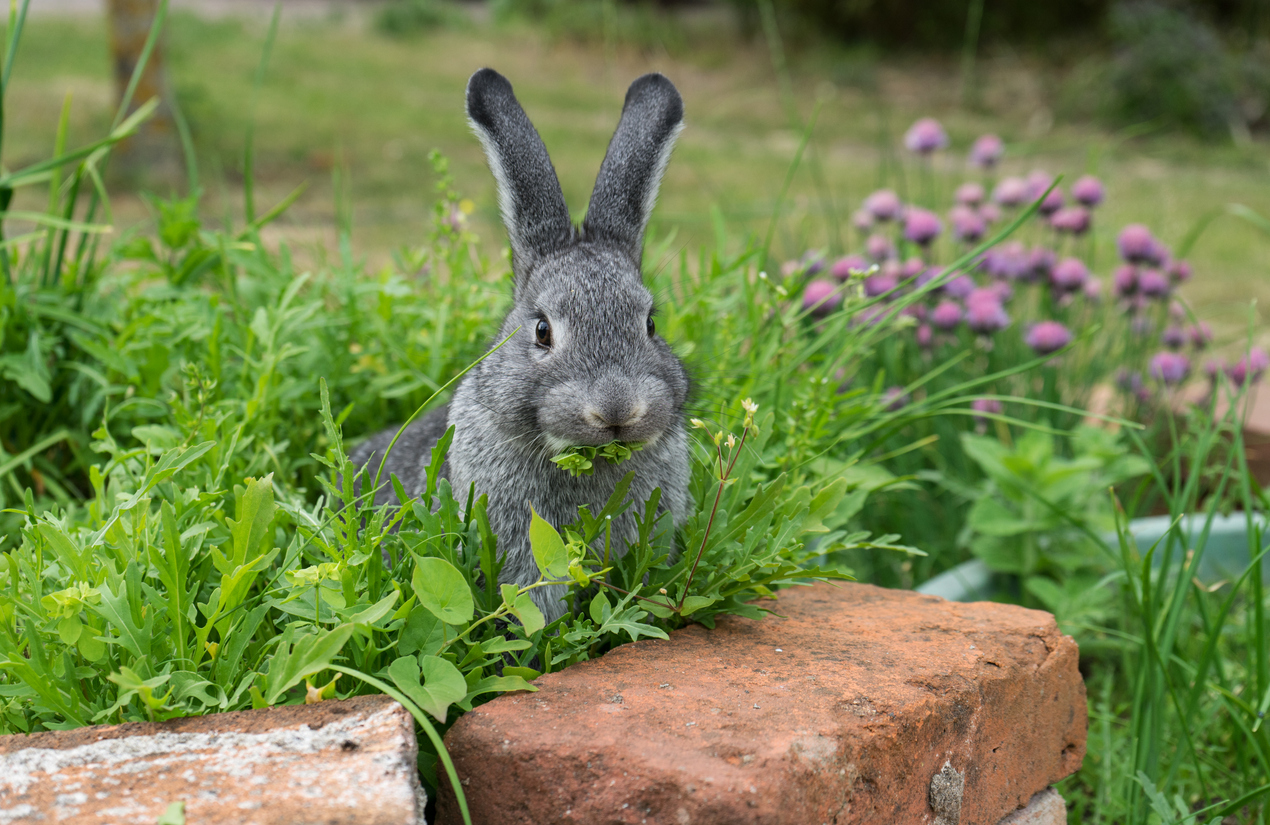
Beyond the frost protection, I leave the stalks up as a low-budget security fence. Let’s talk about the four-legged lawn mowers currently eyeing your yard.
New growth is often bright green or purple. Basically a neon sign for hungry rabbits! First, old leaves and stems are a perfect camouflage. Second, for a rabbit to get to the tender new shoots, it has to push through a thicket of dry, poky stalks.
They tend to prefer soft, easy snacks, not woody or fibrous leftovers. In my experience, leaving some texture behind makes your garden just annoying enough that they often move on to something simpler… like your neighbor’s freshly scalped lawn instead.

Hey there! I’m Dragana, an ecologist with a serious soft spot for soil and the magic that sprouts from it. My Adriatic garden is a bit of a wild bunch: aromatic herbs and roses doing their fragrant thing, juicy fruits and stubborn olive trees with a Mediterranean attitude. I’m here to unearth gardening wonders; are you ready to dig in with me?