What To Cut Back Vs Leave Standing in a Late Winter Garden
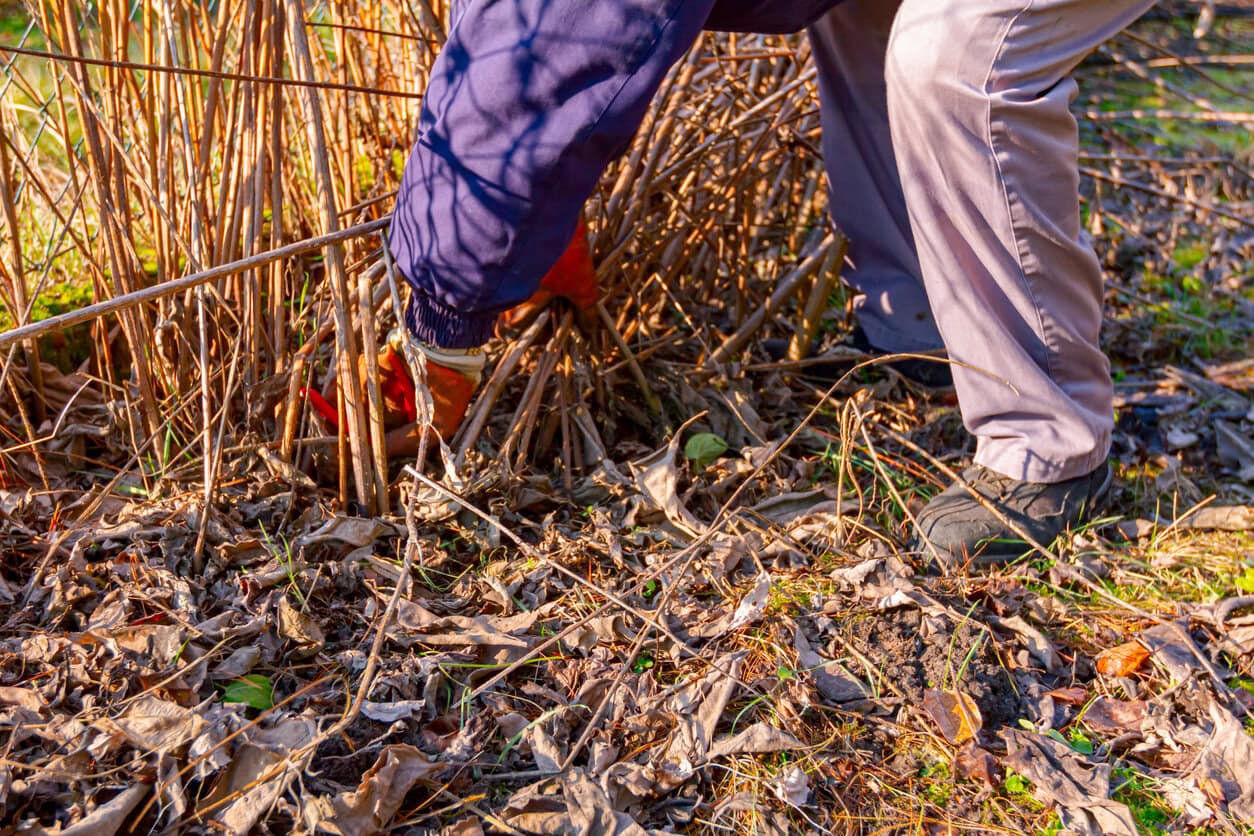
Winter interest is often just a polite way of saying pretty sticks, and self-seeding describes plants that aggressively expand their territory.
These terms dictate my late-season strategy: deciding which stalks face the final chop and which are spared for another month.
By now, I’ve learned that late winter is where the real decisions happen. So grab your bypass loppers and a thermos of coffee. We’ve got some pruning calls to make.
My early years behind the pruners (and a few dead hydrangeas…) taught me pruning is all about timing. Cut too early and plants suffer. Wait too long and you risk damaging fresh growth.
In late winter, I aim for clean cuts just before the sap starts moving. It’s the sweet spot where plants are still dormant but ready to respond once spring arrives.
1: Ornamental Grasses
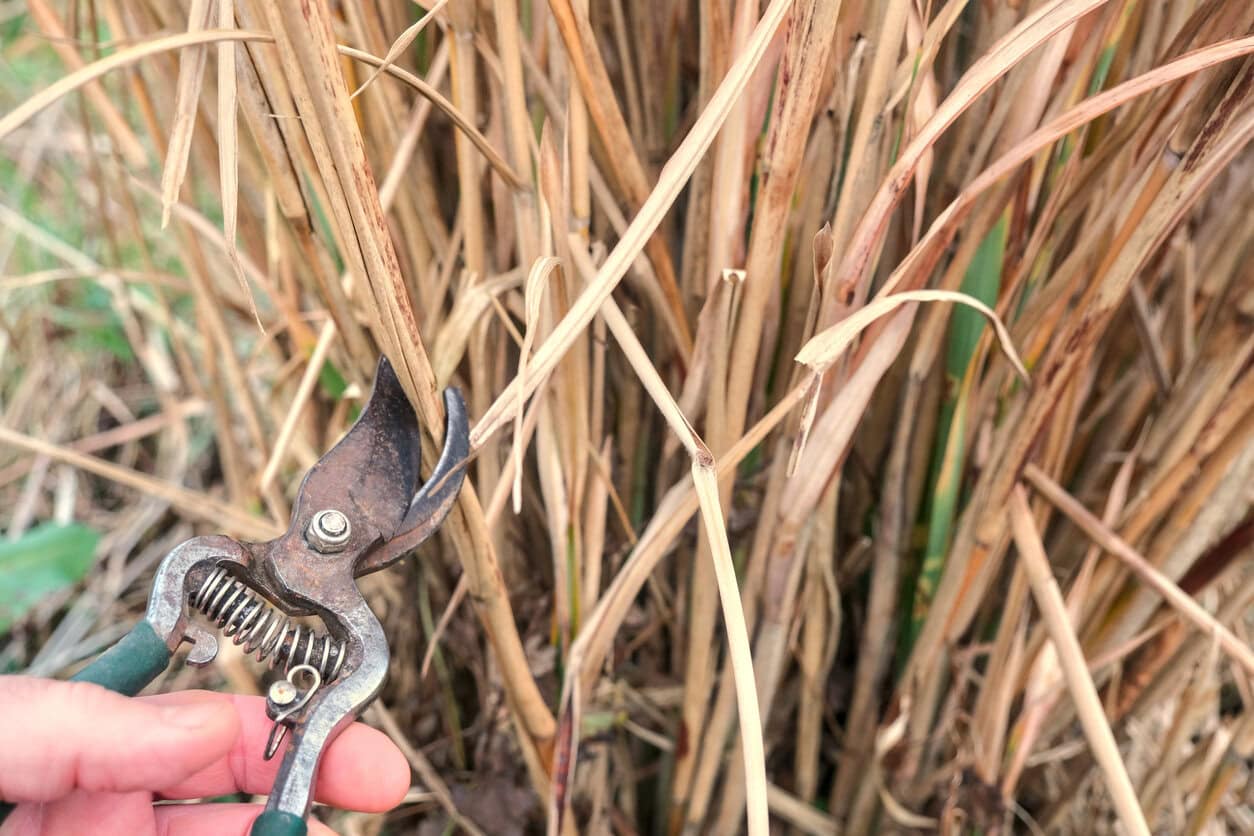
Watching dried Miscanthus tumble across my lawn is only fun for the first five minutes. After that, it’s just a mess. I gather the stalks into a bundle and cinch them with a bungee cord or just some sturdy twine.
Once bundled, I cut straight across the base, leaving about four inches of stubble. In my experience, this gives the plant a clean reset without risking damage to the crown.
If you wait too long, you’ll end up cutting around new green shoots, which is tragic for the plant’s shape.
Quick note: If you see new green growth already emerging, it’s time to stop cutting and let the plant take over from there.
2: Clematis

I cut my Group 3 clematis back to about 12 inches from the soil, always just above a pair of healthy buds. These specific varieties only flower on the fresh growth they produce in spring, so holding back doesn’t pay off.
When pruned properly, the plant focuses its energy on building a thick, low-branching foundation rather than wasting energy on the brittle tangle from last year. Fortune (of flowers) favors the bold (gardener with sharp bypass pruners).
If clematis still feels confusing, we wrote a detailed guide explaining how to tell which group you have and exactly how to prune it so it keeps blooming all season.
3: Hosta
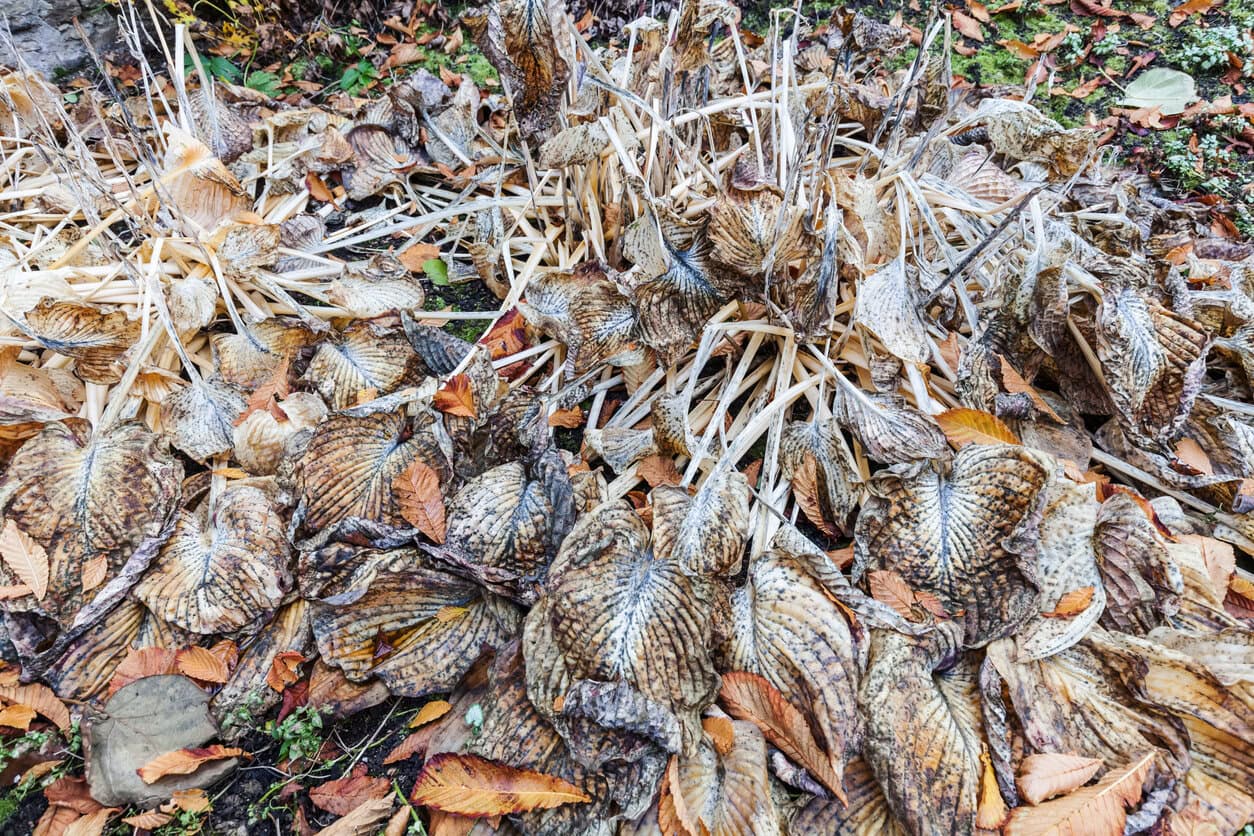
With the first hard freeze, hostas transform into a sludge. I remove this mushy debris as soon as I can. Slugs get overly excited at the sight of dead Hosta leaves.
Clearing the area removes their winter hiding spots and keeps spring shoots hole-free. I learned this after a 2022 Great Slug Invasion that turned my garden into Swiss cheese. I still sigh at the memory.
Quick tip: Bag or remove hosta debris rather than composting it nearby. Otherwise you’ll be surprised at how slugs are excellent at finding their way back.
We go into more detail about cleanup timing and leaf removal in this guide on how to trim back messy hosta leaves without stressing the plant. If slugs are a recurring problem in your garden, I also shared several natural ways to keep them under control without reaching for chemicals.
4: Bee Balm

Monarda is a magnet for powdery mildew in my climate (similar to the coastal hills of California). Because of that, I cut these stems right down to the ground in late winter.
Since the plant expands via underground runners, old stalks don’t offer much benefit once the season is over. Removing them helps improve airflow, so your patch stays healthier rather than fuzzy and grey.
5: Russian Sage

I cut my Russian sage back to about six inches every February. In my experience, the old wood simply can’t support the weight of those heavy purple flowers. Skipping a hard prune almost guarantees a floppy plant by mid-summer.
A firm cut in late winter encourages a thick, structural base for the new silver growth. Take the loppers to it before the sap moves. A short stub in late winter beats wrestling with a sagging plant later in the season.
Quick tip: Make your cuts before new growth appears. If you see fresh shoots at the base, stop cutting and let the plant take it from there.
If you’re pruning more than just perennials, I also put together a list of shrubs you can safely prune before spring growth starts.
6: Butterfly Bush

My Buddleia can reach easily ten feet in a single season if I let it. Because of that, I cut mine back to about 18 inches every late winter, without remorse.
How big is yours? If it’s taken over most of the backyard and still isn’t flowering much, don’t worry. You’re not doing anything wrong. That because a hard cut actually encourages stronger growth and much larger flower spikes once the season gets going.
Even when kept smaller, it still attracts plenty of butterflies. Just without sprawling over the lawn or swallowing the tool shed, patio, or dog.
7: Asparagus

In late winter, asparagus fronds are brittle, it has stored all the energy it needs for spring, and anything more than a couple of inches above the soil is just dead weight.
Clearing the old growth also removes overwintering spots for asparagus beetles. And if you can’t have winter vacation, then asparagus beetles can’t have it either.
I wait until its foliage fully turns brown before pruning. Cutting while the stems are still green is an in-fern-al mistake, it can weaken the plant and reduce next year’s harvest.
Quick tip: After cutting back, I like to spread a thick layer of compost or straw over the bed. It protects the crowns, improves soil structure, and gives the plants a head start once growth resumes.
If you want to know more plants that need pruning, I wrote another guide on plants you should cut back before March. This focus on the ones that really struggle if you wait too long.
And Those Sticking to Their Roots
Some plants prefer to stay grounded and leaf their baggage for later. I’ve learned that keeping their stems and seed heads in place through winter can protect new growth, support wildlife, and make early spring care much easier.
1: Coneflowers
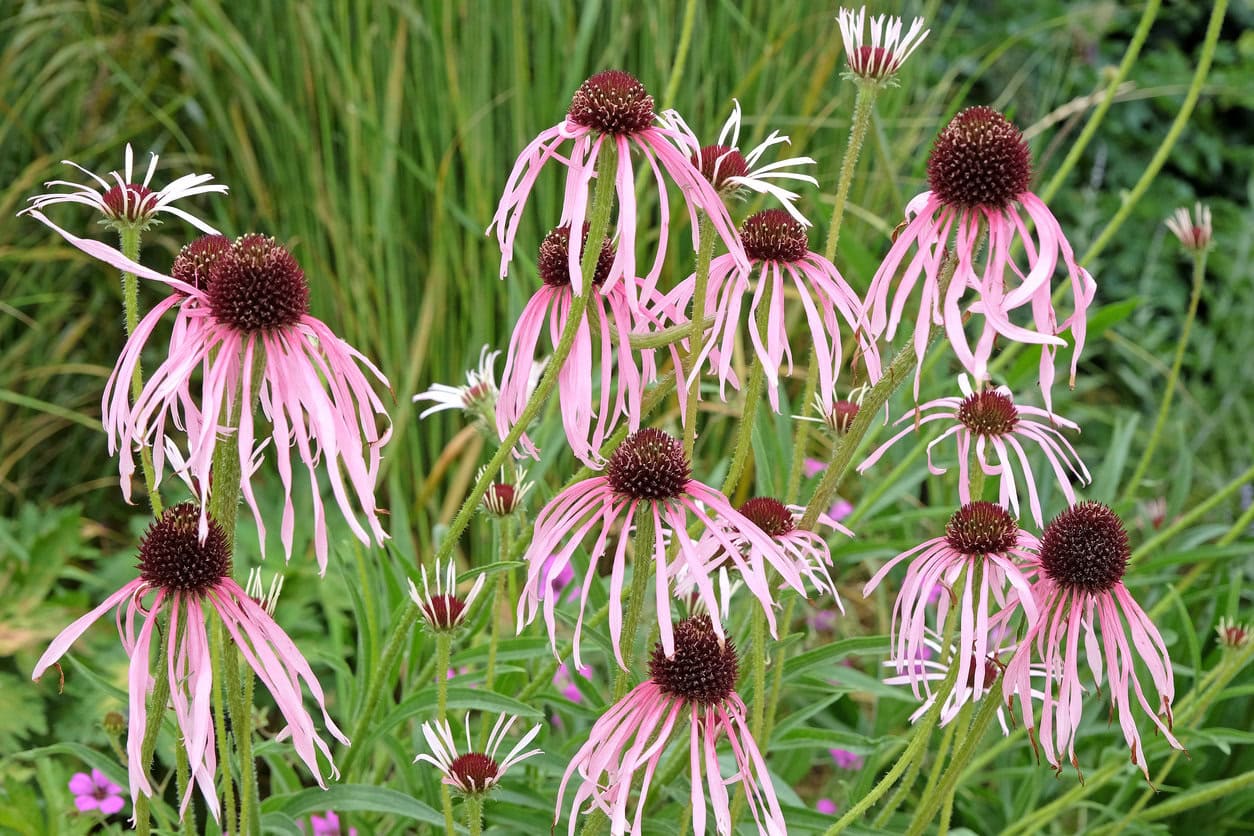
I treat coneflower seed heads like nature’s version of a high-calorie snack bar and built-in bird feeders. I watch Goldfinches cling to these spiky globes and pick out seeds all winter long.
I leave these standing until I see new green leaves emerging at the base in spring. Waiting a little longer saves me money on birdseed and supports local birds when food is scarce. Unless you want to spend a fortune on birdseed.
2: Joe Pye Weed
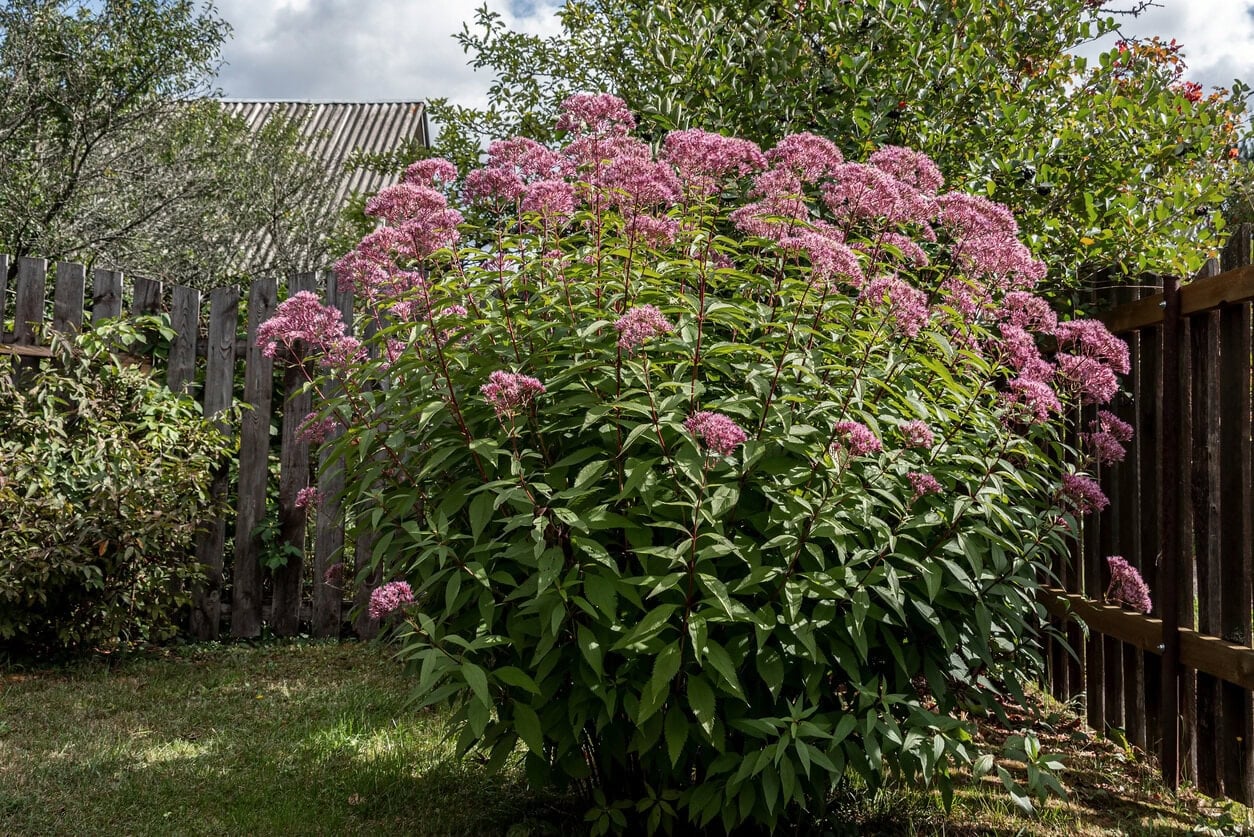
The hollow stalks of my Joe Pye Weed double as winter shelters for solitary bees. I leave at least 2 feet of stalk standing. This keeps my local pollinators out of the compost pile and in the garden where they belong. It’s like my version of organic hospitality.
3: Sedum

By February, stonecrop flower heads usually look a bit stale and start to flop over like a tired hiker. I snip these stalks right down to the base, but watch your step! Slow down and look closely first.
If you check at soil level, you’ll see small, cabbage-like rosettes already forming there. This is your plant’s future. I use my pruners to clear away the woody stems and give these little green sprouts some breathing room.
Quick tip: Cut carefully and avoid pulling or twisting the old stems. The new rosettes break easily if they’re disturbed.
4: Hellebores
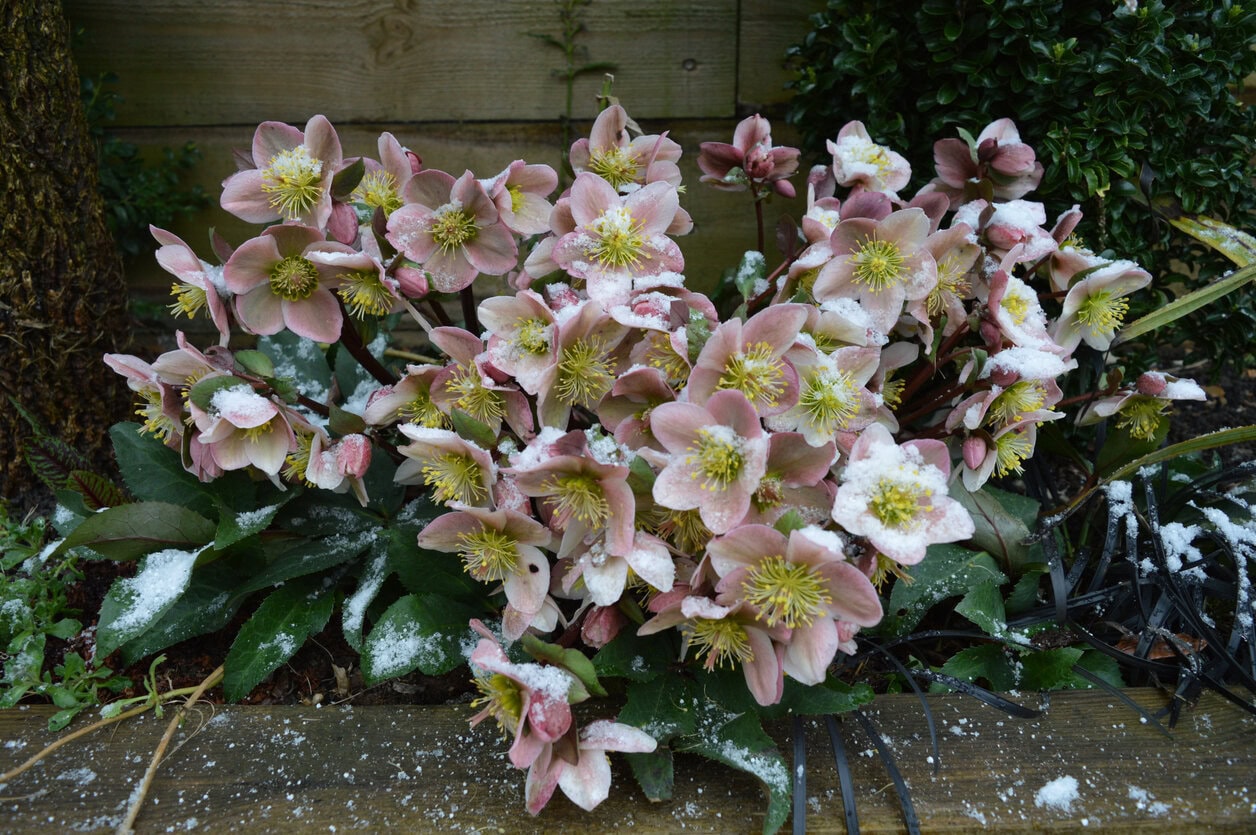
My hellebores are already hard at work by late winter. I leave the old, tired-looking leaves in place until I see flower buds pushing up through the mulch.
This beat-up foliage is shielding the tender blooms from cold winds and late frosts that turn soft petals into dry parchment. Once the flowers actually show up, I cut away the leaves to let the real stars shine.
5: Lavender
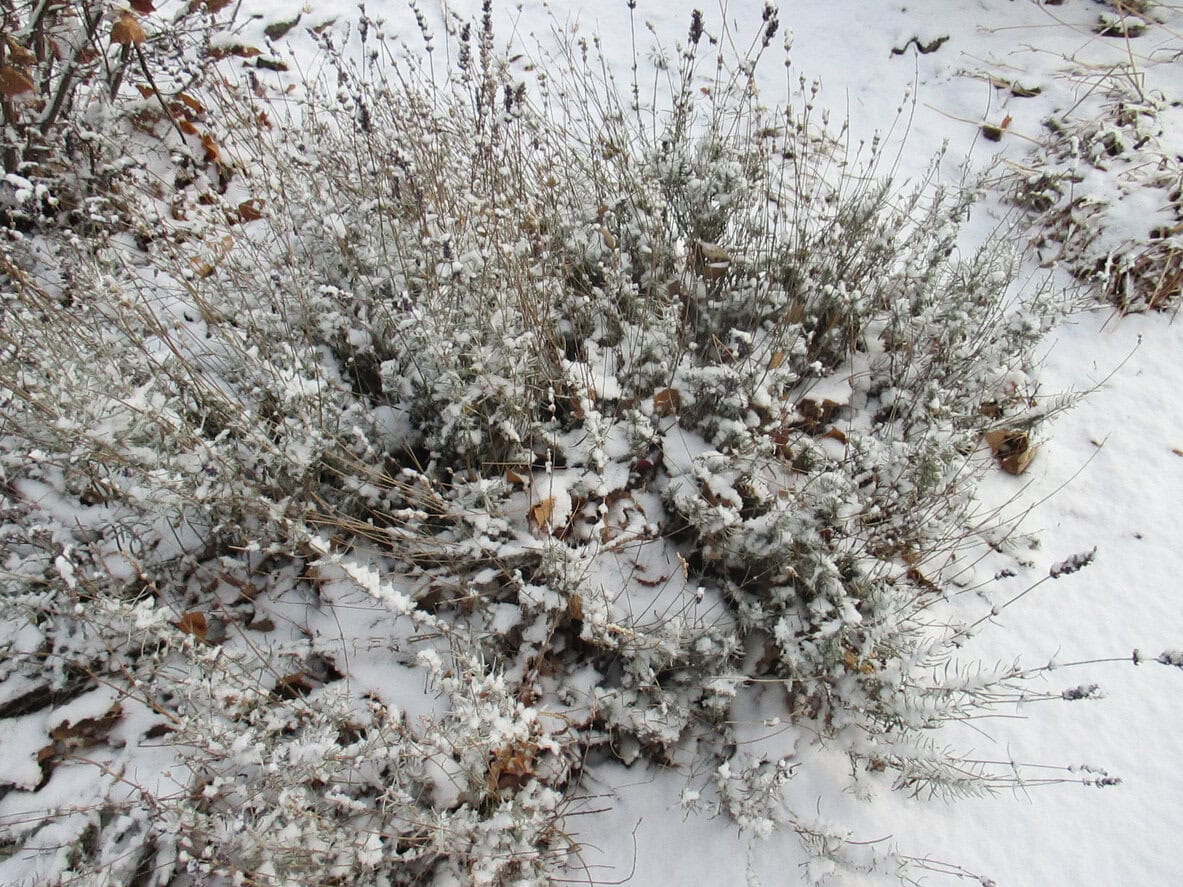
I never prune my Lavender in late winter. Cutting into old wood during a cold snap is a death sentence for this Mediterranean native.
It’s safer to leave the grey foliage as a silver shield against the frost. I always wait until I see green growth in April before I even think about shaping it.
If you want to know more about which plants to leave alone now, I share a few more on this guide on perennials you should not cut back in February.
Sharp Decisions

Deciding what to cut back doesn’t have to be complicated. Clear the debris to ruin a slug’s day, but leaving select stems for the local bee-n-bees and protecting new growth. Plan your pruning wisely, because the sap and the seasons wait for no one.
Thoughtful pruning now makes spring easier and the garden healthier overall. Pay attention to timing, watch for new growth, and make your cuts with intention. The seasons move quickly, whether we’re ready or not.

Hey there! I’m Dragana, an ecologist with a serious soft spot for soil and the magic that sprouts from it. My Adriatic garden is a bit of a wild bunch: aromatic herbs and roses doing their fragrant thing, juicy fruits and stubborn olive trees with a Mediterranean attitude. I’m here to unearth gardening wonders; are you ready to dig in with me?