The Easiest Way To Prune Pepper Plants For A Higher Yield
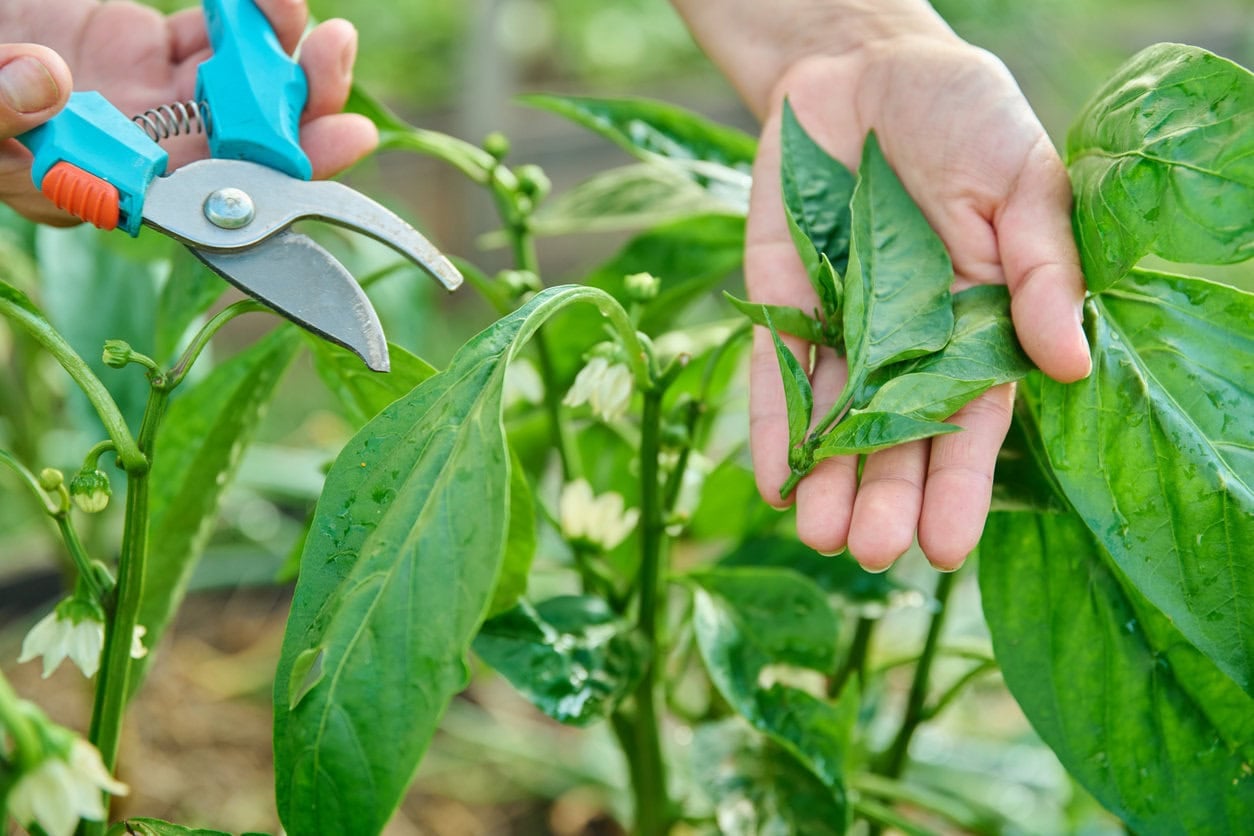
Do you ever feel like your pepper yield drops a little every time you prune? Yeah… I dealt with the same thing when I first started growing peppers.
What I’ve noticed over the years is that pruning can be really helpful, but only when it’s done at the right time and in the right way!
In this article, I’ll walk you through the simple pruning approach that’s worked best for me so you can get healthier plants and bigger pepper harvests. Let’s jump right in!
Do I Really Need To Prune Pepper Plants?
Cutting back your pepper plants might sound a little counterproductive, especially if they’re already not producing much. I totally get that! I used to hesitate every time I reached for the pruners.
But in many cases, light pruning can actually help pepper plants grow stronger, especially when it’s done at the right time and not too aggressively. From what I’ve noticed in my own garden, a few small trims:
- Encourage bushier, more balanced growth
- Improve airflow around the plant
- Support better fruit production over time
- Reduce the risk of fungal or bacterial problems (especially when plants were growing close together or humidity was high)
And if your plant isn’t producing well for other reasons, we also put together an article on common pepper problems and the fastest ways to fix them, which can be really helpful.
What Parts Of The Plant Should You Prune?
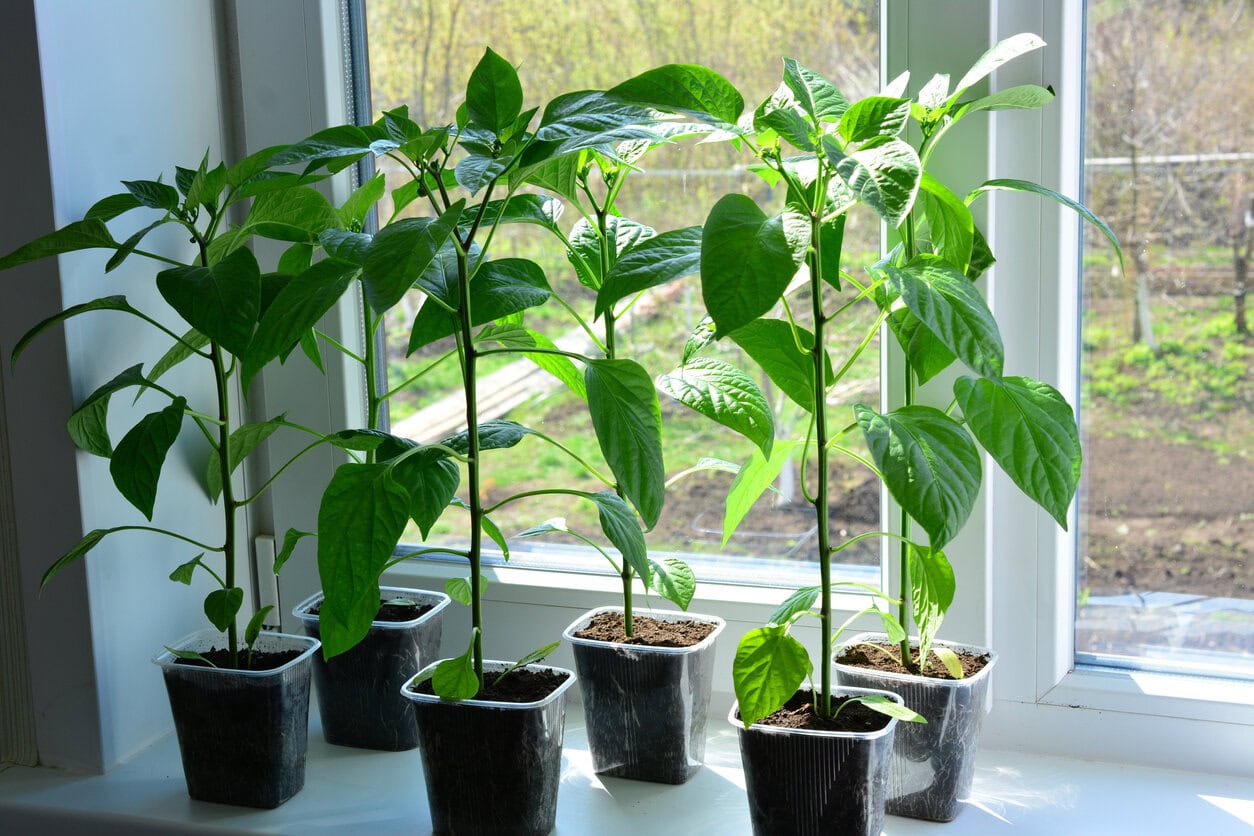
When pruning peppers, you don’t want to start chopping randomly. I like to focus on just a few key areas that actually help the plant grow healthier and produce better over time. Here are the main parts I pay attention to:
The Main Growing Tip (Early Pinch)
When the plant is still small, you can pinch off the very top growth point to encourage branching and a bushier shape. In my experience, this is one of the easiest ways to help pepper plants grow fuller instead of tall and spindly.
Early Flowers (Only If Needed)
This one can feel a little extreme, but in some cases, removing the first few blooms can help the plant focus on root and leafy growth before fruiting. If your pepper plant looks strong and healthy, you can usually let it flower naturally.
Personally, I only do this if the plant is still small, struggling, or putting out flowers too early.
And if your pepper plant is flowering but the blooms keep falling off, we wrote an article on why peppers drop flowers (and how to stop it) that goes deeper into that issue.
Lower Leaves And Small Suckers
I also focus on trimming leaves that are touching the soil or crowding the base of the plant. This improves airflow and can lower the risk of fungal problems, especially during wet or humid weather.
Quick note: Pruning isn’t some magic trick that instantly doubles your harvest. But these small cuts can help your pepper plants grow healthier and bushier, which often leads to more flowers and a higher yield over time.
How To Prune Pepper Plants Properly: Easy Step-by-Step Guide!
Step 1: Use Clean, Sharp Tools
I mention this often, but it really can’t be emphasized enough: start with clean tools! Whenever I’m pruning anything, I always wipe down my scissors with rubbing alcohol first. It only takes a few seconds, but it helps prevent diseases from spreading between plants.
Step 2: Pinch The Top (Optional But Recommended)
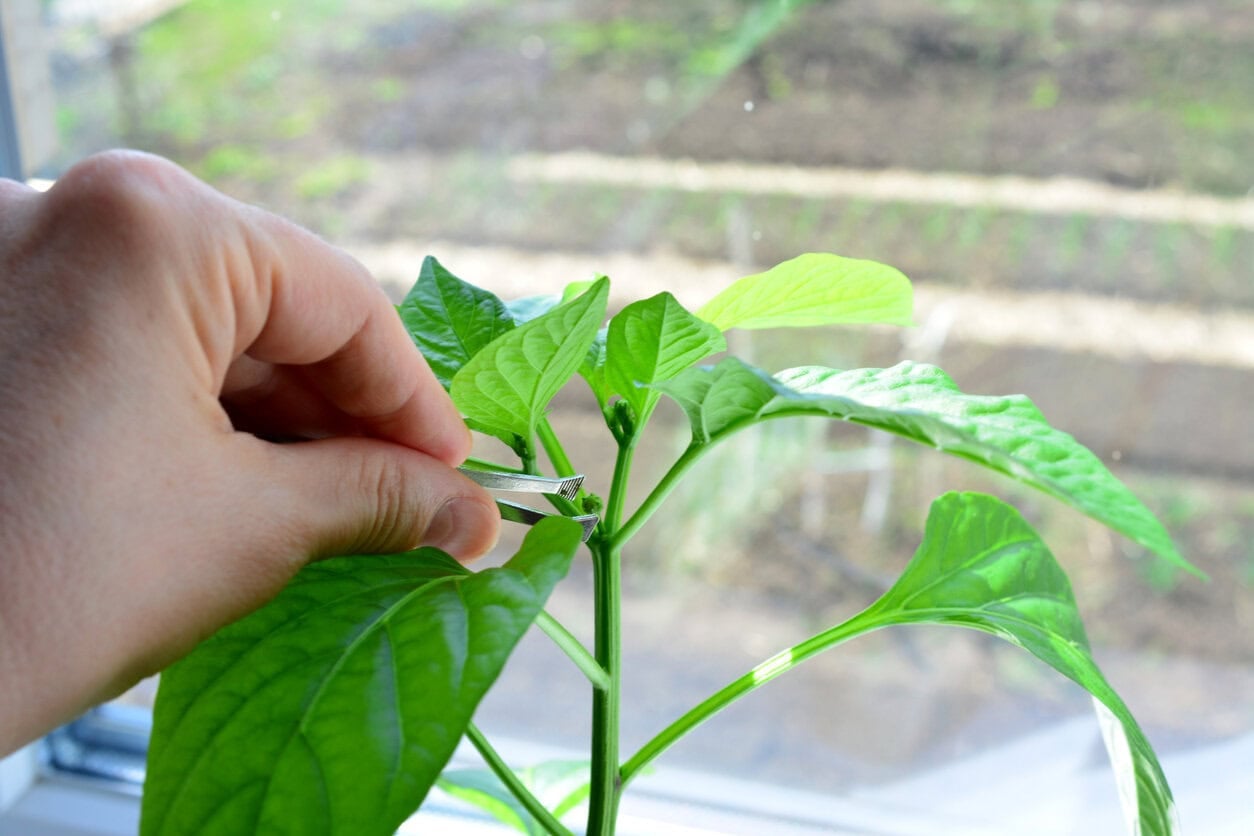
Once my pepper seedlings have around 5 true leaves (not just the first baby leaves) and are about 6-10 inches tall, I like to pinch off the very top growth point.
I’ve noticed this encourages the plant to branch out instead of growing tall and skinny. Again, this is totally optional and not something you have to do. But if you want a fuller, bushier plant with more potential flowering spots later, it can really help.
Quick tip: Around this same stage, I remove the very first flowers if the plant is still small.
If your plants are still small or struggling early on, we explain the most common issues in our guide on pepper seedling problems (with pictures).
Step 3: Clear The Base (Later In The Season)
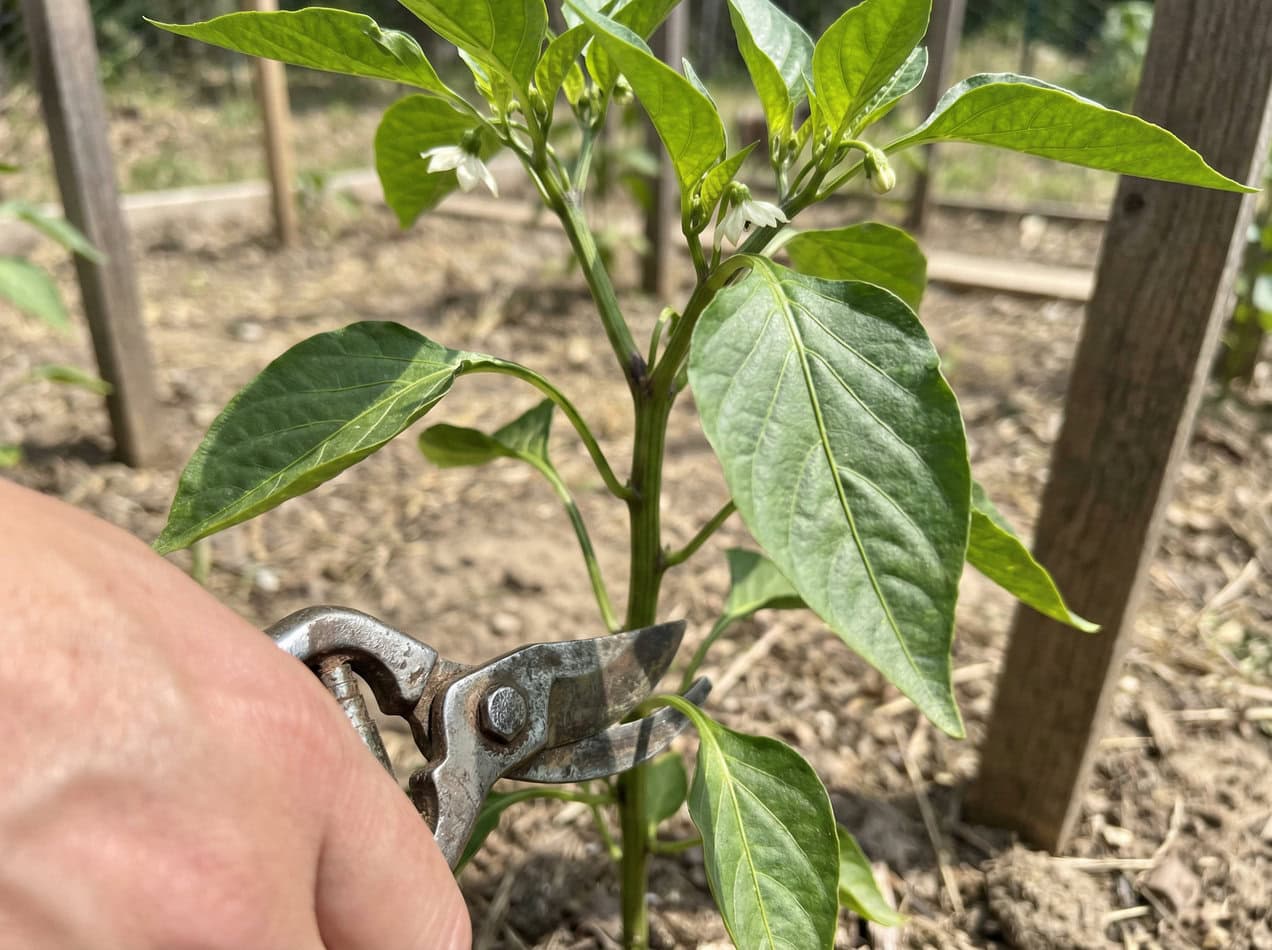
Later on, once the plant has grown larger, I shift my focus to the bottom. If I see leaves touching the soil (or getting splashed during watering), I snip them off and clear the lower 2-3 inches of growth. Only do this once the plant is strong and actively growing!
In my experience, this makes a big difference for airflow and helps prevent fungal problems, especially during humid summer weeks.
Quick note: Avoid heavy pruning too late in the season. Once you’re within 6-8 weeks of your first expected frost, the plant needs to focus on ripening fruit rather than pushing new growth.
Step 4: Maintain As Needed
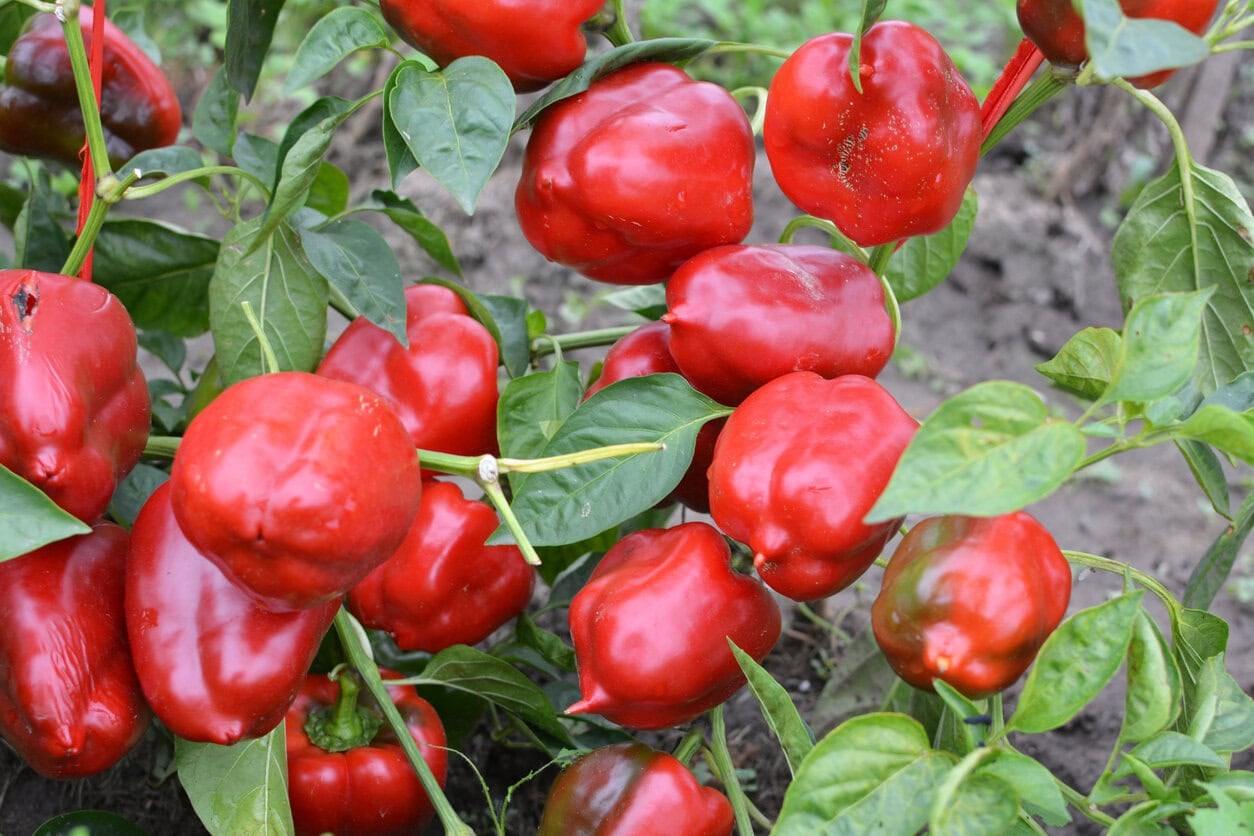
After that, pruning becomes more of a simple check-in than a big task.
Every week or two, I’ll remove any damaged leaves or overly crowded growth so the plant can keep putting energy into peppers instead of struggling to support unnecessary foliage.
One thing I’ve learned the hard way: don’t remove more than one-third of the plant at once! Peppers don’t love heavy pruning, and too much will actually slow them down.
For example, if you notice yellowing leaves, we explain what’s causing it and what to do in this guide on pepper plant leaves turning yellow.
These Pepper Varieties Respond Well To Pruning
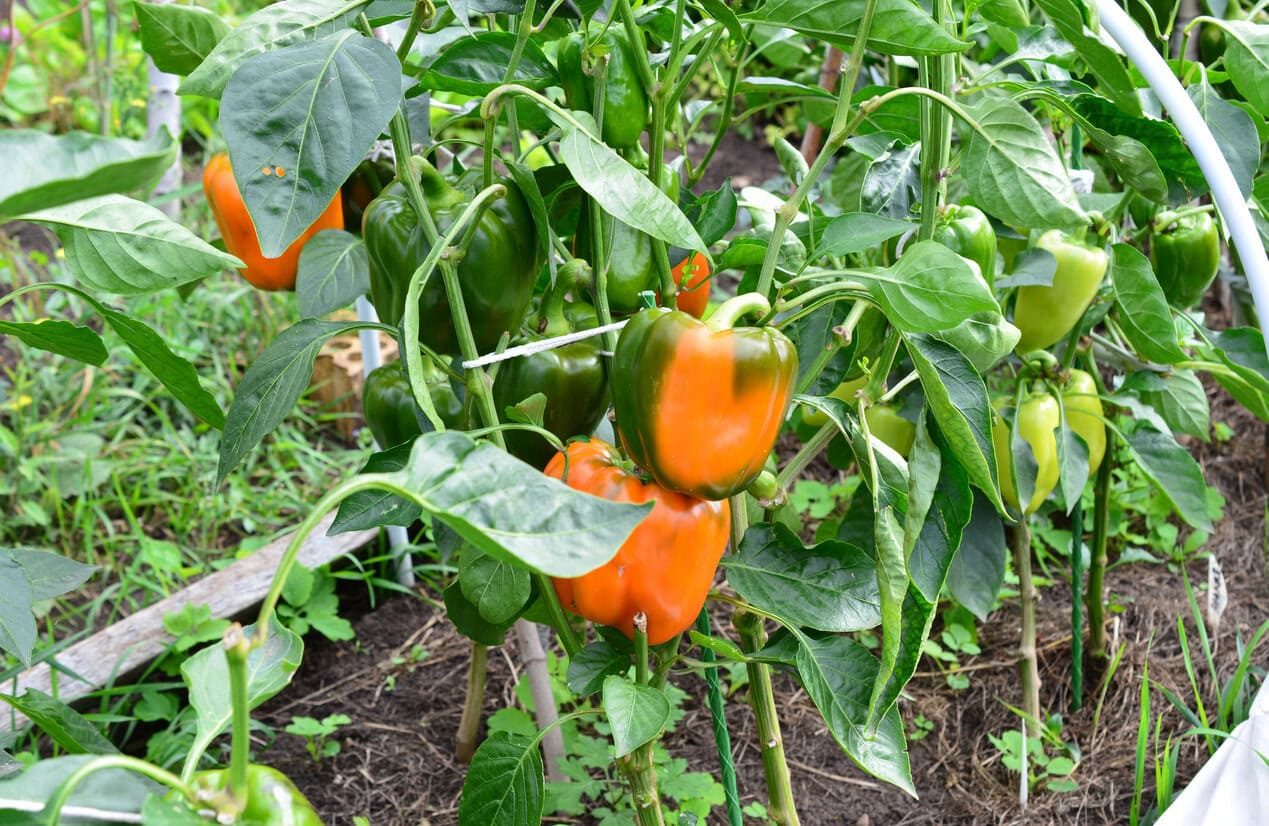
It’s worth keeping in mind, pruning isn’t really a one-size-fits-all rule. Different pepper varieties can respond very differently depending on how they grow.
Over the years, I’ve grown quite a few different types of peppers, and I’ve noticed that some varieties handle pruning much better than others. The ones I’ve personally had the best results with are:
- Bell peppers
- Jalapeños
- Banana peppers
- Cayenne (early topping only, heavy pruning isn’t usually necessary)
These types tend to bounce back quickly after a light trim and often grow into fuller, bushier plants.
Quick tip: Most common peppers respond well to light pruning, but it’s always best to start small and see how your plant reacts.
One other thing that’s helped my plants stay healthier is pairing them with the right neighbors. We share some great options in our guide on the best companion plants for peppers.
Don’t Overthink It, Just Prune Lightly
And if you’re still learning the basics of growing strong pepper plants, we also wrote a helpful tips on growing peppers outdoors (hot or sweet!) that’s a great place to start.
If pruning has ever felt confusing or like it lowered your yield, trust me… I’ve been there too. The good news is that pepper plants usually don’t need much. A few light trims at the right time can help them grow healthier, bushier, and more productive.
Start small, pay attention to how your plants respond, and you’ll get the hang of it quickly. Happy growing and good luck with your pepper harvest!

I’m Rita, passionate about flowers, plants and growing my own vegetables at home. I live in an apartment, but I still have my garden, I intend to use all my knowledge to help you also have a lively, happy and productive garden (even in an apartment).